
Last updated November 15, 2026
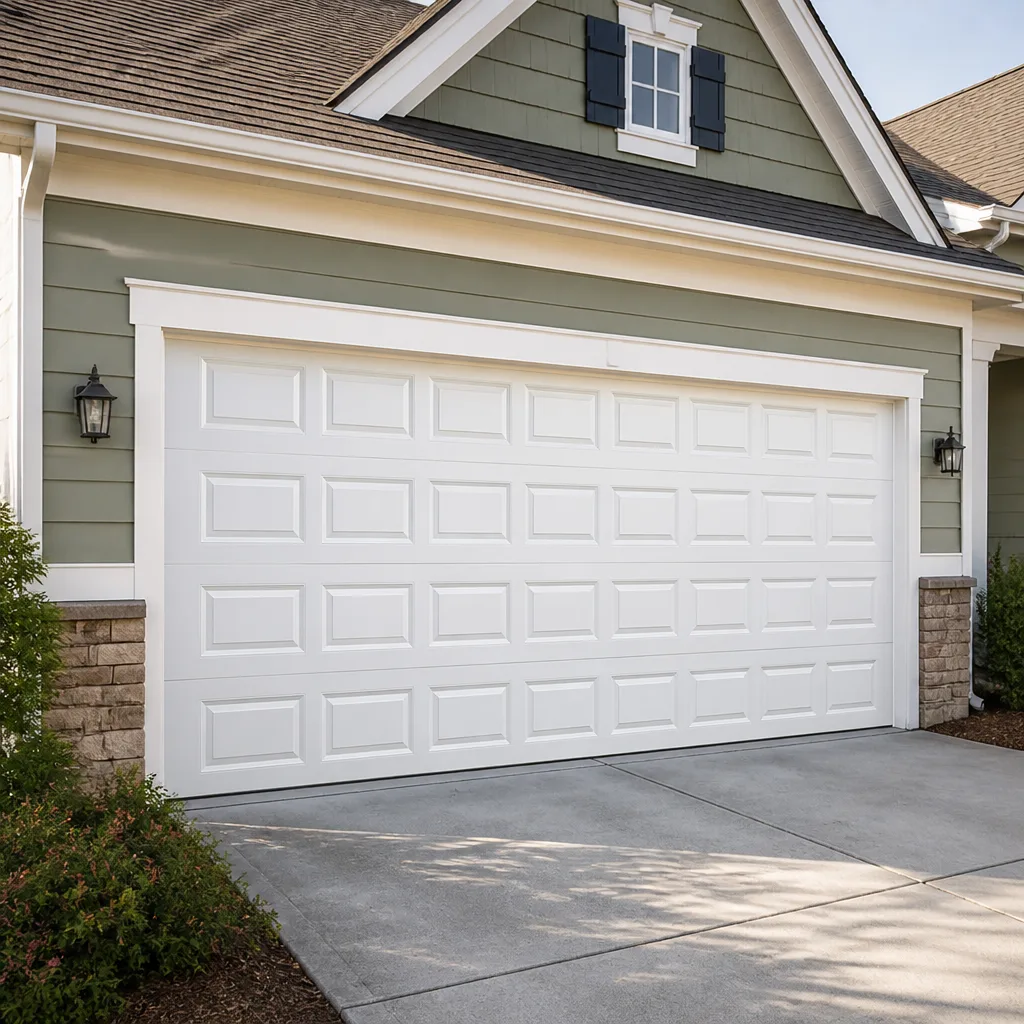 Raised-panel steel
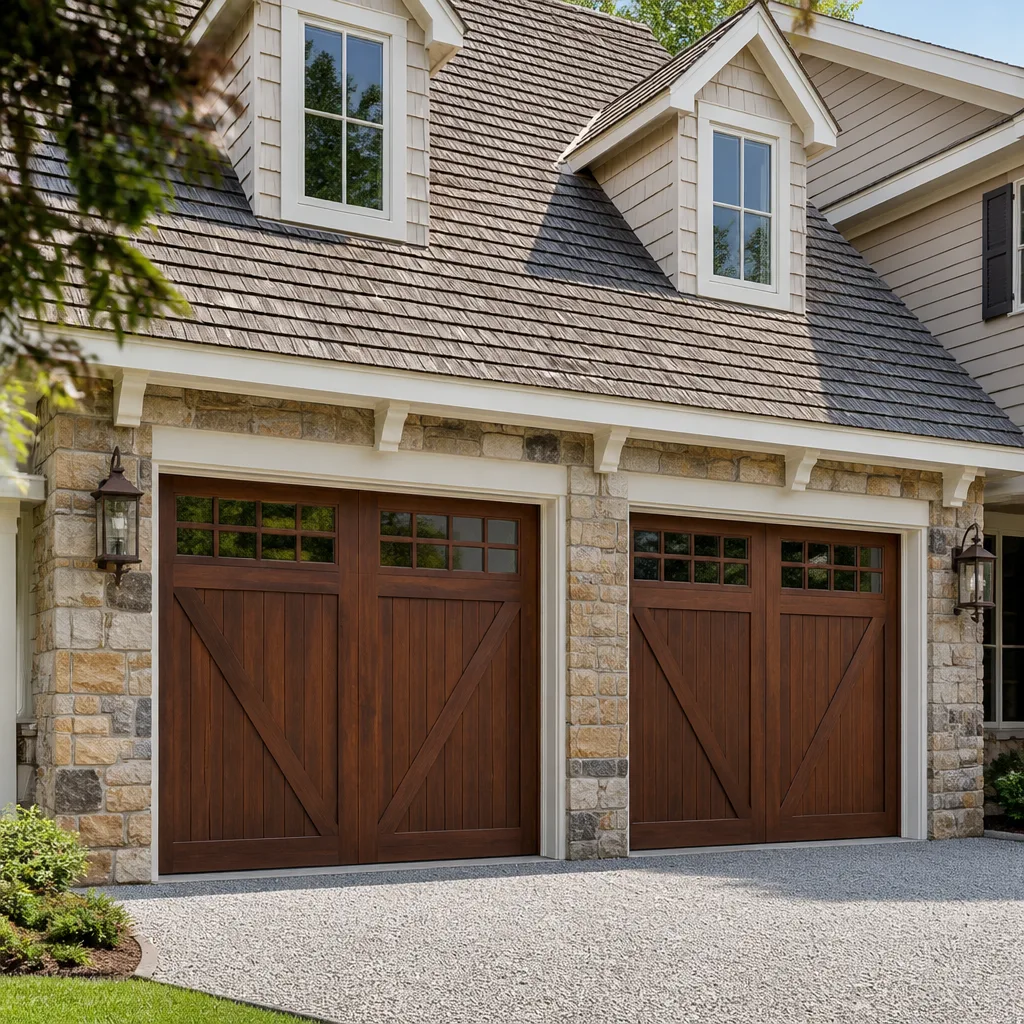 Carriage house
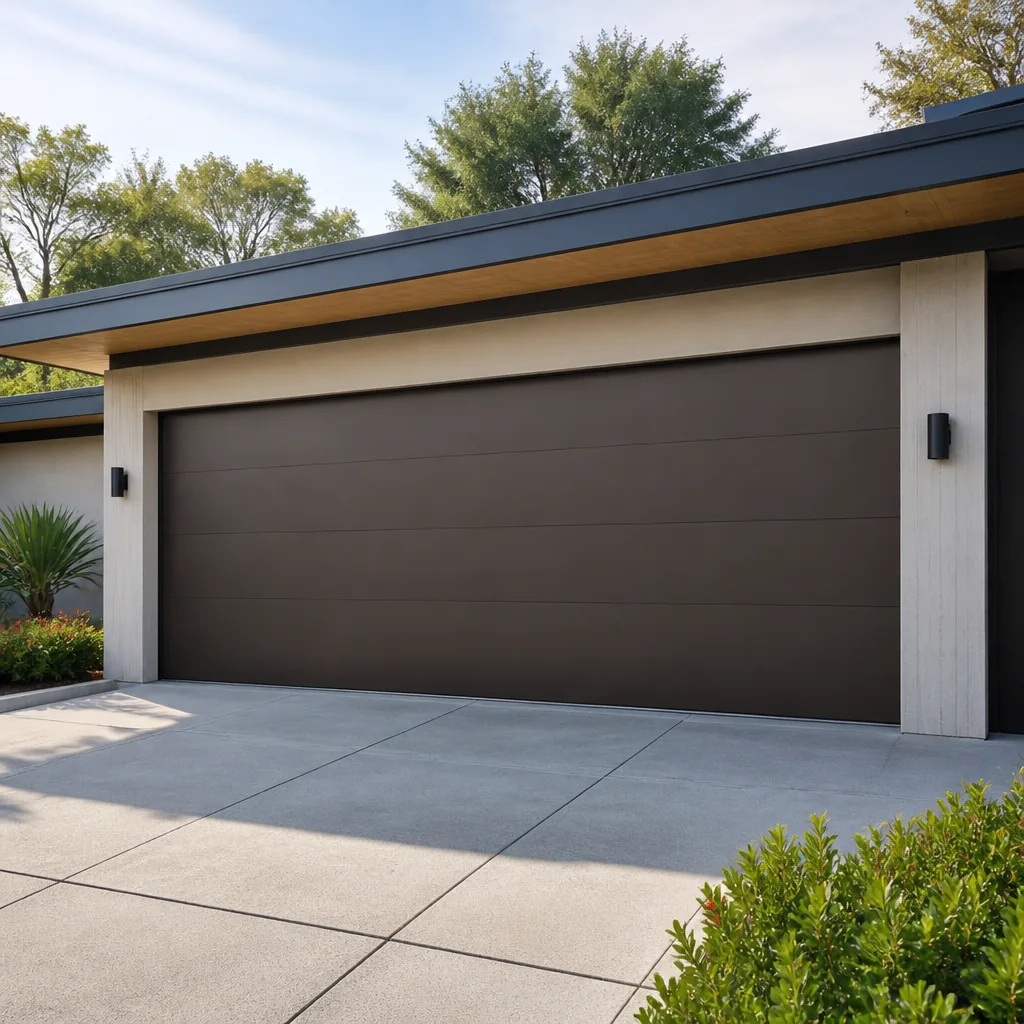 Modern flush
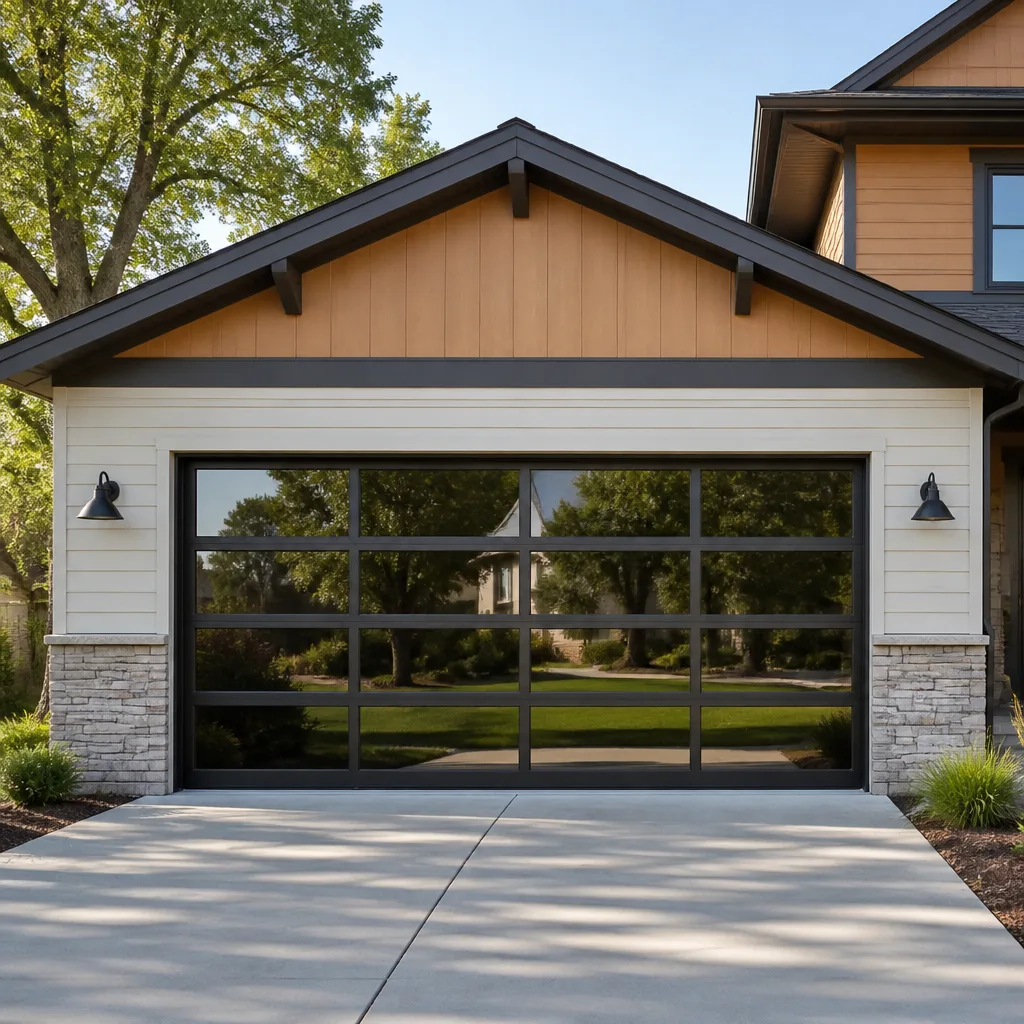 Full-view glass
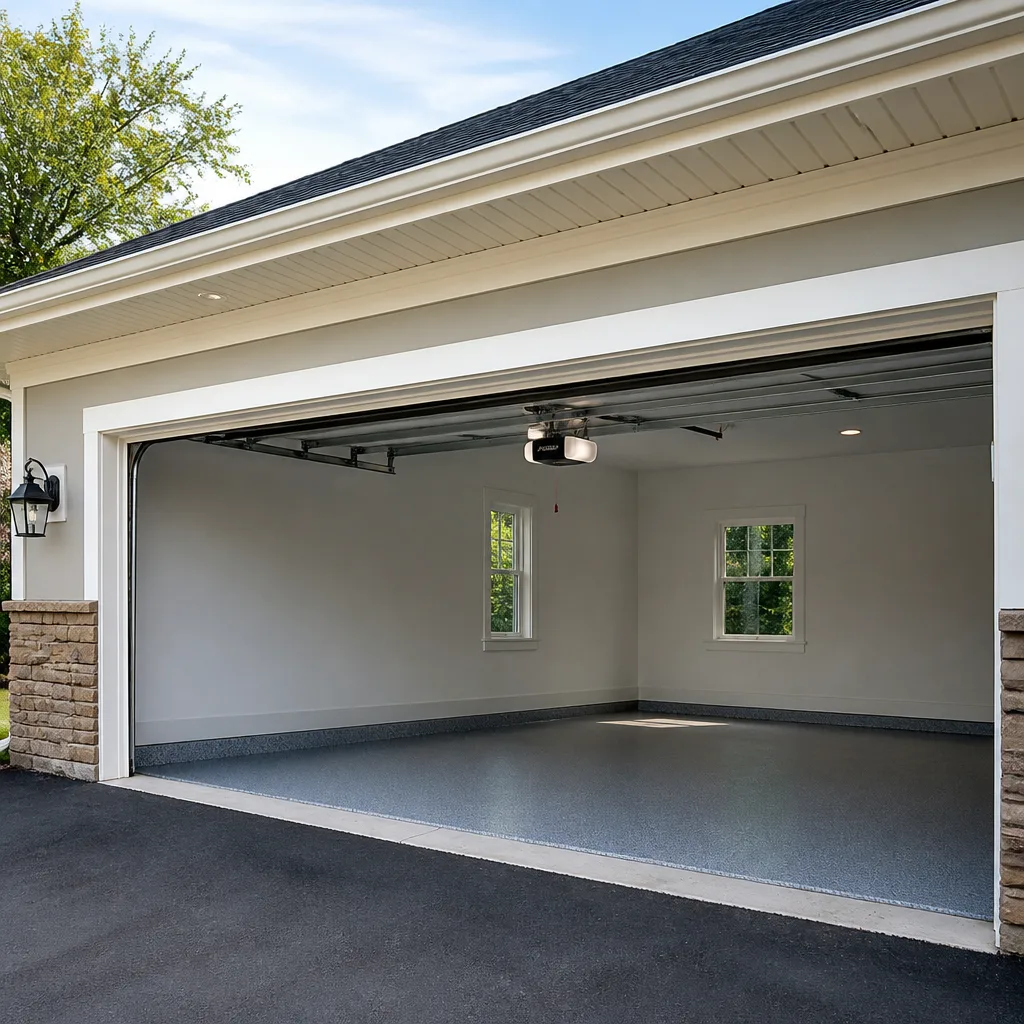 LiftMaster openers
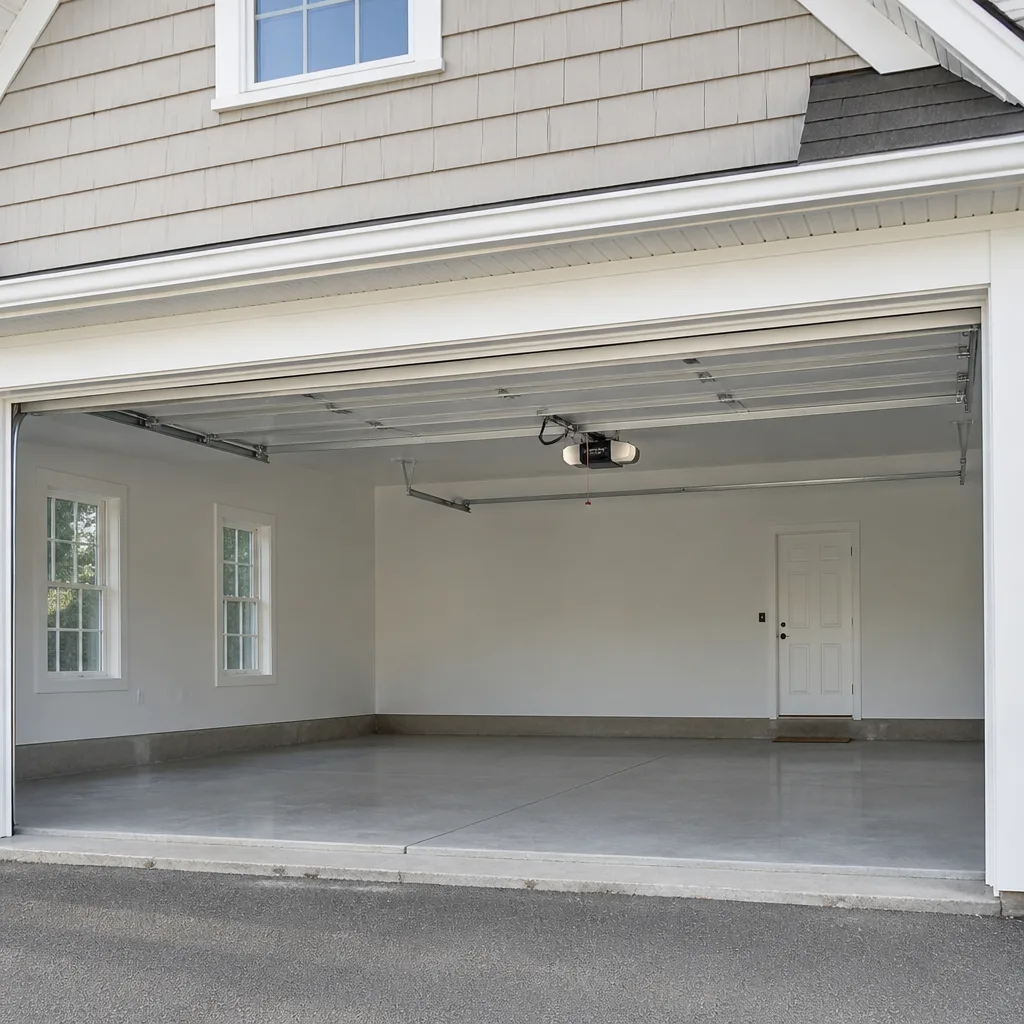 Chamberlain openers
Full 25-point door and opener safety check with every visit - springs, cables, rollers, tracks, and your LiftMaster or Chamberlain opener included
You get a price before we start. It does not change when the pro arrives.
Get your free estimateThe Complete Guide to Garage Doors in Charleston
Most homeowners replacing a garage door in Charleston use the same buying checklist they’d use in Ohio – and then wonder why their new door is rusting in two years or failed a wind-load inspection. The checklist isn’t wrong, exactly. It’s just built for a different place. Charleston adds three variables most guides never mention: an air that eats steel for breakfast, historic and HOA rules that decide what your door is even allowed to look like, and building codes written for hurricane country. This guide covers all three, plus how to read the system you already own before you spend a dime. We’ll walk through materials, spring and track checks, code basics, and what big-box shelves don’t tell you.
Styles & brands we work with
- Raised-panel steel
- Carriage house
- Modern flush
- Full-view glass
- LiftMaster openers
- Chamberlain openers
Quick Answer
A garage door in Charleston needs a corrosion-resistant material (aluminum or fiberglass over standard steel), a wind-load rating that matches your coastal zone, and a style the local historic district or HOA will actually approve. Before replacing, have the existing springs, tracks, and opener inspected so you don’t pay for a full system swap when only the door panel needs changing. That’s it in three sentences. The rest of this guide unpacks each piece.
Table of Contents
- Why Garage Doors Age Differently in Charleston
- Choosing a Material That Survives Here
- Neighborhood Rules: Daniel Island, South of Broad, and West Ashley
- South Carolina Wind-Load Requirements, Explained
- How to Read Your Existing Spring and Track System
- Big-Box Store vs. Multi-Brand Specialist
- Understanding the Major Opener Brands
- What Garage Door Work Typically Costs in Charleston
- Common Mistakes to Avoid
- When to Call a Professional
- Frequently Asked Questions
- The Bottom Line
Why Garage Doors Age Differently in Charleston
Charleston sits in a climate that’s gentle on people and hard on hardware. Warm, humid air keeps steel wet long after a rain ends. Summer heat expands and contracts metal panels, which loosens fasteners and works at seams. Pollen season coats tracks and rollers in a gritty film that turns into grinding wear if it isn’t cleared. And the region’s storm season puts real wind pressure on every door in the county.
The result? A door that would last comfortably in a dry climate can show rust spotting, sagging panels, and squealing rollers much sooner here. We see this play out across Charleston in predictable ways:
- Rust at the bottom section first. Ground moisture and splashback hit the lowest panel hardest, and that’s usually where we find the first corrosion on a steel door.
- Sticking rollers and hinges. Humidity plus pollen turns lubricant into paste. Doors get noisy before they get dangerous, so noise is your early warning.
- Wood components swelling. Wood-composite and wood-veneer doors can absorb moisture and distort if the finish fails. Paint and sealant upkeep matters more here than most homeowners expect.
- Opener strain. When a door gets heavier from moisture or misalignment, the opener works harder. Motors that should last get pushed toward early failure.
- Wind-load wear. Repeated storm seasons stress the track anchors and the door’s reinforcement. Loose brackets are worth checking before the next named storm.
None of this means a Charleston door is doomed. It means the material choice, the finish, and the maintenance rhythm all matter more than they would inland. The next section breaks down which materials hold up best.
Choosing a Material That Survives Here
Material selection is the single biggest decision affecting how long your door lasts in Charleston. Each option trades cost, weight, maintenance, and corrosion resistance differently.
Steel
Steel is the most common door material in the country, and it’s affordable and strong. But standard steel panels are the most vulnerable to humidity-driven rust, especially the bottom section. If you go steel here, insist on a galvanized or hot-dipped substrate and a factory finish, and plan to touch up any scratch promptly. It’s a reasonable budget choice for an inland or well-shaded garage, less so for a door that faces the weather.
Aluminum
Aluminum resists corrosion far better than standard steel and weighs less, which eases opener load. That makes it a strong fit for Charleston’s humid climate. The trade-off: aluminum dents more easily than steel, so it’s a poor pick if kids, bikes, or basketballs share the driveway. Look for a heavier-gauge aluminum with a baked-on finish.
Wood Composite
Wood-composite doors give you the look of painted wood without the full upkeep of solid wood, and they suit the historic aesthetic in older neighborhoods. They’re heavier and they demand consistent sealing here. If the finish fails, moisture gets in. Choose this material for looks first, maintenance second, and accept that it needs attention.
Fiberglass
Fiberglass won’t rust, won’t dent easily, and holds a finish well. It’s a solid performer in humid air. It’s less common in higher-end styles, but for a functional, low-corrosion door it’s an underrated option in Charleston. Confirm the frame and hardware are equally corrosion-resistant, since the weak point moves to the fasteners.
One general rule across all four: the hardware (hinges, rollers, fasteners) often fails before the panel does. A corrosion-resistant panel paired with cheap hinges still rusts at the joints. Ask about the hardware as part of the same conversation.
Neighborhood Rules: Daniel Island, South of Broad, and West Ashley
What your door is allowed to look like depends heavily on where in Charleston you live. Three areas come up often, and each has a different set of considerations.
Daniel Island
Daniel Island is governed by an HOA with design guidelines that typically cover door color, style, and material. Before you order anything, pull the architectural guidelines for your section of the island. A door your neighbor has isn’t a guarantee yours is approved; sections can differ. Submit your proposed door for review early, because approval can take weeks and a door that’s already installed and non-compliant is an expensive problem to undo.
South of Broad
A big share of South of Broad sits within a historic district, and the city’s Board of Architectural Review reviews exterior changes visible from the street. That means style, color, panel design, and window configuration may all need approval. Historic districts exist to protect the character of the neighborhood, and they take that seriously. A generic raised-panel door in a modern color is likely to be rejected. Wood-look and carriage-house styles tend to fit the aesthetic better. Get your approvals in writing before you commit to a purchase.
West Ashley
West Ashley is more varied. Some subdivisions have active HOAs with their own guidelines; older stretches may have no formal restriction beyond city code. The lesson is the same: call your HOA or check your deed restrictions first. Even a neighborhood without strict rules benefits from a style that fits the street.
Across all three areas, the most common mistake is buying the door before checking the rules. Verify first, then shop. It sounds obvious. It’s the mistake we hear about most in Charleston.
South Carolina Wind-Load Requirements, Explained
Garage doors in coastal South Carolina are treated as opening protectors in hurricane-zone construction. The large, light garage door is one of the weaker points of a home’s envelope, so local code cares about how it performs under wind pressure. Here’s what the terms mean in practice, without getting lost in the code book.
- Wind-load rating. This is the pressure, positive and negative, a door and its anchoring system are designed to withstand. Coastal areas demand higher ratings than inland ones. Your rating needs to match the zone your house is in.
- Design pressure (DP). Doors are rated by a design-pressure number. A higher DP means a stronger door. Your building department can tell you what DP your location requires.
- HVHZ-rated. HVHZ stands for High-Velocity Hurricane Zone. An HVHZ rating is the toughest wind standard. Miami-Dade and parts of coastal Florida use it most, and it shows up as a benchmark for serious storm-rated products. Not every Charleston door needs an HVHZ label, but the term is shorthand for a product built to survive severe wind.
- Reinforcement and anchoring. The door panel is only half of it. Brackets, tracks, and how everything is fastened to the framing determine whether the assembly holds in a storm. A great door on weak anchors is a weak door.
How to Confirm What Your House Needs
- Ask your city’s building department what wind-load or design-pressure rating applies to your address. They have the map and the answer.
- Note whether your home sits in a special wind zone. The answer changes by location and sometimes by structure.
- Request the product’s rated design pressure from anyone quoting you a door. It should meet or exceed your requirement.
- Confirm the install method reinforces the door and anchors. Ask how the brackets attach to the wall framing.
Never accept “this is a good door” as an answer on wind. Ask for the rating number and match it to what your building department told you. If you’re unsure whether your current door meets the requirement, a professional inspection can check the anchoring and identify weak points.
How to Read Your Existing Spring and Track System
Before buying a new door, understand what you already have. Many Charleston homeowners replace an entire system when only the panel or the springs needed attention, and that’s money left on the table. Here’s how a professional reads your current setup, and what you can note yourself before scheduling a visit.
What a Pro Checks
- Spring type and health. Torsion springs mount on a bar above the door; extension springs run along the sides. Check for gaps, stretch, or a door that feels abnormally heavy to lift manually. Springs are the most dangerous part of the system, so leave replacement to someone trained for it.
- Track alignment. Out-of-line tracks squeal and wear rollers. Look for dents, bends, or visible spacing between the roller and the track edge.
- Panel condition. Is the corrosion or damage limited to the bottom section, or is the whole panel set compromised? A single-section replacement is far cheaper than a full door if the rest is sound.
- Hardware and rollers. Worn rollers and hinges cause most noise and strain. These are cheap to replace and restore a lot of smoothness.
- Opener condition. Age, motor noise, reversing safety, and force settings. A healthy door can often keep its existing operator; a struggling one shouldn’t be paired with a heavier new door without an upgrade.
- Anchoring and wind reinforcement. Especially in Charleston, confirm the brackets and tracks are solidly attached.
If the door panels are sound and only the springs or the opener are failing, that’s a repair, not a replacement. If the bottom section is rusting through and the rest is close behind, a new door makes more sense. Getting that call right is where a focused garage door specialist earns their keep. We do full garage door repair and can tell you honestly which side of that line your door is on.
Big-Box Store vs. Multi-Brand Specialist
Big-box stores are convenient. They sell doors, openers, and some hardware, and the prices look appealing. But what they stock is chosen for a national market, not for a humid, storm-prone, HOA-governed city. That difference shows up in four ways.
- Material for the climate. A big-box steel door chosen for dry-inland price points is the wrong pick for Charleston’s humidity. A local specialist stocks products chosen for corrosion resistance and storm ratings.
- Brand coverage. Chain stores tend to stock one or two opener brands. If you have a Chamberlain, a Genie, a Clopay, or an Amarr system, a specialist who knows those brands can service and match what you own instead of steering you to whatever the shelf carries.
- Install quality. A door is only as good as its anchoring, spring balance, and track alignment. The most common failure point in a box-store door is the installation, not the panel.
- Accountability. When something goes wrong, who do you call? A local specialist stands behind the work because the work is all they do.
This is the heart of why we operate the way we do at Loyal Garage Door Service. We work on what you already have, whether that’s a common box-store brand or a less common system. The name is a promise: we come back if something’s not right.
Understanding the Major Opener Brands
Garage door openers aren’t interchangeable, and service quality depends on knowing the specific system in your garage. We work across the major brands: LiftMaster, Chamberlain, Genie, Clopay, Amarr, Wayne Dalton, Craftsman, and Raynor. Here’s what that means for you.
- Chamberlain and LiftMaster. Two of the most common residential openers. Modern models include smart-home features that let you check and open the door from your phone. The myQ app is a common feature on current LiftMaster and Chamberlain units, and knowing how it behaves on an older model saves a lot of troubleshooting guesswork.
- Genie. Widespread on older homes, with a different drive system in some models. Service means knowing how that specific drive wears.
- Craftsman. A legacy brand common in homes built across multiple decades. Replacement parts and compatibility require a specialist who knows the older units.
- Clopay and Amarr. Two of the most widely installed door manufacturers. Matching styles, panels, and sections requires knowing each manufacturer’s lineup and finishes, especially for coastal durability.
- Wayne Dalton and Raynor. Less common systems that a generalist may not recognize. We service them rather than steering you away.
Why does brand fluency matter? Because an opener symptom on a Genie can point to a different fix than the same symptom on a Chamberlain. A specialist who works across all of them can diagnose the actual problem instead of guessing. When a new door or opener is the right call, we do garage door opener repair and installation for all of these systems under one company. One call covers the door, the hardware, and the operator. Our technicians have up to experience across these brands.
What Garage Door Work Typically Costs in Charleston
Costs vary by door size, material, brand, and the condition of your track and springs, but here are typical estimated ranges for the most common jobs in Charleston. These are estimates, not quotes: the written estimate you receive sets the final price, and we always quote and agree on the price before any work starts.
| Job | Typical Estimated Range |
|---|---|
| Single spring replacement | $180-$340 (per spring; a matched pair is usually replaced together and runs about double) |
| Panel replacement (single section) | Depends on door and brand; confirm with the estimate |
| Opener repair | Depends on the fault; small parts and adjustments cost less than a motor replacement |
| Opener replacement | Varies by brand, drive type, and smart features |
| New door installation | Quoted per door after a free measure, based on material, size, and wind rating |
Two things we hear often: “Will the price change once you see it?” and “Are the technicians licensed and insured?” On the first, the written estimate is the price. If we find something not visible on the first look that changes the scope, we tell you before we touch it. Nothing is added without your agreement. On the second, yes: our technicians are licensed and insured, and we can answer your questions about credentials before you book.
For a door replacement or a new opener, that work is measured, ordered, and scheduled. It isn’t a same-day fix, because the right door has to be matched to your material, style, and wind-load requirement first. That’s why we start with a free measure and a written price rather than a promise. Call (855) 745-6192 for an exact quote. Estimates are free.
Common Mistakes to Avoid
- Buying the door before checking HOA and historic rules. Ordering a door that the HOA or historic commission rejects means paying twice. Get approval in writing before you buy.
- Choosing a standard steel door for a humid spot. A cheaper steel door can be the right call inland, but in Charleston’s climate the bottom section rusts first. Match the material to the place.
- Ignoring the wind-load requirement. A door that doesn’t meet the design pressure for your zone fails inspection and is a liability in a storm. Ask for the rating number.
- Replacing the whole system when only springs or an opener failed. A sound panel set with failing springs needs a spring repair, not a full door. Get a diagnosis before you commit to replacement.
- Buying from a store that doesn’t know your brand. A cheaper door on the shelf is no bargain if it isn’t matched to your opener and your climate. Buy for the climate and the system.
- Skipping maintenance. Pollen and humidity grind down rollers and hinges faster here. A bit of cleaning and lubrication goes a long way.
- DIY spring work. Torsion and extension springs are under high tension. Attempting to replace one yourself is a genuine injury risk. Leave springs and cables to a trained professional.
When to Call a Professional
Some garage door issues are worth a call rather than a weekend project. Call a professional if you hear the door straining, groaning, or slamming; if the door reverses before it closes fully; if a spring looks stretched or you see a gap; if the opener’s motor runs but the door doesn’t move; if tracks are bent or binding; or if you’re planning a replacement or a new opener and want the material, style, and wind-load questions answered before you spend money. Springs and cables carry serious tension and are not a safe DIY repair, so anyone at any age should leave those to a trained technician. Loyal Garage Door Service offers free estimates in Charleston. Call (855) 745-6192. We answer 24/7.
Frequently Asked Questions
Look for three things: a corrosion-resistant material (aluminum or fiberglass over standard steel), a wind-load rating that matches your location’s requirement, and a style your HOA or historic district will approve. Charleston’s humidity and storm seasons make all three non-negotiable. Call (855) 745-6192 for an exact quote on a door built for this climate.
Yes. Daniel Island has HOA design guidelines, and much of South of Broad sits within a historic district reviewed by the city’s Board of Architectural Review. West Ashley varies by subdivision. Always get approval from your HOA or the historic commission before ordering a door. Call (855) 745-6192 for an exact quote on a compliant door.
It means the door and its anchoring system are designed to withstand a specific design pressure (DP) under wind. Coastal zones demand higher ratings than inland ones, and an HVHZ rating is the toughest storm standard. Ask your building department what DP applies to your address, then ask the door’s rating. Call (855) 745-6192 for help matching a door to your zone.
Often, yes. If the door panels are otherwise sound and only the springs, rollers, or the bottom section are failing, a repair is the right move and far cheaper than a full replacement. A professional diagnosis tells you which side of that line you’re on. Never attempt spring repair yourself, as they’re under high tension. Call (855) 745-6192 for an exact quote.
Exposure and material are usually the answer. A standard steel door on the sun and weather side rusts first at the bottom section, and older doors with weaker finishes go sooner. A corrosion-resistant material and prompt touch-up on scratches make a real difference here. Call (855) 745-6192 to discuss options.
Spring replacement typically runs $180-$340 per spring, and because the two springs in a matched pair are usually replaced together, a pair costs about double that. Other repairs depend on the part and the brand. The written estimate sets the final price, and we agree to it before any work starts. Call (855) 745-6192 for an exact quote. Estimates are free.
The Bottom Line
Garage door decisions in Charleston come down to three things generic guides skip: climate, code, and community rules. Pick a corrosion-resistant material for the humidity, confirm the wind-load rating matches your zone, and get your HOA or historic district approval in writing before you buy. Then read your existing spring, track, and opener system, because a lot of “replace the door” jobs are really “repair the springs” jobs. If you’d rather have someone who knows the local climate and the major brands look at it, call Loyal Garage Door Service at (855) 745-6192 for a free estimate. We answer 24/7. Fast dispatch from 7am to 7pm, Sunday through Friday, and we’re closed Saturday.
Written by the team at Loyal Garage Door Service.
See the difference
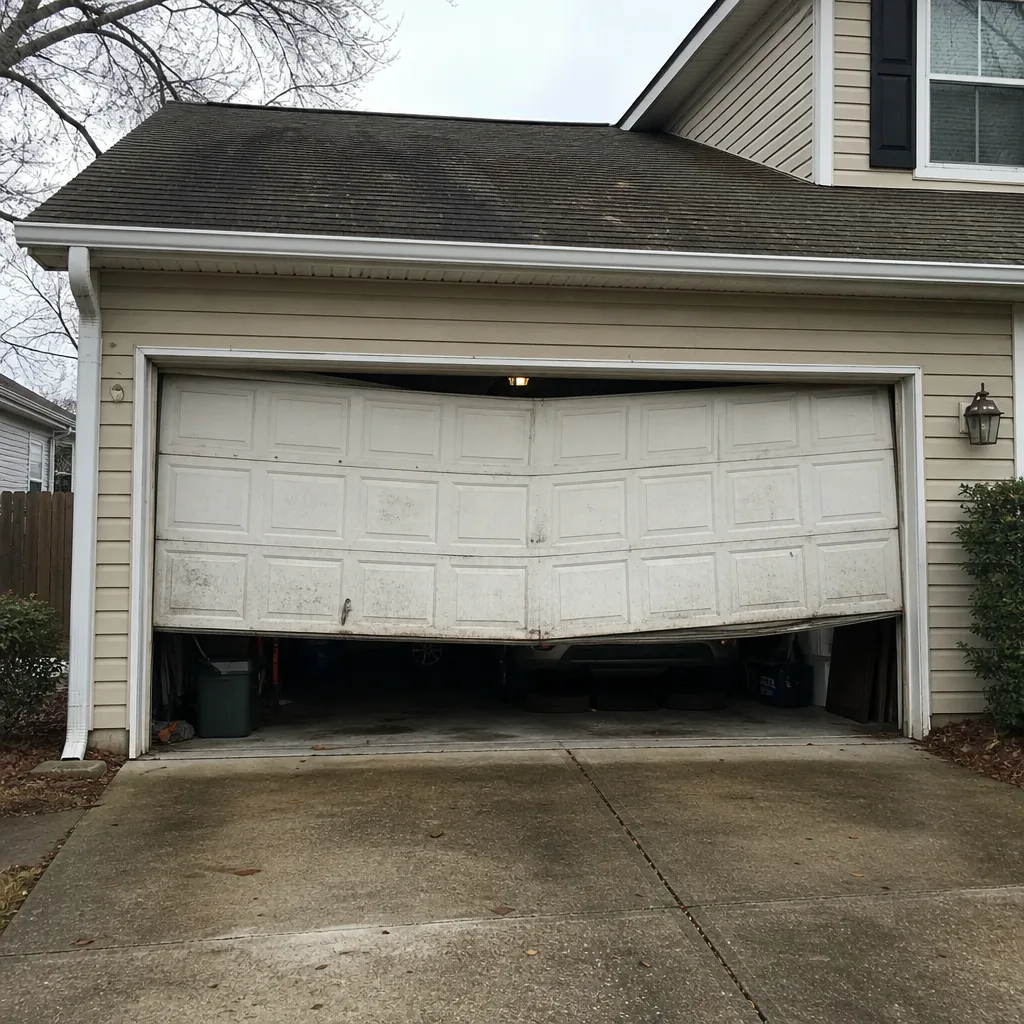 Before
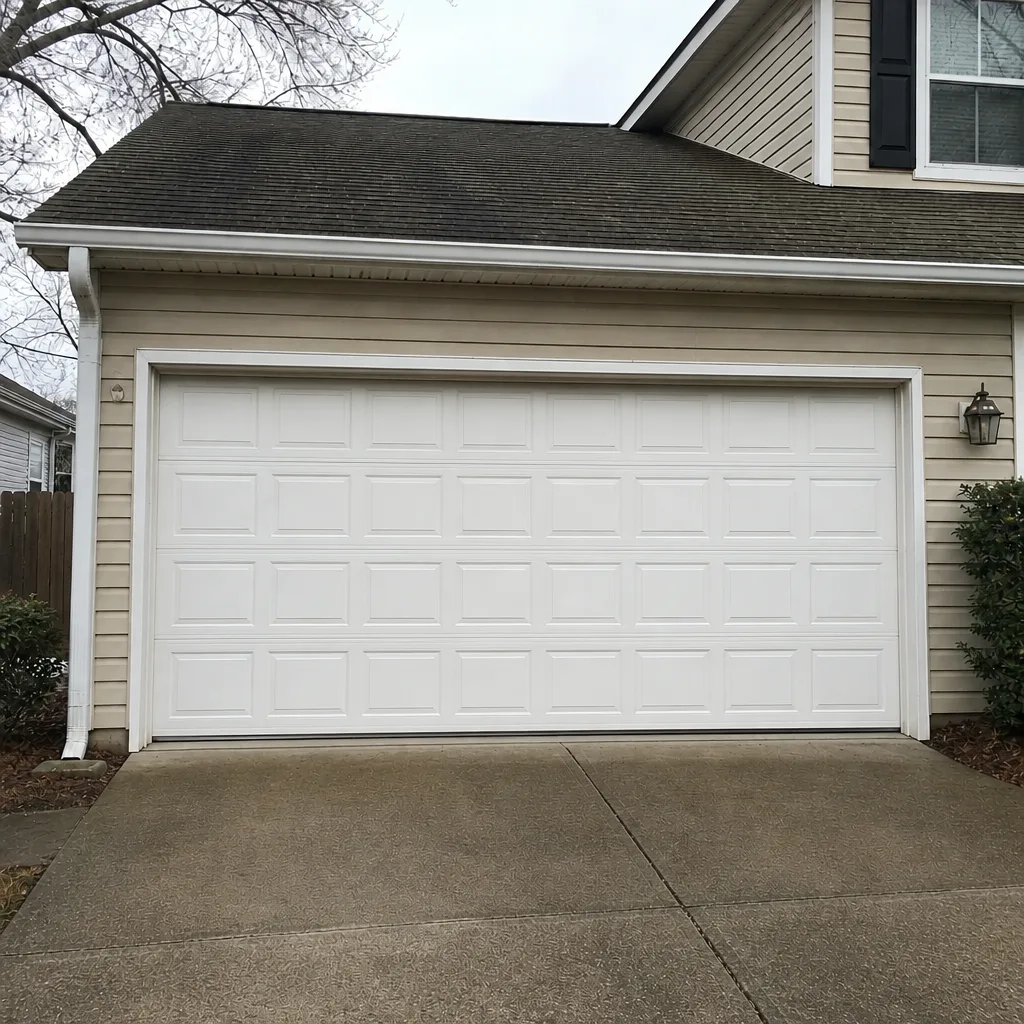 After
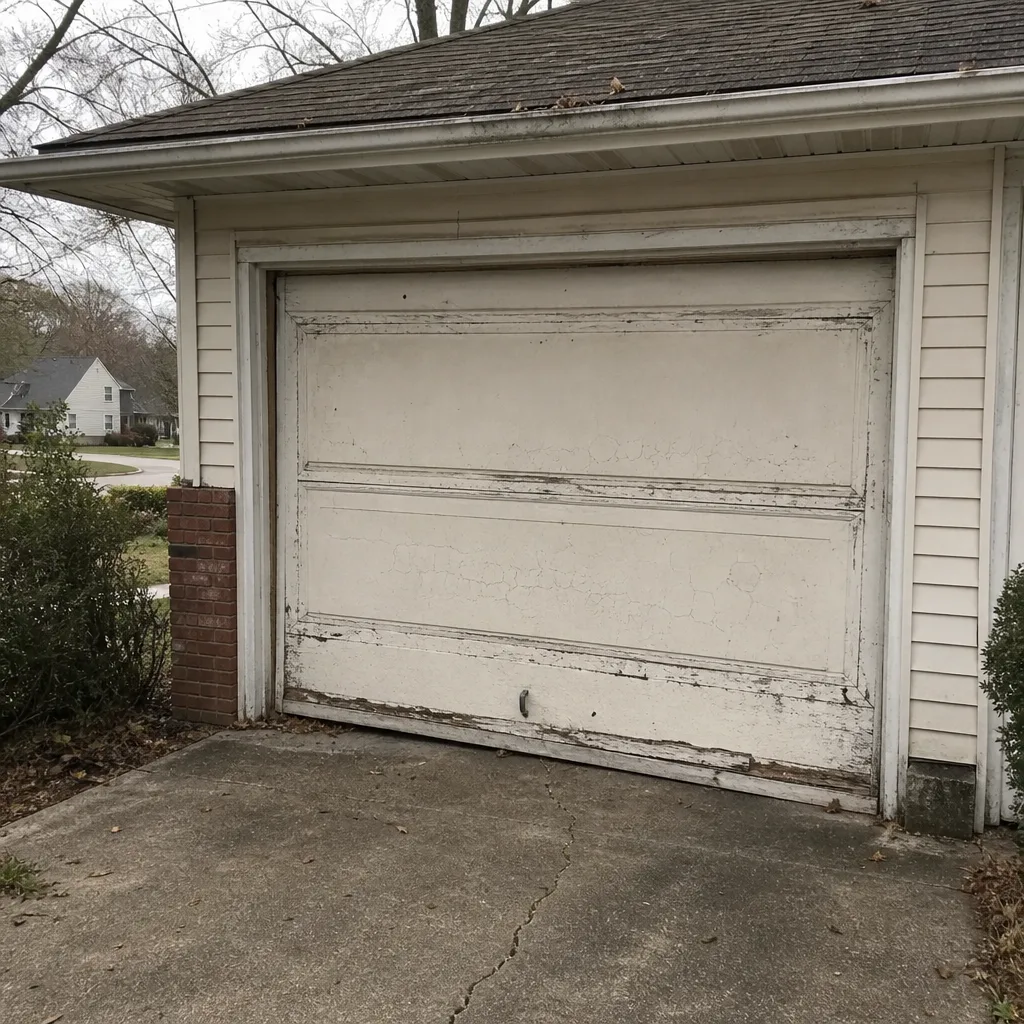 Before
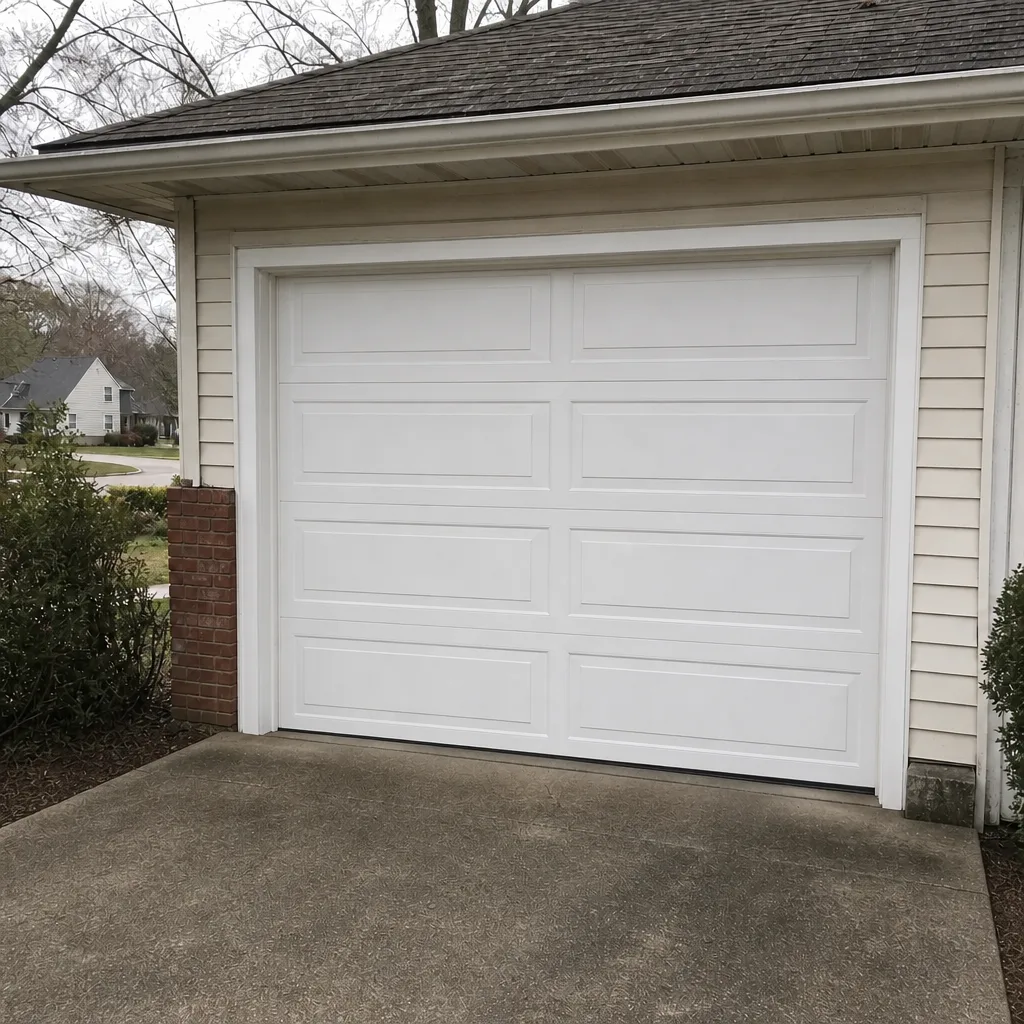 After
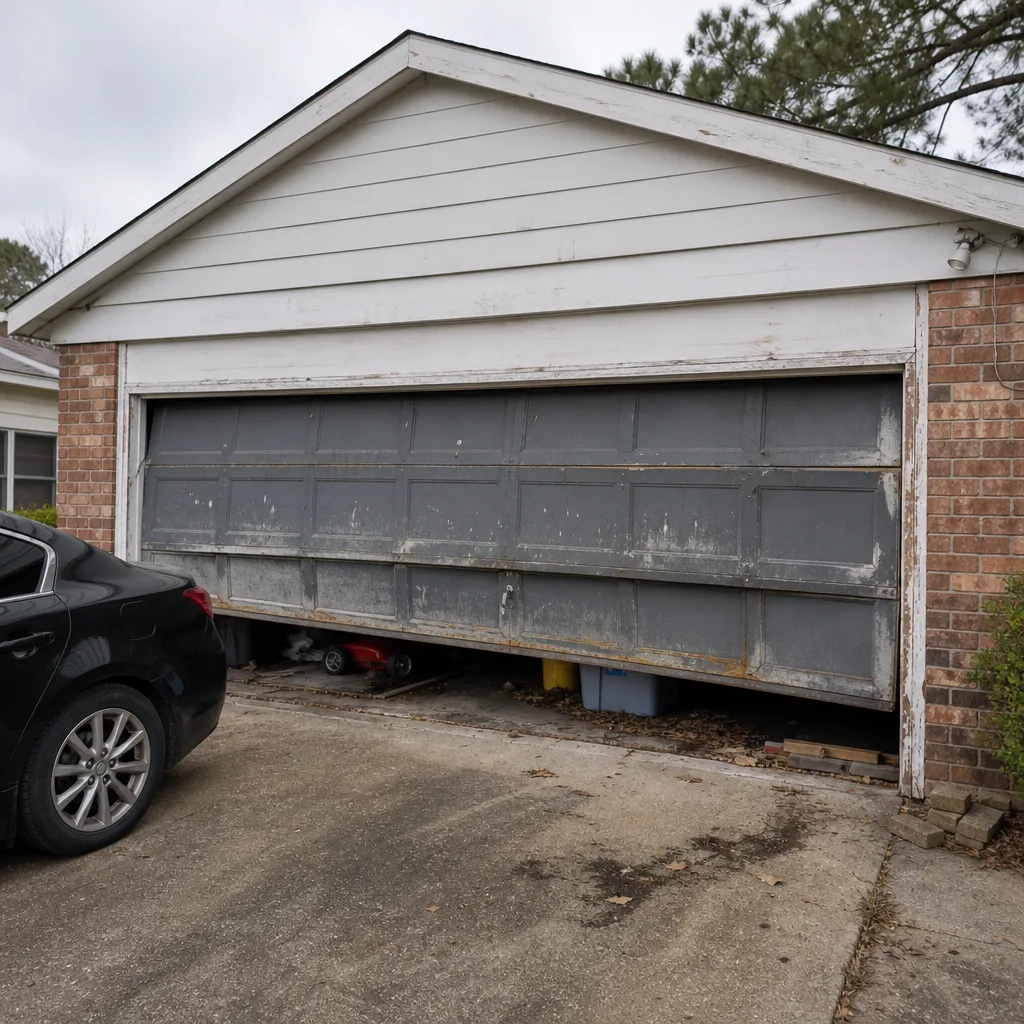 Before
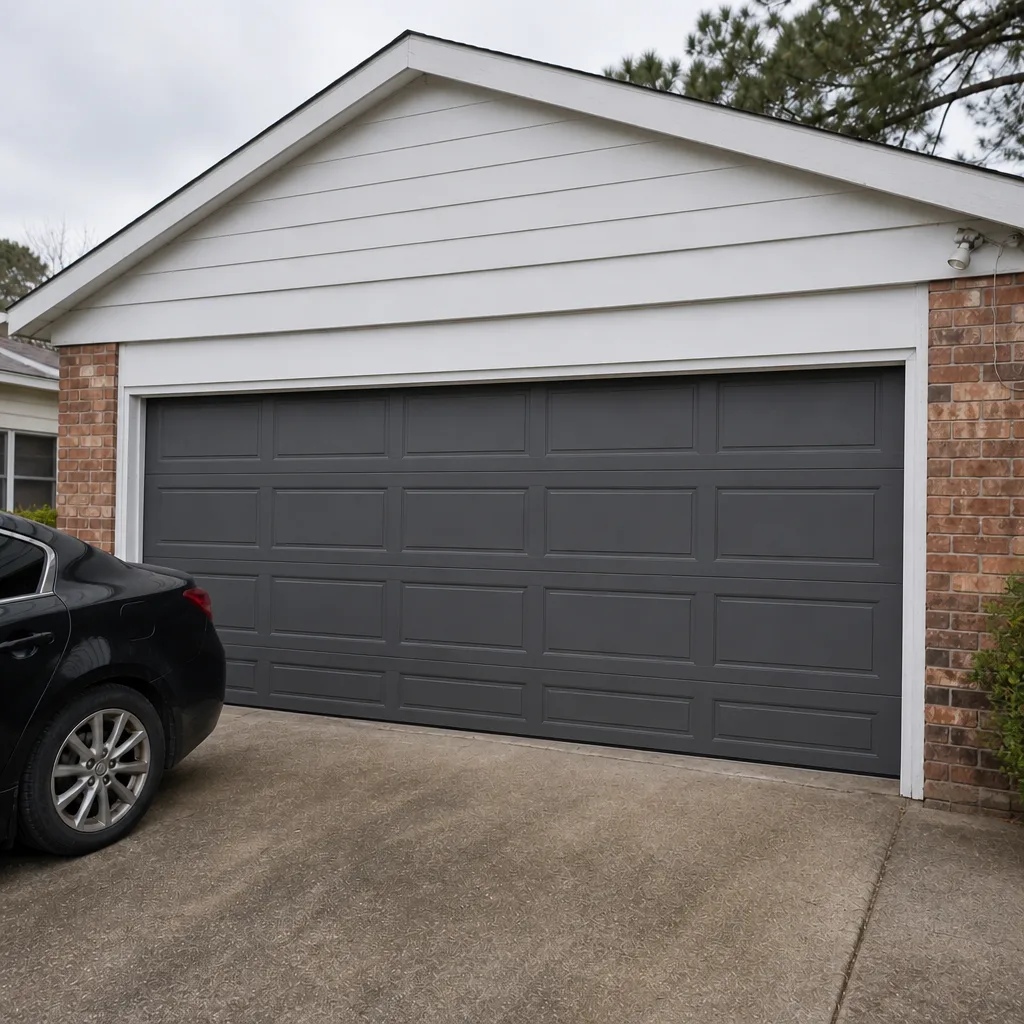 After