
Last updated November 15, 2026
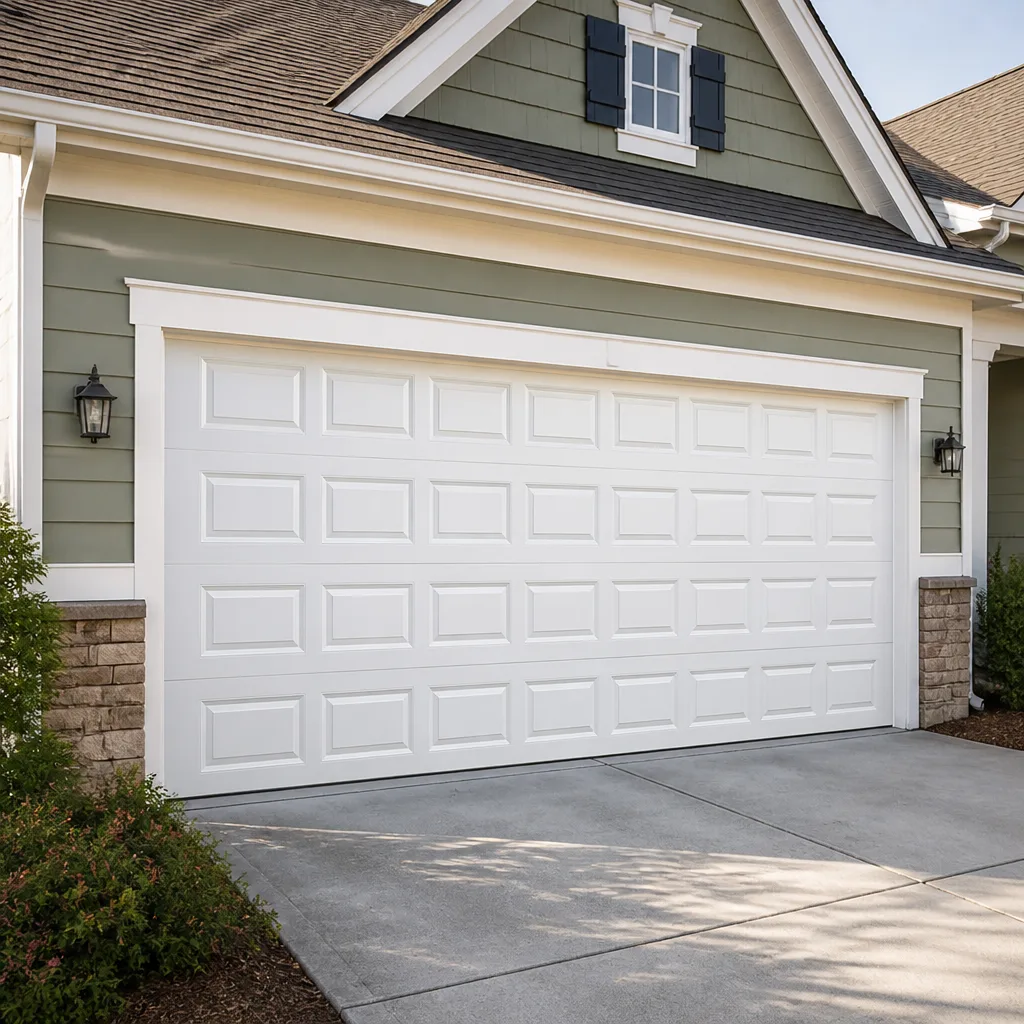 Raised-panel steel
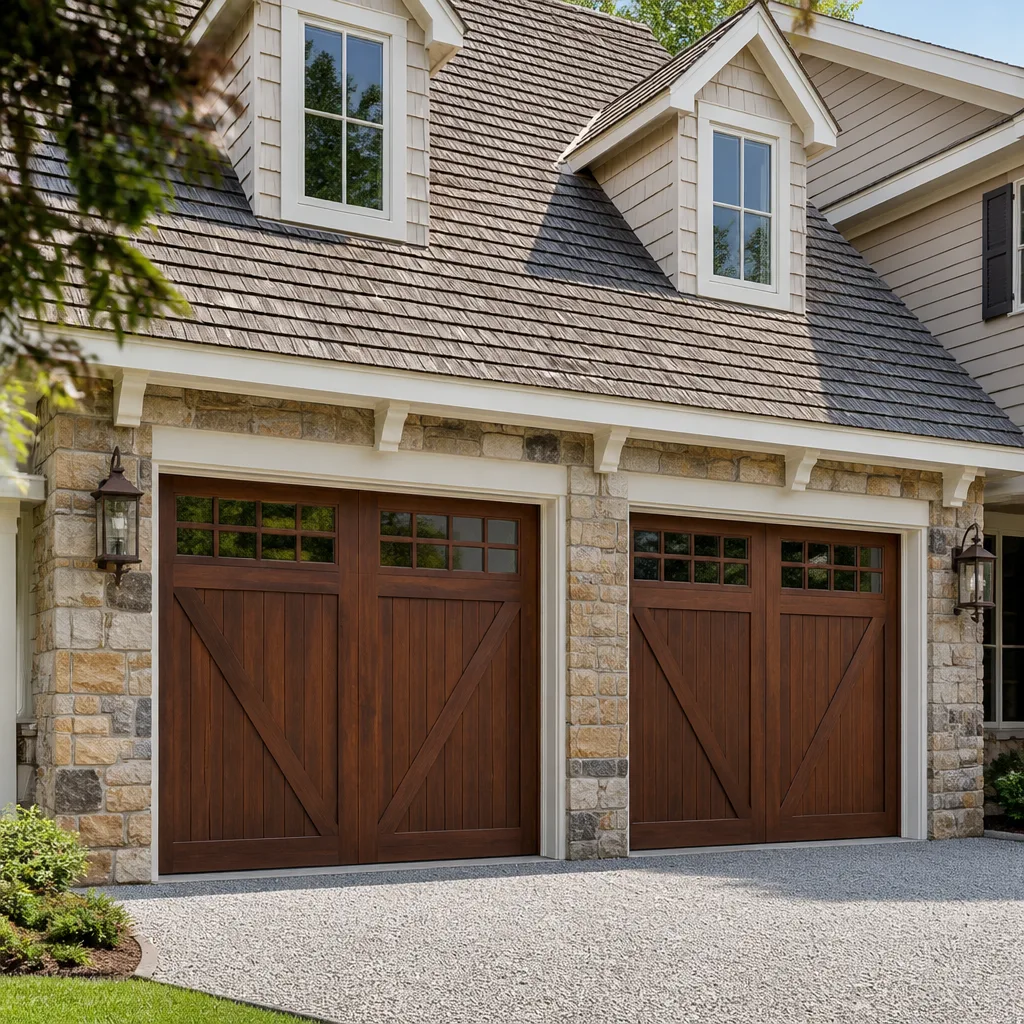 Carriage house
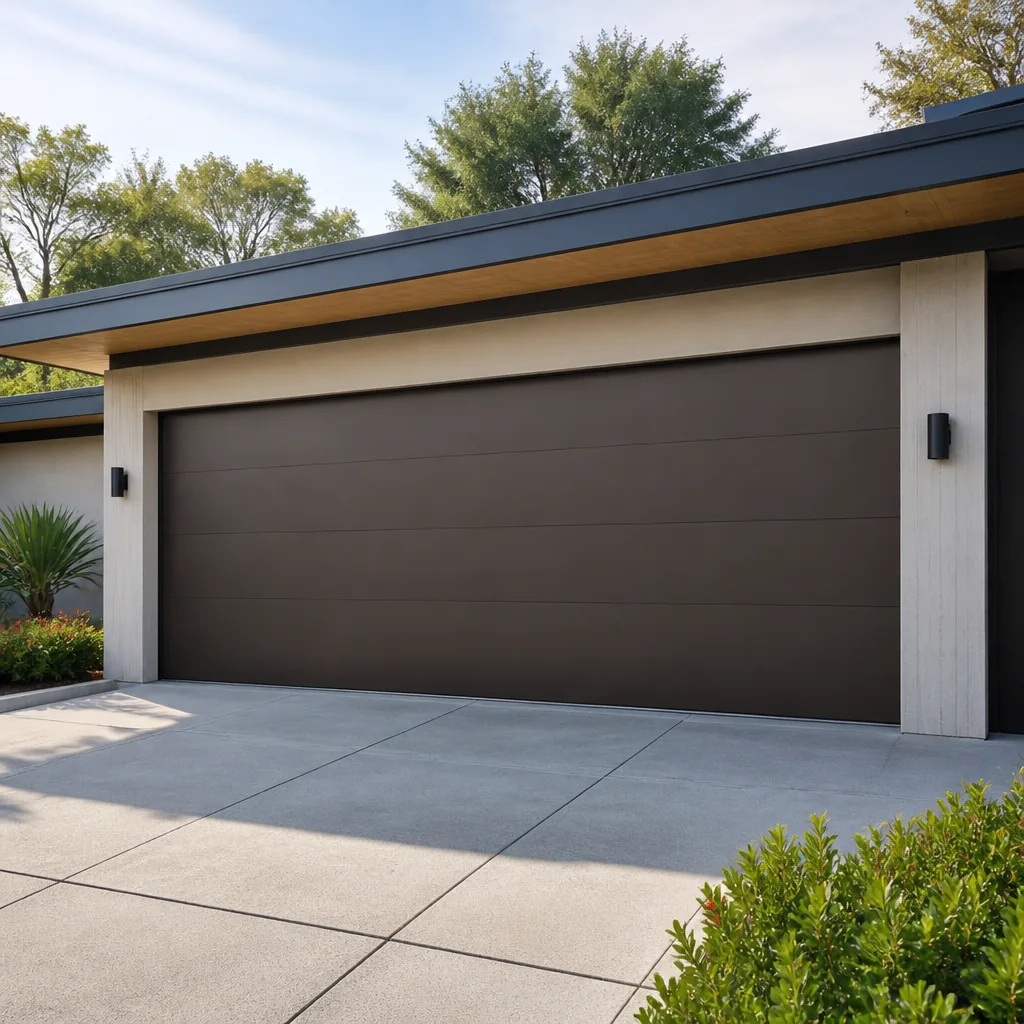 Modern flush
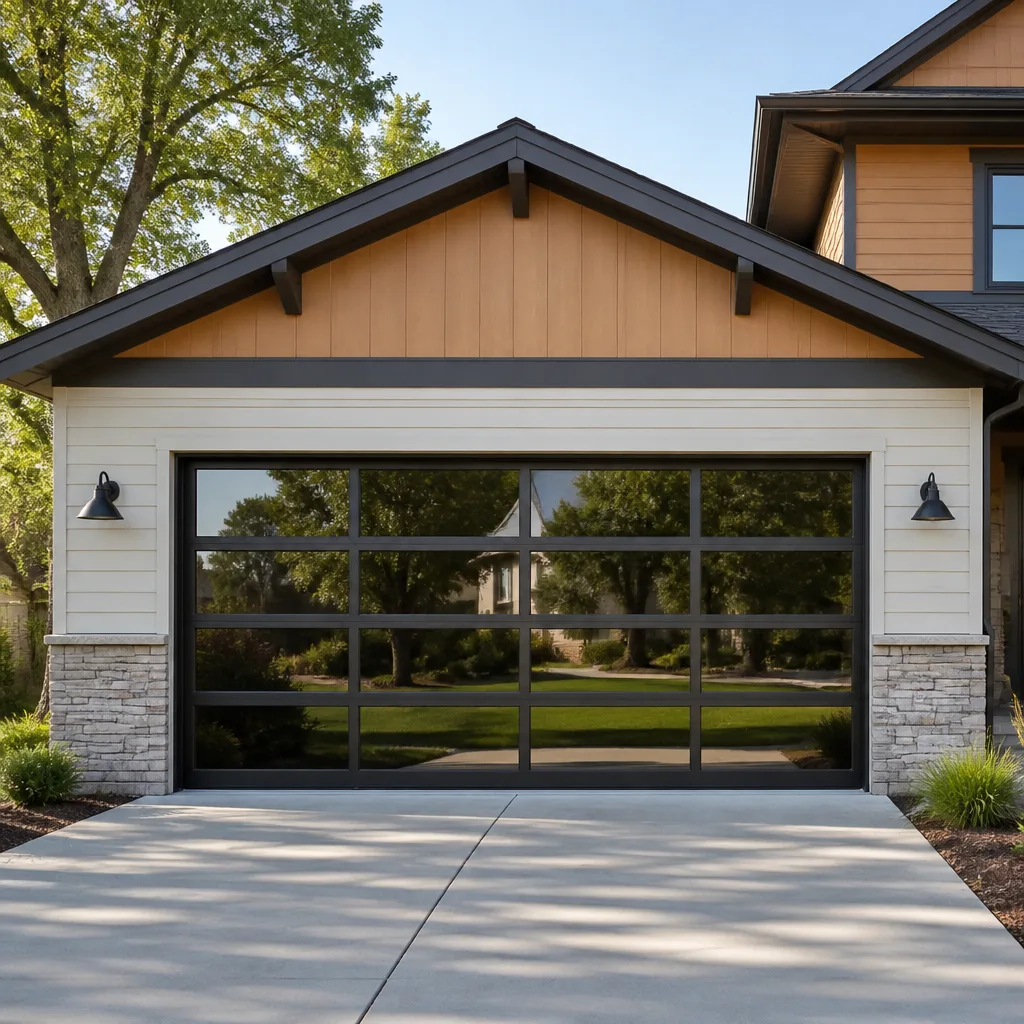 Full-view glass
 LiftMaster openers
 Chamberlain openers
Full 25-point door and opener safety check with every visit - springs, cables, rollers, tracks, and your LiftMaster or Chamberlain opener included
You get a price before we start. It does not change when the pro arrives.
Get your free estimateChoosing the Right Garage Door Brand: A Buyer’s Guide for Charleston
The brand printed on your garage door panel matters a lot less than the specs behind it. That’s the first thing to get straight, because the garage door market is built to make you shop by name. Two doors with different names on the box can be built from the same steel, in the same gauge, with the same coating – and two doors wearing the same brand can sit at completely different quality tiers. One is a builder-grade door sold by the pallet, the other is a mid-tier door with better hardware and a proper finish. In Charleston, where heat, humidity and afternoon storms do quiet work on cheap doors, that gap shows up within a few summers. This guide walks you through what actually matters: the spec sheet, the hardware, the opener match, and where each brand holds up.
Quick Answer
In Charleston, the best garage door brand is the one whose spec sheet fits your opening and your climate – not the one with the biggest ad budget. Look at steel gauge, coating system and weatherstripping before the brand name, then match the opener to the door’s weight and balance. Clopay, Amarr and Wayne Dalton all make solid mid-tier doors, and the installation quality matters as much as the label.
Styles & brands we work with
- Raised-panel steel
- Carriage house
- Modern flush
- Full-view glass
- LiftMaster openers
- Chamberlain openers
Table of Contents
- How to Read a Garage Door Spec Sheet for Charleston
- A Brand-by-Brand Breakdown of the Major Door Makers
- Builder-Grade vs. Mid-Tier: Why Installation Decides the Outcome
- Why Opener Brand Choice Has to Match the Door
- Buying for Longevity vs. Curb Appeal: Two Different Charleston Briefs
- Questions to Ask Any Installer Before You Sign
- Common Mistakes to Avoid
- When to Call a Professional
- Frequently Asked Questions
How to Read a Garage Door Spec Sheet for Charleston
A garage door spec sheet is written for the whole country, so you have to read it through a Charleston lens. The same door that performs fine in a dry climate can age faster here because heat and humidity work on steel, paint and seals in ways that don’t show up in a showroom. Here’s what to look at first.
Steel gauge
Gauge is the thickness of the steel skin, and it’s the number most buyers skip. Lower gauge means thicker steel. A 24-gauge or 25-gauge door is common at the builder-grade end, and it dents and flexes more easily. A 27-gauge steel is thinner still. If you’re comparing two doors and one is 24-gauge while the other is 27-gauge, you’re not comparing the same product, even if the panels look identical from the street. Ask for the gauge in writing.
Coating system
Paint is not the same thing as a coating system. A proper system includes a base coat, a finish coat and often a hot-dipped or galvanized treatment on the steel before painting. In Charleston’s humidity, a door with a thin single-coat finish will start to show wear at the panel edges and the bottom section first. Ask how many coats and whether the steel is galvanized before it’s painted.
Weatherstripping and bottom seal
Weatherstripping is the cheapest part of the door and the one that fails first. The bottom seal takes the most abuse because it sits against the concrete, where heat and moisture collect. Ask what material the bottom seal is and how the perimeter seals are rated. A door with good steel and a cheap seal will still let humid air and water past it.
Insulation and weight
Insulated doors weigh more, which is fine, but heavier doors need a properly matched torsion system and opener. If you’re buying for a west-facing opening that bakes in the afternoon, insulation helps the room behind it and helps the door hold its shape. Write the door’s weight and balance point down; you’ll need them for the opener.
A Brand-by-Brand Breakdown of the Major Door Makers
We work on the doors already in Charleston homes, and we see each brand’s weak points show up in predictable places. None of this is a ranking; a well-specified door from any of these makers beats a poorly specified one from another. Here’s where each one earns its keep and where it asks for attention.
Clopay
Clopay has one of the widest product ranges, which is both the good news and the catch. You can buy a solid mid-tier insulated door or a builder-grade door under the same name. Where Clopay holds up well in Charleston is on the better end of its line, where the steel gauge and coating are specified properly. Where it asks for attention is the entry-level line, which lives up to its price in the panel finish over time. If you’re comparing Clopay to anything, compare the exact model, not the brand.
Amarr
Amarr builds a range that lands well for homes that want a clean, traditional look without paying for the top tier. The steel is generally sound, and the insulation options are worth asking about for west-facing openings. The notes we see on Amarr doors in Charleston are usually about hardware and seals rather than the panels – replaceable items that a specialist can address. If you buy Amarr, put your budget into the hardware and weatherstripping.
Wayne Dalton
Wayne Dalton doors are common on older Charleston homes, and there’s a reason they’ve stuck around: the panels are simple and the parts are serviceable. Where Wayne Dalton can be a headache is on discontinued or legacy models, where the hardware is specific and a generalist will tell you the whole door needs replacing instead of finding the part. This is one of the brands we see turned away elsewhere. Bring us the model name if you have it.
CHI
CHI is worth knowing if you’re buying for durability rather than showroom styling. CHI doors tend to be specified with heavier steel and a more industrial build, which suits Charleston homes that face a lot of afternoon sun on the door face. The trade-off is that CHI’s styling range is narrower than the big consumer names. If your priority is a door that holds its shape for the long haul, CHI belongs on your shortlist.
Builder-Grade vs. Mid-Tier: Why Installation Decides the Outcome
A builder-grade door and a mid-tier door can look the same in the driveway for the first year. The difference shows up in the hardware, the seals and the install. Builder-grade doors are sold at volume by franchise installers who are paid to move units, and the hardware that comes in that box is chosen to hit a price, not to last in Charleston’s humidity. A mid-tier door installed by a specialist gets the details right: the bottom seal sits flush, the springs are rated to the actual door weight, and the tracks are aligned straight from day one.
Here’s the difference in practice:
- Hardware spec. A specialist specifies hinges, rollers and springs rated for the door weight. A volume installer uses the box contents.
- Bottom seal fit. The seal is cut and set to the actual slab, not left with gaps the door has to flatten shut.
- Spring rating. The springs are matched to the door’s actual weigh, not a generic rating.
- Balance check. The door is balanced and tested by hand, not just run up and down once.
- Opener match. The opener is chosen for the door, not pulled from whatever’s on the shelf.
None of that is exotic. It’s just the work that happens when the installer’s only job is getting your door right. That’s the standard we hold ourselves to at Loyal Garage Door Service – repair first when repair is the answer, and a properly specified door when it isn’t.
Why Opener Brand Choice Has to Match the Door
The opener is the part homeowners shop most freely and match least carefully. A heavier insulated door needs more lift force, and a lighter door needs less; an opener sized for the wrong door either strains or overpowers it. When the opener is mismatched, the motor runs hotter, the gear wears faster and the door’s balance drifts. Over a few Charleston summers, that’s the difference between an opener that offers years of quiet service and one that starts skipping.
The opener brands that come up most often are LiftMaster, Chamberlain and Genie, and each has its own logic:
- LiftMaster is widely installed and pairs well with smart-home setups. Its rail and drive system is built for heavier doors in the mid range, which suits insulated doors.
- Chamberlain shares a lot of infrastructure with LiftMaster and is common in newer homes. Its smart connectivity is a draw, but the door weight still decides the size.
- Genie is common on lighter doors and older installs. On a heavier replacement door, a Genie sized for the old door will work too hard.
The rule is simple: pick the opener after you know the door’s weight and balance, not before. If you want the details on which operator fits which door, our garage door opener repair page covers the match and the repair side. Matching the opener to the door is the single biggest reason a new door feels right on day one.
Buying for Longevity vs. Curb Appeal: Two Different Charleston Briefs
Charleston homeowners shop garage doors for two very different reasons, and the right brand depends on which one you’re solving for. If you’re buying for longevity, you want the heaviest steel your budget allows, a full coating system, and hardware chosen for heat and humidity. Look at CHI and the mid-tier ends of Clopay and Amarr, and put the savings from the cheaper tier into better seals and springs.
If you’re buying for curb appeal, in a historic district or a high-HOA neighborhood, the brief flips. The panel profile and color matter more than the gauge, and the door has to match the house. Here the mid-tier Carolina door makers give you the styling range, and the brand choice comes down to which panel design fits the home. In either case, a properly specified door in Charleston beats a top-badge door that’s underspecified and installed by whoever was cheapest.
A quick decision guide
- If you’re staying in the home long-term: prioritize steel gauge and coating over panel style.
- If it’s a rental or a flip: a clean mid-tier door with good hardware beats a cheap door with premium trim.
- If the opening gets afternoon sun: insulated, heavier steel, with a full coating system.
- If it’s a historic or HOA property: confirm the panel style with the HOA before you order.
Questions to Ask Any Installer Before You Sign
The brand on the door only half-decides whether you’ll be happy. The other half is the installer, and the questions you ask before the job starts tell you a lot about how it will go. Here’s what to put to any company in Charleston before you sign.
- What gauge is the steel on this door? If they can’t answer, keep asking or move on.
- Is the steel galvanized before it’s painted, and how many coats? Coating is the whole story in humidity.
- Is the hardware rated for this door’s weight? Springs and rollers are not one-size-fits-all.
- Will you balance the door by hand before you attach the opener? A proper balance check makes the opener last.
- Which opener are you matching to this door, and why? The answer should reference weight, not brand loyalty.
- Is the price fixed in writing before the work starts? It should be. The written estimate is the price.
Our technicians have up to 11 years of experience, and we work on what you already have – whether that’s a Clopay door with a Genie opener or a Wayne Dalton door with a LiftMaster operator that’s been running quietly for years. One call covers the door hardware and the opener system.
Common Mistakes to Avoid
- Buying by brand name without a spec sheet. Two doors with the same name can be built to different tiers. Compare the gauge, coating and seals before you compare the label.
- Replacing a repairable door. A door that dents or sticks is often a hardware problem, not a door problem. Repair first when repair is the answer, and get a repair quote before you sign for a full install.
- Reusing the old opener on a heavier new door. If the new door is heavier, the old opener works harder. Size the opener to the new door.
- Specifying a builder-grade door in a high-HOA or historic neighborhood. Confirm the panel style with the HOA before ordering, or you’ll be paying twice.
- Letting a volume installer choose your hardware. The hardware in the box is chosen for price. Ask what’s actually going on your door.
- Assuming installation quality is the same everywhere. The install determines whether the seals sit flush and the springs are rated right. Ask the questions.
- Skipping the balance check on the opener. An unbalanced door forces the opener to do the lifting. It’s the most common reason motors fail early.
Repair on the door side is often simpler and cheaper than homeowners expect. If your door is sticking, check our garage door repair service before you assume it’s a replacement.
When to Call a Professional
Some garage door work belongs to a pro and no one else, no matter how handy you are. Torsion springs and cables are under high tension and can cause serious injury if they’re mishandled – leave them to a trained technician. Electrical work on openers and oparator wiring is a safety matter too, and it should only ever be handled by someone trained for it. If a door is off its track, the opener is straining, or the door won’t stay balanced, those are signs to stop forcing it and call someone.
If you’re comparing brands and want a straight answer about what fits your opening, we’re happy to help. Loyal Garage Door Service offers free estimates in Charleston. Call (855) 745-6192. We answer 24/7. Fast dispatch from 7am to 7pm, Sunday through Friday.
Frequently Asked Questions
There isn’t one best brand; there’s a best fit for your opening, your climate and your brief. For longevity, heavier steel and a full coating system from CHI, Clopay or Amarr are a strong starting point. For style and HOA fit, the panel profile matters more than the label. Match the opener to the door and the installation to the climate. Call (855) 745-6192 for an exact quote – estimates are free.
Choose the door first, then match the opener to the door’s weight and balance. The opener is a motor; the door is the load. Pick a heavier door and the opener has to be sized for it. Picking the opener first is the most common mismatch we see. Call (855) 745-6192 to talk through the match. We answer 24/7.
Steel gauge, coating system and weatherstripping rating matter most, in that order. Gauge is thickness and it decides how the door holds shape. The coating system decides how the paint lasts in humidity. The seals take the most abuse at the concrete. Get all three in writing before you buy. Call (855) 745-6192 for a free estimate.
Sometimes, if the door is on a rental or a short-term hold and a mid-tier door doesn’t fit the budget. The honest answer is that a mid-tier door with better hardware and a proper install usually lasts longer and costs less to own. Compare the two on gauge, coating and hardware before you decide. Call (855) 745-6192 and we’ll quote both.
Yes, and often you should. If the door is in good shape and only the opener has failed, replacing the opener alone is the right move. If you’re putting a heavier door in, the opener has to be resized. Repair first when repair is the answer. Call (855) 745-6192 for a free estimate on either.
Our technicians are trained and experienced, and we work on the eight major brands – LiftMaster, Chamberlain, Genie, Clopay, Amarr, Wayne Dalton, Craftsman and Raynor. We stay focused on garage doors: repair, opener repair and installation. Call (855) 745-6192 for an exact quote. Estimates are free and the price is set in writing before any work starts.
No. The written estimate is the price, and it’s agreed before any work starts. That’s the part most homeowners care about second, right after the brand question. If we find something different on site, we tell you before we touch anything. Call (855) 745-6192 to book a free estimate on your Charleston home.
The Bottom Line
The brand on the panel matters less than the specs behind it. In Charleston, buy the steel gauge, the coating system and the weatherstripping first, and compare exact models rather than brand names. Match the opener to the door’s weight and balance, and put your trust in the installer as much as the label. Clopay, Amarr, Wayne Dalton and CHI all make a door worth owning in the right tier. If you’re not sure where to start, we’ll tell you straight – one call covers the door and the opener. Call (855) 745-6192 for a free estimate. We answer 24/7, with fast dispatch from 7am to 7pm, Sunday through Friday.
Written by the team at Loyal Garage Door Service.
See the difference
 Before
 After
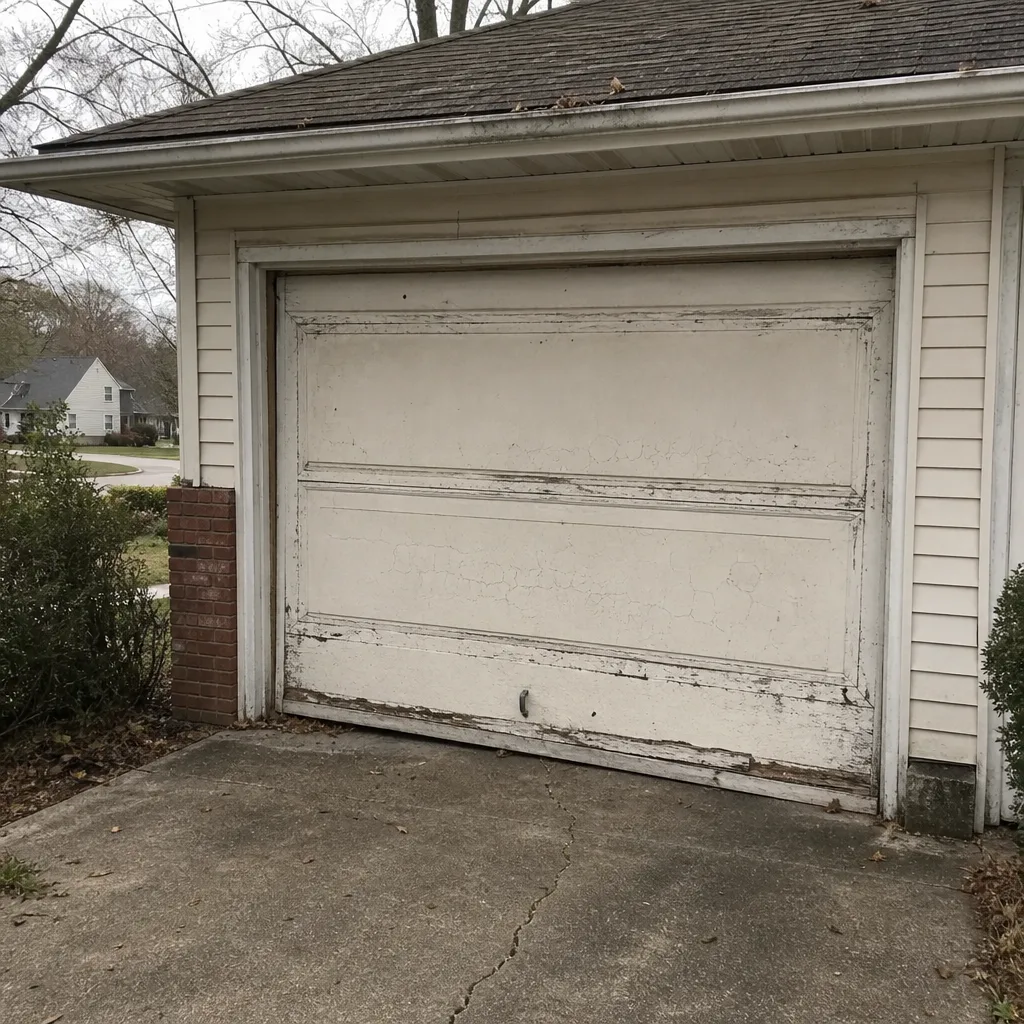 Before
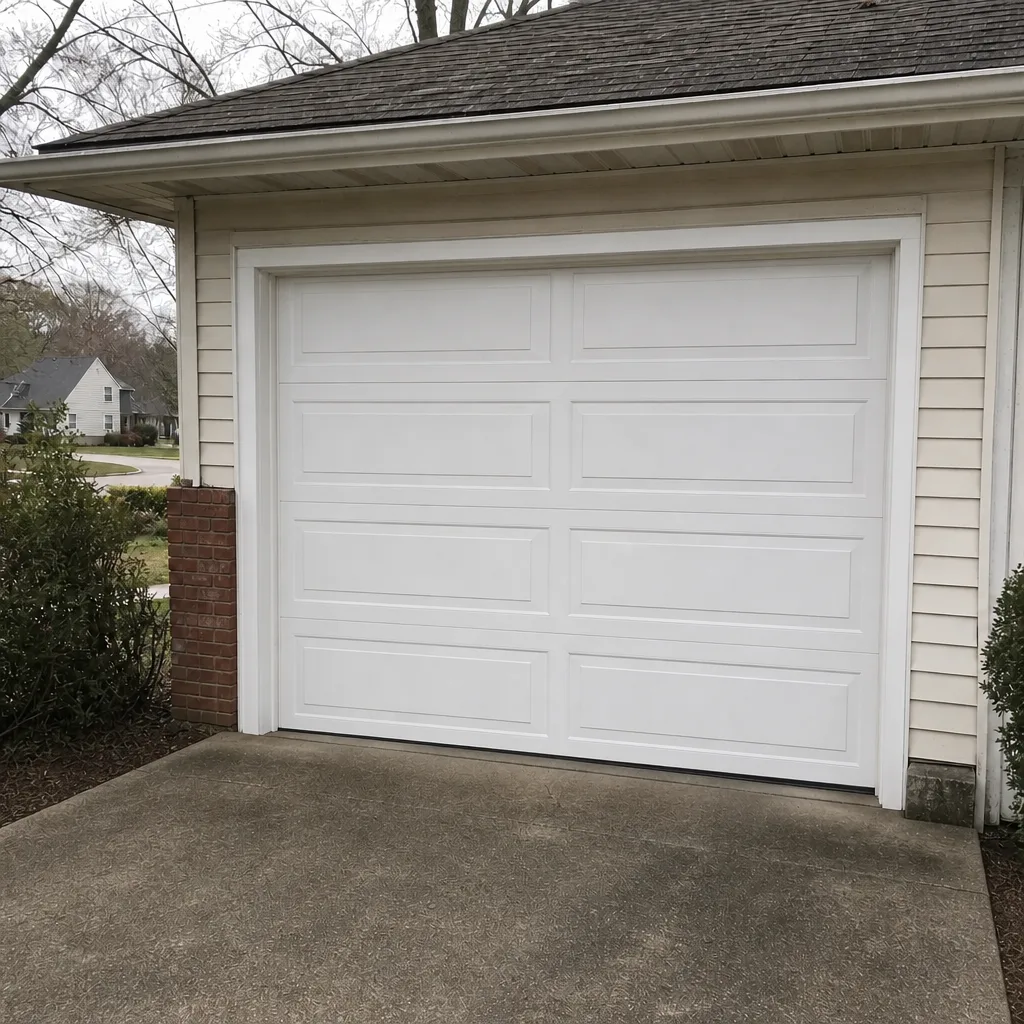 After
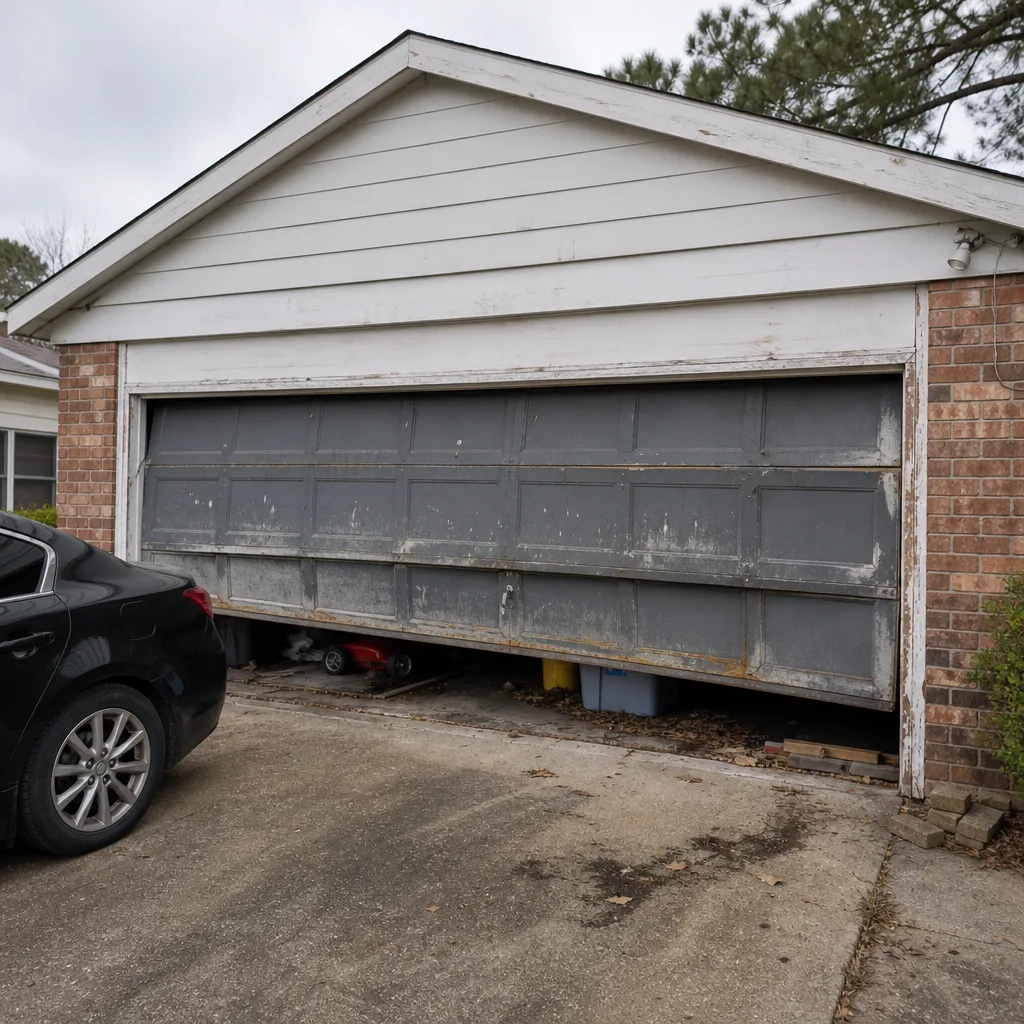 Before
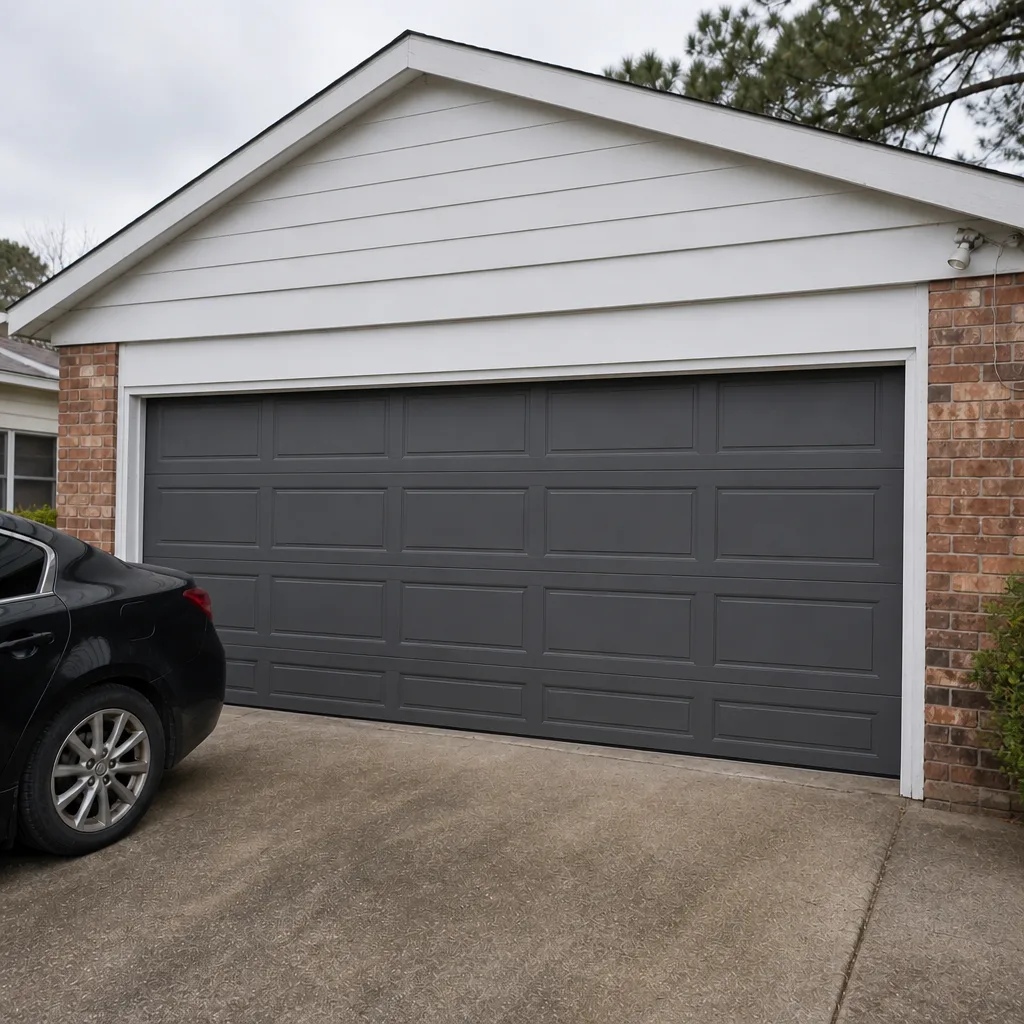 After