
Last updated November 15, 2026
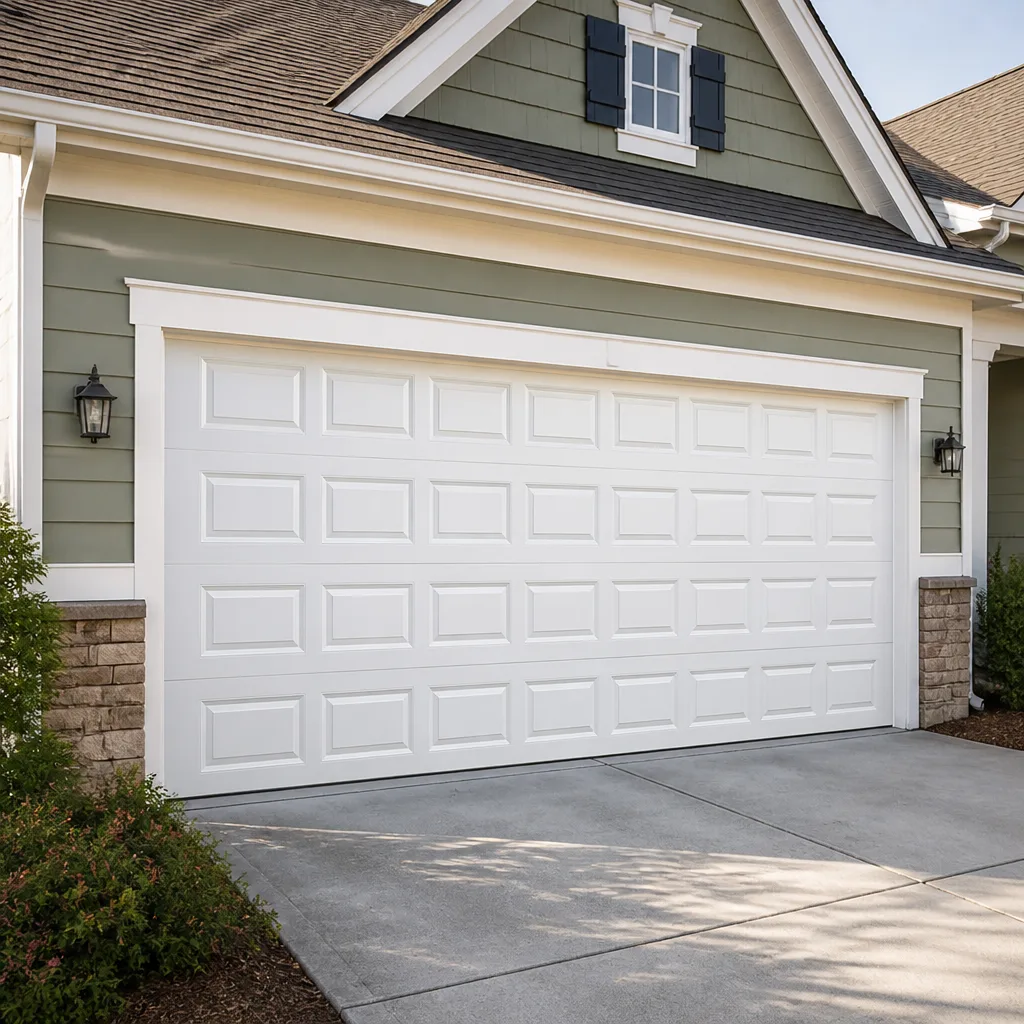 Raised-panel steel
 Carriage house
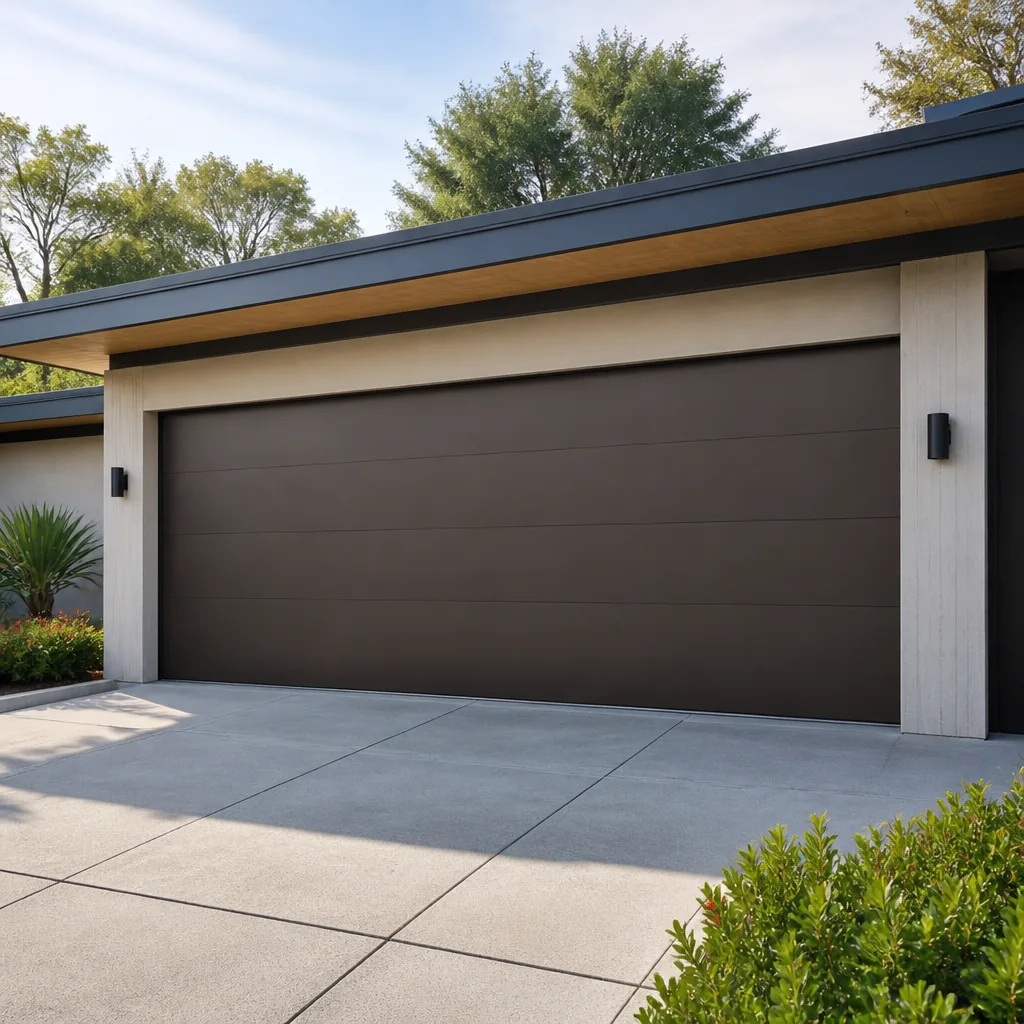 Modern flush
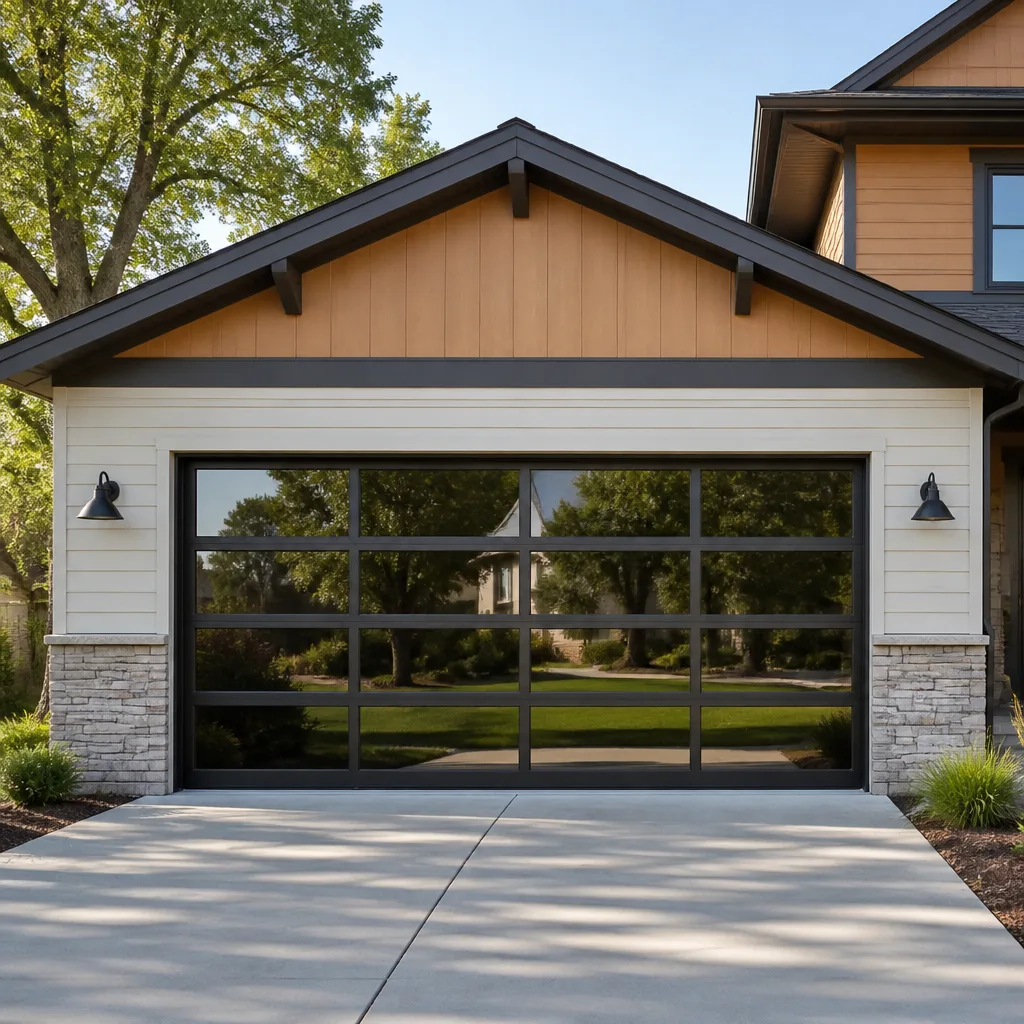 Full-view glass
 LiftMaster openers
 Chamberlain openers
Full 25-point door and opener safety check with every visit - springs, cables, rollers, tracks, and your LiftMaster or Chamberlain opener included
You get a price before we start. It does not change when the pro arrives.
Get your free estimateGarage Door Repair Maintenance Checklist for Charleston Homeowners
The number-one reason Charleston garage doors fail prematurely isn’t lack of maintenance. It’s maintenance done on the wrong schedule for the wrong parts. Most checklists floating around the internet were written for a national audience and a climate that doesn’t exist here. They treat every component as if it wears at the same rate, which means homeowners spend time oiling things that don’t need it while ignoring the rollers, seals, and photo-eye lenses that actually take a beating from Lowcountry humidity, heavy spring pollen, and sandy storm runoff. This guide fixes that. You’ll learn which parts need attention monthly versus quarterly, which lubricants survive here and which turn your tracks into a gritty mess, and where the honest line sits between what you can safely handle and what needs a trained technician.
Quick Answer
A garage door maintenance checklist for Charleston should be tuned to local conditions, not copied from a generic template. Check and lubricate rollers, hinges, and the torsion spring every three months, inspect the bottom weather seal monthly during rainy season, clean pollen-fogged photo-eye lenses as needed, and test the safety reverse monthly. Anything involving the torsion spring, cables, or opener wiring belongs with a trained technician, not a DIY session.
Styles & brands we work with
- Raised-panel steel
- Carriage house
- Modern flush
- Full-view glass
- LiftMaster openers
- Chamberlain openers
Table of Contents
- The Monthly Five-Minute Check
- The Quarterly Deep Check
- Which Components Wear Fastest in Charleston Humidity
- Choosing Lubricants That Hold Up in High Humidity
- Bottom Weatherstripping and Sandy Soil
- A Seasonal Trigger System Built for Lowcountry Weather
- What You Can Safely Do Yourself vs. What Needs a Technician
- Opener and Smart System Checks
The Monthly Five-Minute Check
A monthly walk-around catches most developing problems before they turn into a repair call. Five minutes is genuinely enough if you know what to look at. The point isn’t to fix anything on this pass. It’s to notice changes early, while a worn roller is still a cheap swap and a fraying cable hasn’t snapped yet.
Here’s what to cover each month:
- Run the door and listen. A healthy door makes a steady, even sound. Grinding, squealing, or a rhythmic thump means something is binding or worn.
- Check the bottom seal. Look for gaps against the floor, tears, or grit packed into the rubber. In Charleston, sandy soil and storm runoff work grit into that seal faster than in drier markets.
- Wipe the photo-eye lenses. Pollen coats them like dust on a windowsill. Fogged lenses are one of the most common reasons a door refuses to close.
- Test the safety reverse. Put a roll of paper towels under the door and close it. The door should reverse on contact. If it doesn’t, stop using it and get it looked at.
- Look at the springs and cables. You’re not touching them. You’re scanning for visible gaps in the spring coil or fraying on the cables. Anything you see, call.
That’s the whole monthly routine. It’s not glamorous, and it’s not meant to be. It’s the difference between a door that quietly runs for a decade and one that surprises you on a rainy morning when you’re already running late for work.
The Quarterly Deep Check
Every three months, extend the monthly check into a full inspection of the moving parts. This is where you lubricate, tighten, and confirm balance. Charleston’s humidity makes this quarterly rhythm more important than it would be in a dry climate, because moisture speeds up wear on anything metal that moves.
Work through the door systematically:
- Rollers: Inspect each roller for flat spots, cracks, or wobble. Worn rollers put extra strain on the opener and track.
- Hinges: Look for loose screws and worn pivot points. A hinge that’s started to squeal is telling you it needs lubricant, and possibly replacement.
- Tracks: Run a clean rag along the inside edge. Dirt buildup here is a warning sign that your lubricant is attracting grit rather than repelling it.
- Balance test: Disconnect the opener (pull the release handle), lift the door halfway, and let go. It should hold its position. If it drops or rises, the springs are out of balance, and that’s a technician task.
- Hardware check: Tighten any bolts and brackets that have worked loose. Vibration over time loosens fasteners, and a loose bracket can twist the track.
We’ve seen doors in Charleston where the owner was diligent about lubricant but never checked the balance. The door felt fine to lift, so nothing seemed wrong, but the springs were doing far more work than they should have been. Balance affects spring life more than anything else on the door, and it’s invisible unless you test for it.
Which Components Wear Fastest in Charleston Humidity
Charleston’s humidity doesn’t attack every component equally. It speeds up wear on parts that hold moisture or that rely on a thin film of lubricant, and it leaves other parts largely alone. Knowing which is which lets you spend your maintenance time where it actually matters.
Fastest wearers:
- Steel rollers: They corrode first. Most modern doors use nylon rollers, which don’t rust, but many older Charleston homes still have steel rollers that pit and seize in humid air.
- Bottom weather seal: Rubber and vinyl break down faster in heat and moisture, and the seal sits directly in the path of runoff and grit. It’s the single most climate-exposed part of the door.
- Torsion spring: A steel spring under constant tension will show surface rust in humid conditions. Rust creates a stress point, and stress points are where springs fail.
- Photo-eye lenses: Not a corrosion issue, but pollen fogging is real and it happens fast here. Clean lenses monthly during heavy pollen months.
Slower wearers:
Aluminum and steel door panels themselves hold up reasonably well if the finish is intact. The track, being painted or galvanized, is more resistant than raw steel rollers. And the opener motor, being sealed, isn’t humidity-sensitive the way the mechanical hardware is. That’s why a good Charleston checklist budgets its attention toward the moving steel parts and the seal, not the motor housing.
Choosing Lubricants That Hold Up in High Humidity
This is where most generic advice falls apart. A lubricant that performs fine in a dry climate can turn into a dirt magnet in Charleston’s humid air, and a gunked-up track is worse than no lubrication at all. The right products stay put, repel moisture, and don’t collect grit.
What to use:
- Silicone-based spray lubricant for hinges, rollers, and the torsion spring. It dries to a thin film, doesn’t attract dust, and doesn’t wash away in humid air.
- White lithium grease for the opener’s screw drive or chain, if your opener uses one. It holds up well in high humidity and resists breakdown.
- Dry graphite for lock cylinders, if your door has a manual lock.
What to avoid:
Heavy motor oil and general-purpose grease are the two biggest culprits. Both attract dirt and pollen, and in Charleston’s humidity they can turn into a sticky paste within a couple months. That paste catches grit, the grit grinds against the rollers, and the track starts to bind. If you’ve ever run your finger through a track and come up with black sludge, you’ve met the aftermath of the wrong lubricant.
Apply lubricant sparingly. A light coat on moving parts is plenty. Spraying half a can into the tracks is counterproductive, because the excess collects dirt rather than protecting the steel.
Bottom Weatherstripping and Sandy Soil
The bottom weather seal is the hardest-working part of your door in Charleston, and it’s also the cheapest to replace. That combination makes it worth checking frequently and replacing the moment it shows real wear. Sandy soil, storm runoff, and grit all work their way into the seal, wearing it from the inside out.
Signs the seal needs replacing:
- Visible cracks, tears, or chunks missing from the rubber
- Daylight showing under the closed door
- Water inside the garage after a hard rain
- The seal has gone stiff or brittle and no longer flexes
Replacing a bottom seal is one of the safer DIY jobs on the door, provided your door has a standard slide-in or nail-on seal. You’ll need the right replacement height for your door and a bit of patience. If your door uses a more unusual seal profile, or the retainer has rusted, it’s easier to have a technician handle it during a repair visit. A seal that doesn’t sit flush defeats its purpose: it lets in water and lets conditioned air escape, which in a Charleston summer is money out the window.
While you’re down there, sweep grit away from the base of the door. Sand that builds up under the seal gets ground into the rubber every time the door closes.
A Seasonal Trigger System Built for Lowcountry Weather
Calendar months are a poor guide for Charleston garage door maintenance, because our weather doesn’t follow a tidy schedule. A better approach is to tie inspections to actual seasonal events. When the trigger happens, do the check. That way you’re keeping up with what the climate is actually doing to the door.
Before hurricane season:
- Test the balance and safety reverse, since you may need the door to work reliably during a storm.
- Confirm the door closes fully and seals, because a gap lets driven rain in.
- Check that all hardware is tight, since storm winds shake loose anything that’s marginal.
- Clear the area around the track and confirm the door is unobstructed.
After the Lowcountry summer heat:
Summer is the hardest season on the door. Heat softens rubber seals, expands metal, and stresses springs. Once the worst of the heat has passed, do a full quarterly check: lubricate, inspect the rollers, and test the safety reverse. This is also a good moment to look at the seal, because summer is when it takes the most wear.
After a winter cold snap:
Charleston’s occasional cold snaps can stiffen seals and lubricants and make springs more brittle. After a cold spell, listen more carefully than usual when running the door. If the motor strains or the door feels sluggish, the cold has affected the moving parts. A quick lubrication pass usually resolves it, though a spring that’s started to fail in cold weather is a call-a-technician situation.
What You Can Safely Do Yourself vs. What Needs a Technician
We try to draw this line honestly, not to sell work. Plenty of maintenance on a garage door is genuinely homeowner-friendly. And some of it can seriously injure you if you get it wrong. The line isn’t about difficulty. It’s about which parts store dangerous amounts of energy or carry the risk of the door coming down unexpectedly.
Safe for a homeowner:
- Lubricating hinges, rollers, and the torsion spring
- Cleaning the tracks and wiping down photo-eye lenses
- Testing the safety reverse function
- Replacing the bottom weather seal on a standard profile
- Tightening loose bolts and brackets
- Changing remote batteries and resetting smart opener connections
Needs a trained technician:
- Anything involving the torsion spring. A torsion spring stores enormous energy, and releasing it incorrectly can cause serious injury. Never try to adjust, remove, or replace one yourself.
- Cables. A cable under tension can snap with enough force to cause injury, and a mis-routed cable can drop the door.
- Balance problems. A door that won’t hold position means the springs need adjustment, which is a safety-critical task.
- Opener electrical work or wiring. This is standard electrical safety territory, and a licensed technician handles it correctly.
- Track alignment and panel replacement. Both involve the door’s structural integrity and load bearing.
If you’re not sure which side of the line a job falls on, call and ask. We’ll tell you straight. If it’s something you can handle, we’ll say so, and if it’s something that needs a technician, we’ll explain why. Our garage door repair service covers the parts that are genuinely hazardous, and we can handle a spring or cable issue in a single visit when it’s scheduled.
Opener and Smart System Checks
The opener is the brain of the system, and it deserves its own maintenance pass. Most modern openers, including LiftMaster and Chamberlain units, have self-monitoring features that flag problems early. Running the manual checks alongside those features catches the rest.
Quarterly opener checks:
- Test the wall-mounted control and each remote.
- Check that the safety reverse works, both with the contact test and the photo-eye test.
- Look at the force settings, if your opener lets you. The door should close smoothly without fighting.
- Inspect the rail and chain or belt for wear.
- Verify the manual release works and that the door can be operated by hand.
Smart openers like Chamberlain’s myQ system and LiftMaster’s connected models add app-based diagnostics and remote monitoring, which are genuinely useful. That said, the app reflects what the opener senses, not necessarily what’s happening with the door. A door that’s out of balance might still report as normal to the opener, because the opener is compensating. Pair the app data with the balance test and your own ears.
If the opener is struggling, that’s not always an opener problem. A worn roller or a failing spring can make a healthy opener work harder than it should. When we diagnose a struggling opener, we check the door first, then the opener, so we’re not replacing a motor when a roller was the actual issue. That’s the reasoning behind garage door opener repair: fix the cause, not the symptom.
Common Mistakes to Avoid
These come up again and again in Charleston:
- Using the wrong lubricant. Motor oil and heavy grease attract grit in humid air and turn tracks into a sticky mess within a couple months. Stick with silicone spray and white lithium grease.
- Ignoring the bottom seal until it fails. A worn seal lets in water and grit, and replacing it early is far cheaper than dealing with a wet garage and rusted hardware. Check it monthly during rainy season.
- Over-lubricating. A light coat protects. A heavy coat collects dirt. If the tracks look shiny with excess spray, wipe the excess off.
- Forgetting the photo-eye lenses. Pollen coats them fast here, and fogged lenses are one of the most common reasons a door won’t close. Wipe them down regularly.
- Trying to adjust the torsion spring because the door is out of balance. Springs store dangerous energy. That job belongs to a trained technician.
- Skipping the monthly listen. Noise is the earliest warning sign, and it’s free. If you only do one thing, run the door and listen.
- Assuming a struggling opener is always the opener. Often the door’s hardware is the actual culprit. Check the door before you replace the motor.
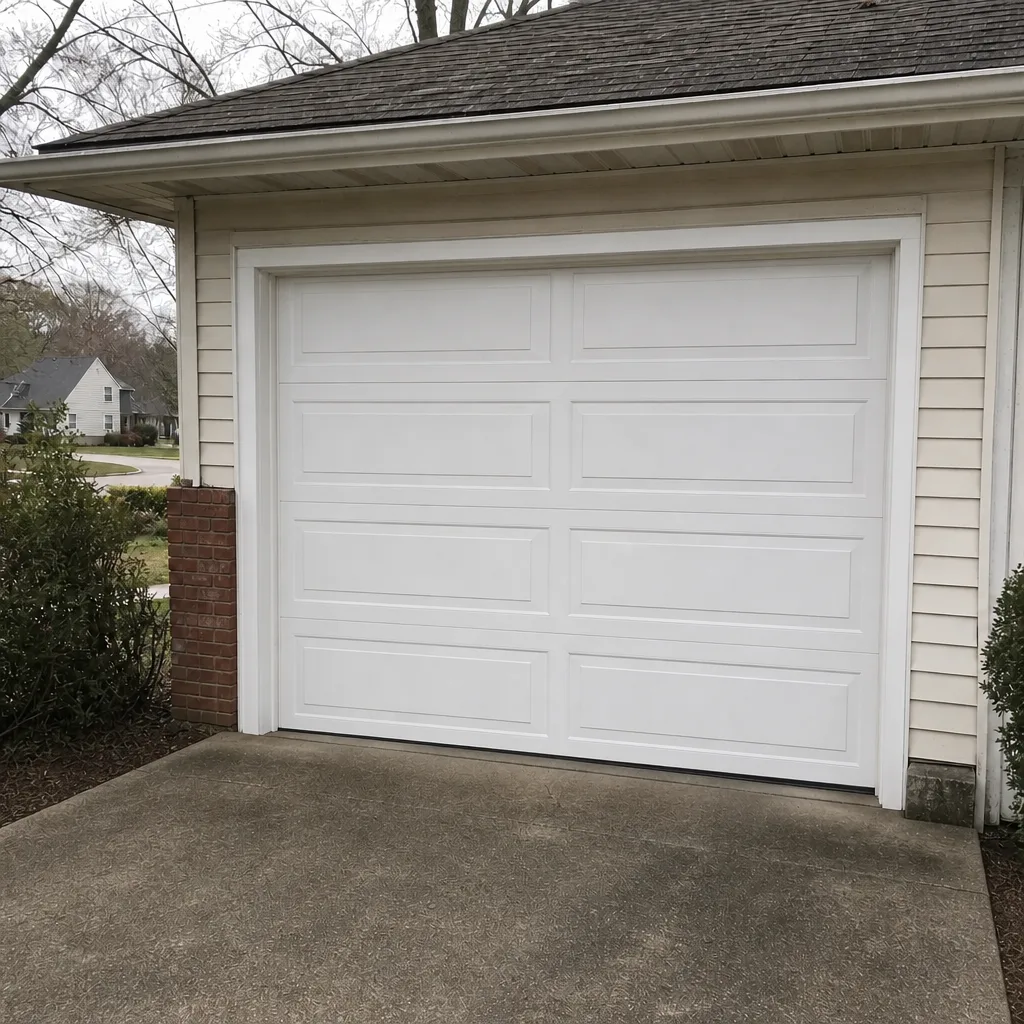
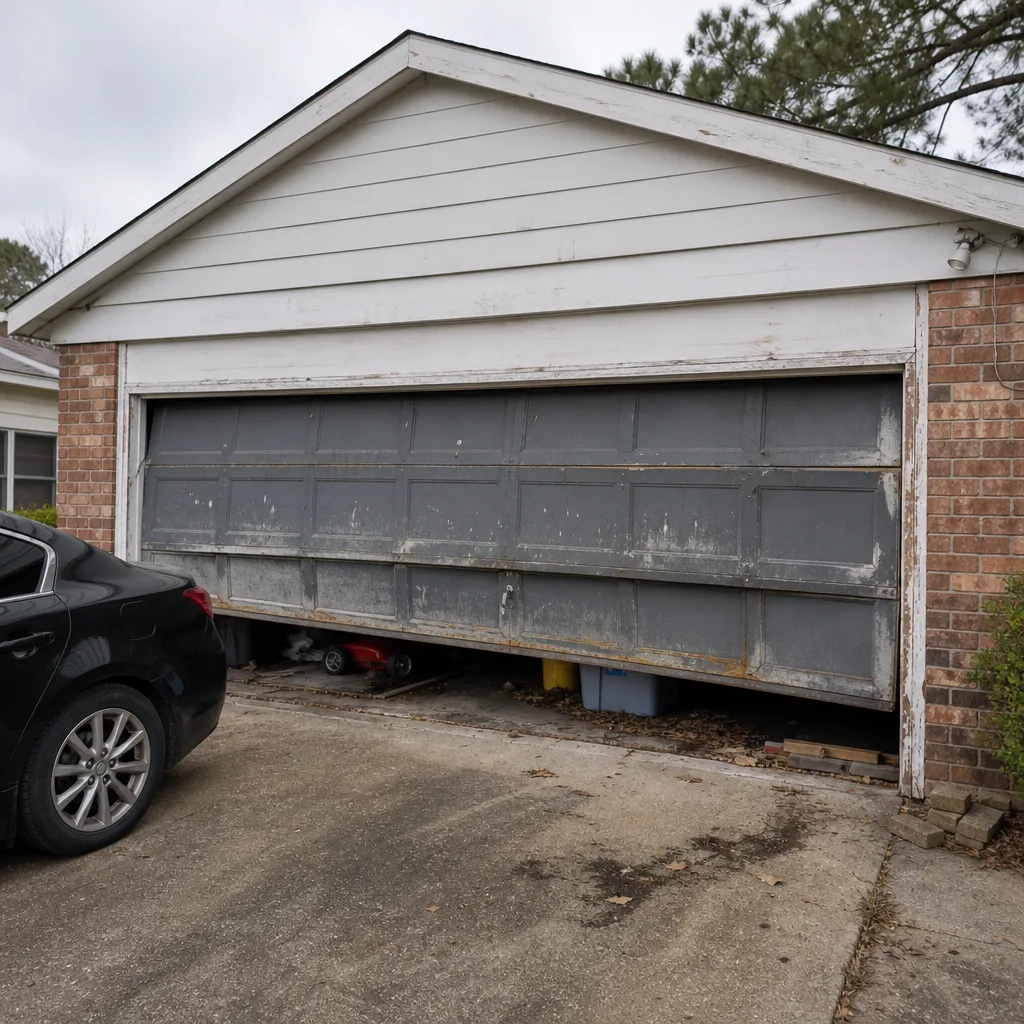
See the difference
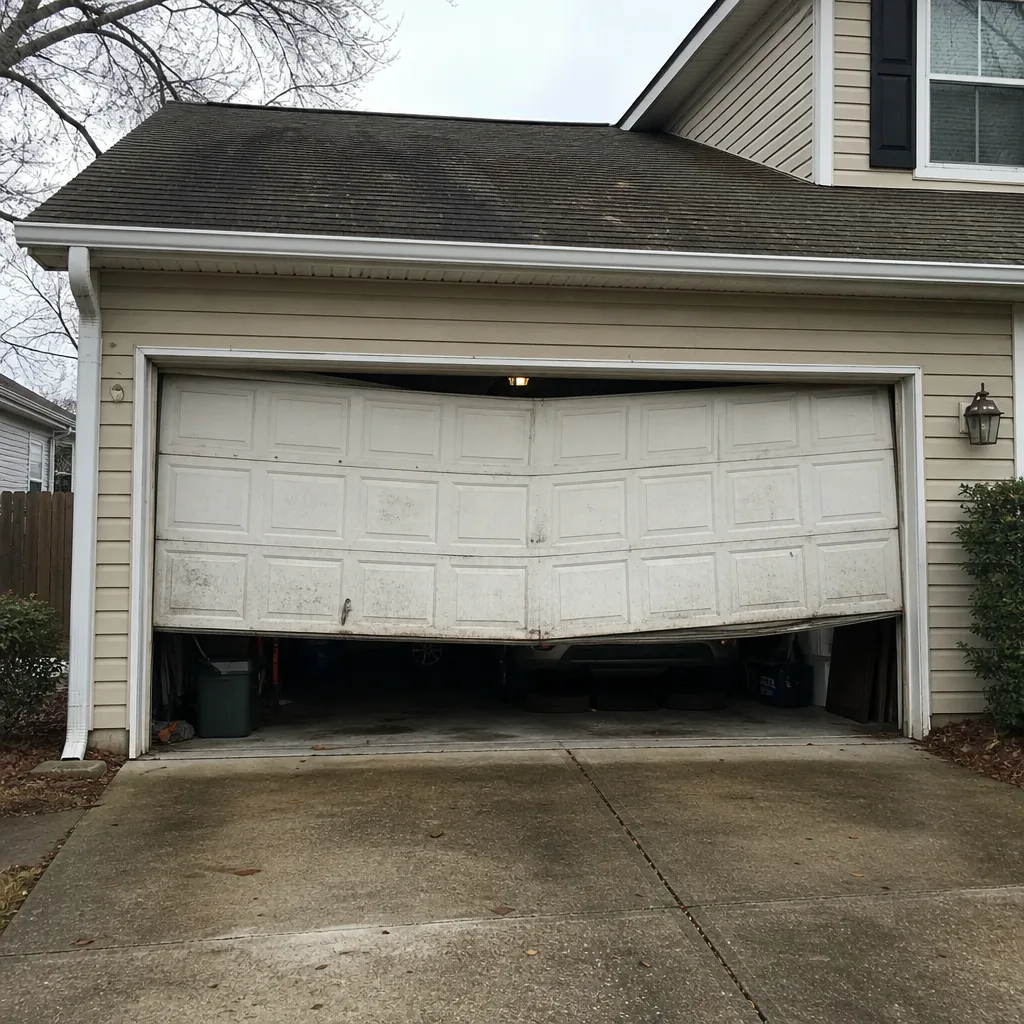 Before
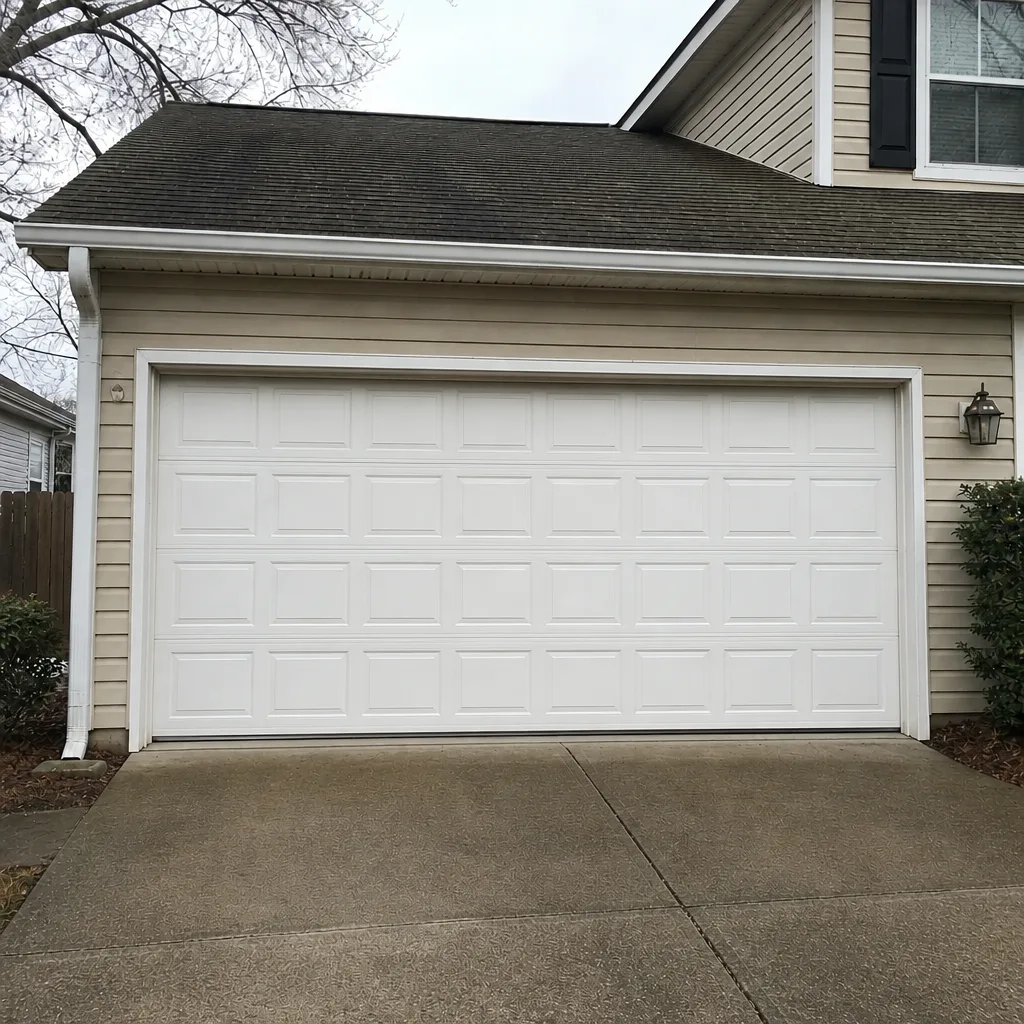 After
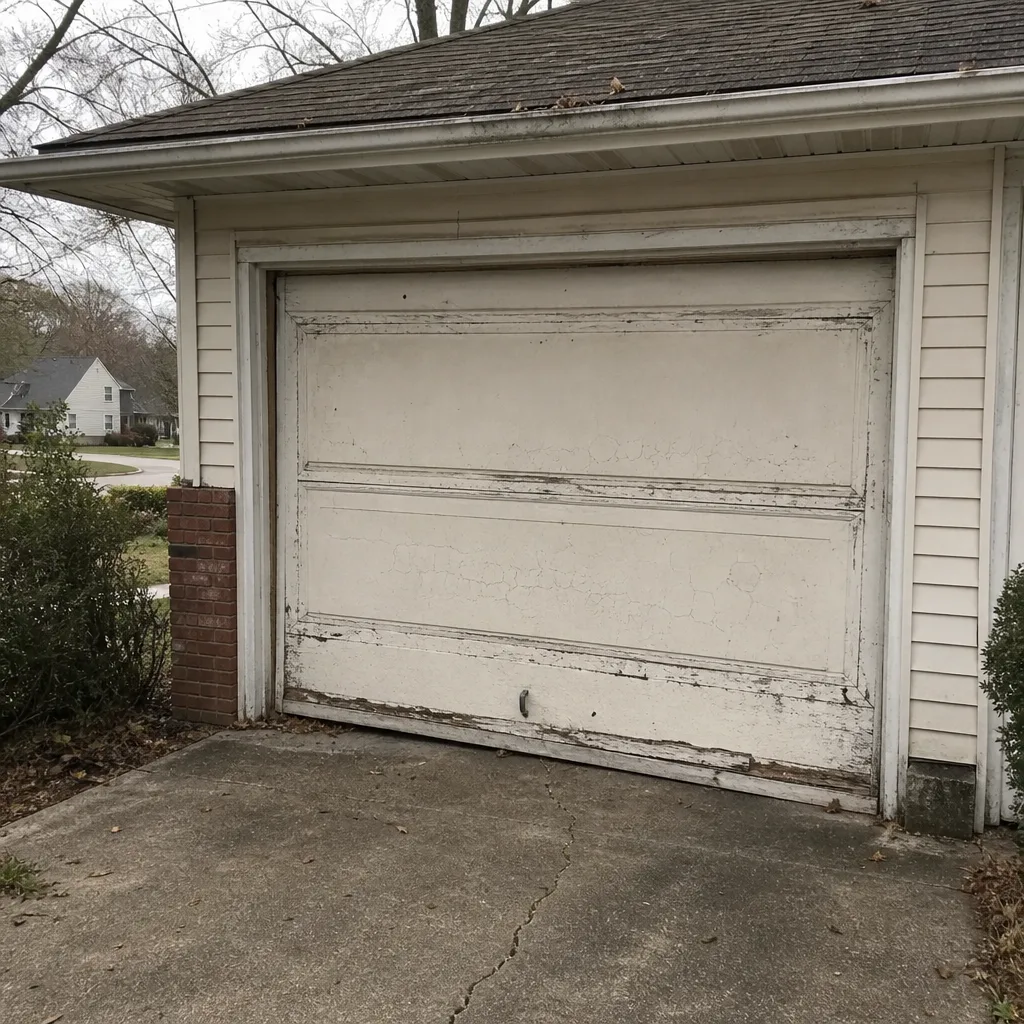 Before
 After
 Before
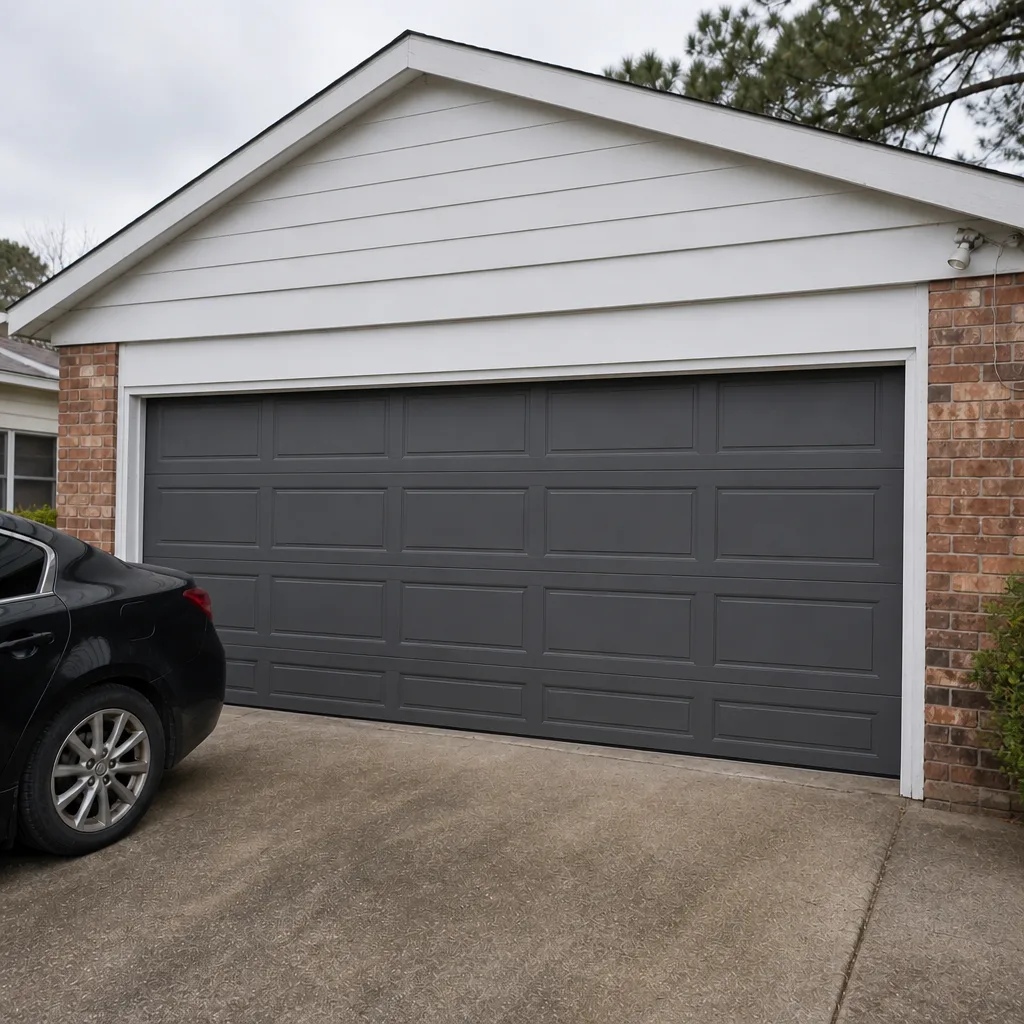 After
When to Call a Professional
Some problems are worth a call even if you’re comfortable with maintenance. If the door is out of balance, if you see a gap in the torsion spring or fraying on a cable, if the opener is straining or the door won’t seal, or if you hear a loud bang from the garage and the door won’t lift, that’s a technician’s job. The same goes for any electrical work on the opener, and any panel replacement. We work on what you already have, whether it’s a Clopay door with a Genie opener or a LiftMaster system with a newer smart connection. Our technicians have up to 11 years of experience, and they’re trained on the systems homeowners in Charleston actually have. If you’re in doubt about whether something is safe to handle yourself, call. We’ll give you a straight answer.
Loyal Garage Door Service offers free estimates in Charleston. Call (855) 745-6192. We answer 24/7. Fast dispatch from 7am to 7pm, Sunday through Friday.
Frequently Asked Questions
Every three months for hinges, rollers, and the torsion spring. Charleston’s humidity speeds up wear and can wash away thin lubricant films faster than in drier climates, so the quarterly rhythm matters here. Use silicone spray or white lithium grease, and apply lightly. Call (855) 745-6192 for an exact quote if your door needs a professional look, or if you’re not sure what shape the hardware is in. Estimates are free.
The most common cause in Charleston is a photo-eye lens coated in pollen. Wipe the lenses on both sides of the door and try again. If they’re clean and the door still won’t close, check for an obstruction under the seal or a misaligned track. If it persists, that’s a technician problem. Call (855) 745-6192 to schedule a visit. Same-day service is often available.
Yes, if your door uses a standard slide-in or nail-on seal. It’s one of the genuinely DIY-friendly jobs on the door. Buy the right height for your door, remove the old seal, and slide or nail the new one into place. If the retainer is rusted or the profile is unusual, have a technician handle it. Call (855) 745-6192 if you’re not sure which type you have. We’ll tell you straight rather than sell you a visit.
Look for a visible gap in the coil, and listen for a loud bang followed by a door that won’t lift. A rusted or worn spring is also a sign. Springs are dangerous to adjust or replace yourself. If you see anything wrong, stop using the door and call a technician. We repair springs as part of our garage door repair service, and we can often schedule same-day.
Silicone-based spray for hinges, rollers, and the spring, and white lithium grease for chain or screw-drive openers. Both hold up in humidity without attracting dirt. Avoid motor oil and general-purpose grease, because they collect grit and turn tracks into a sticky mess. Call (855) 745-6192 for an exact quote on a maintenance visit if you’d rather have it handled by a trained technician.
Yes. We’re trained across eight major brands, including LiftMaster, Chamberlain, Genie, Clopay, Amarr, Wayne Dalton, Craftsman, and Raynor. That means older Craftsman and Wayne Dalton systems get the same attention as newer smart openers. Call (855) 745-6192 to book. We answer 24/7. Fast dispatch from 7am to 7pm, Sunday through Friday.
The Bottom Line
Garage door maintenance in Charleston isn’t about following a national checklist. It’s about knowing which components take the hardest hit from local humidity, pollen, and sandy runoff, and checking those on the schedule they actually need. Monthly five-minute walk-arounds, quarterly lubrication and balance tests, and a seasonal trigger system tied to hurricane season, summer heat, and winter cold will keep a door running smoothly for years. The line between DIY and technician work is clear: the spring, cables, balance, and opener electrical work always belong with a trained technician. Everything else is fair game for a homeowner with a can of silicone spray and five minutes.
Loyal Garage Door Service works on what you already have, whether it’s a LiftMaster opener or a Clopay door. One call covers the door hardware and the opener system, so you’re not juggling two companies for one problem. For a free estimate in Charleston, call (855) 745-6192. We answer 24/7. Fast dispatch from 7am to 7pm, Sunday through Friday. When it’s time for a repair or an installation, our Loyal Garage Door Service team is ready to help.
Written by the team at Loyal Garage Door Service.
Internal links used: Loyal Garage Door Service, garage door repair, garage door opener repair, Charleston