
Last updated November 15, 2026
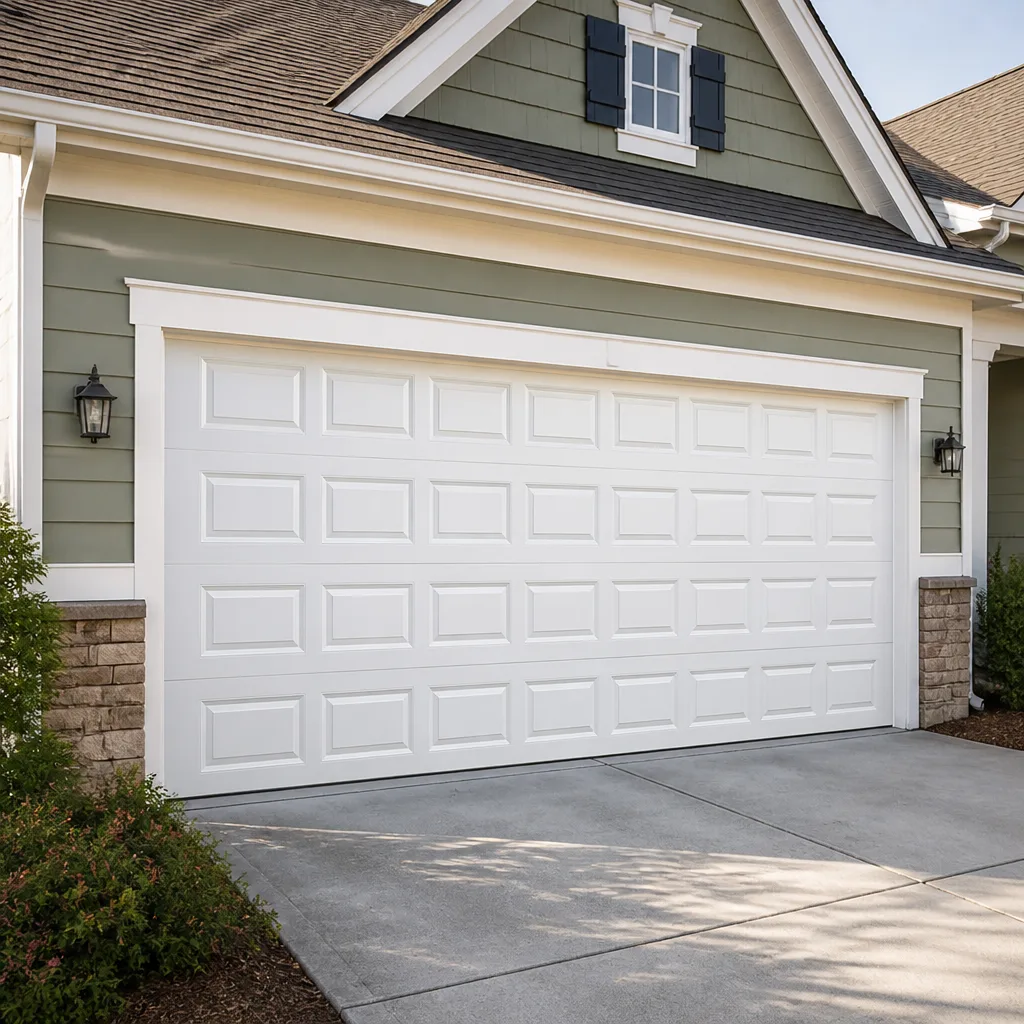 Raised-panel steel
 Carriage house
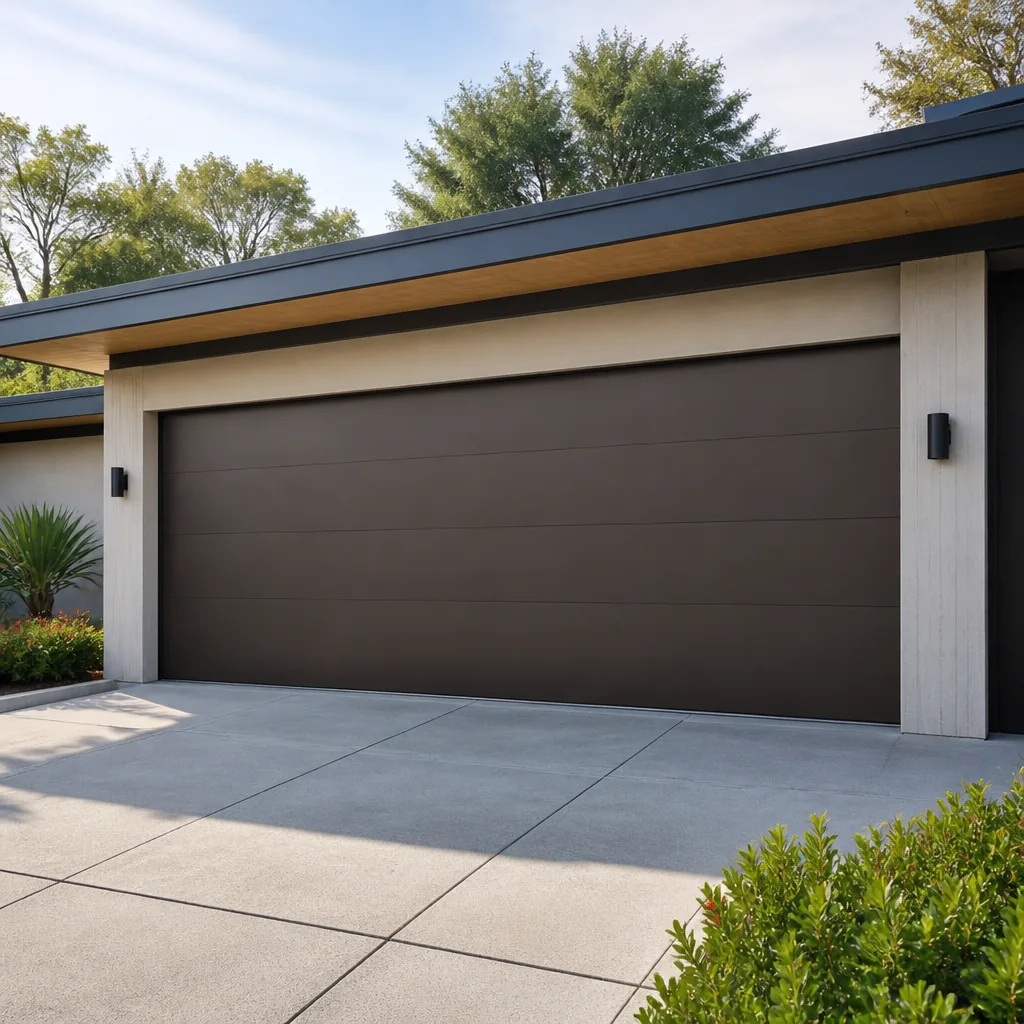 Modern flush
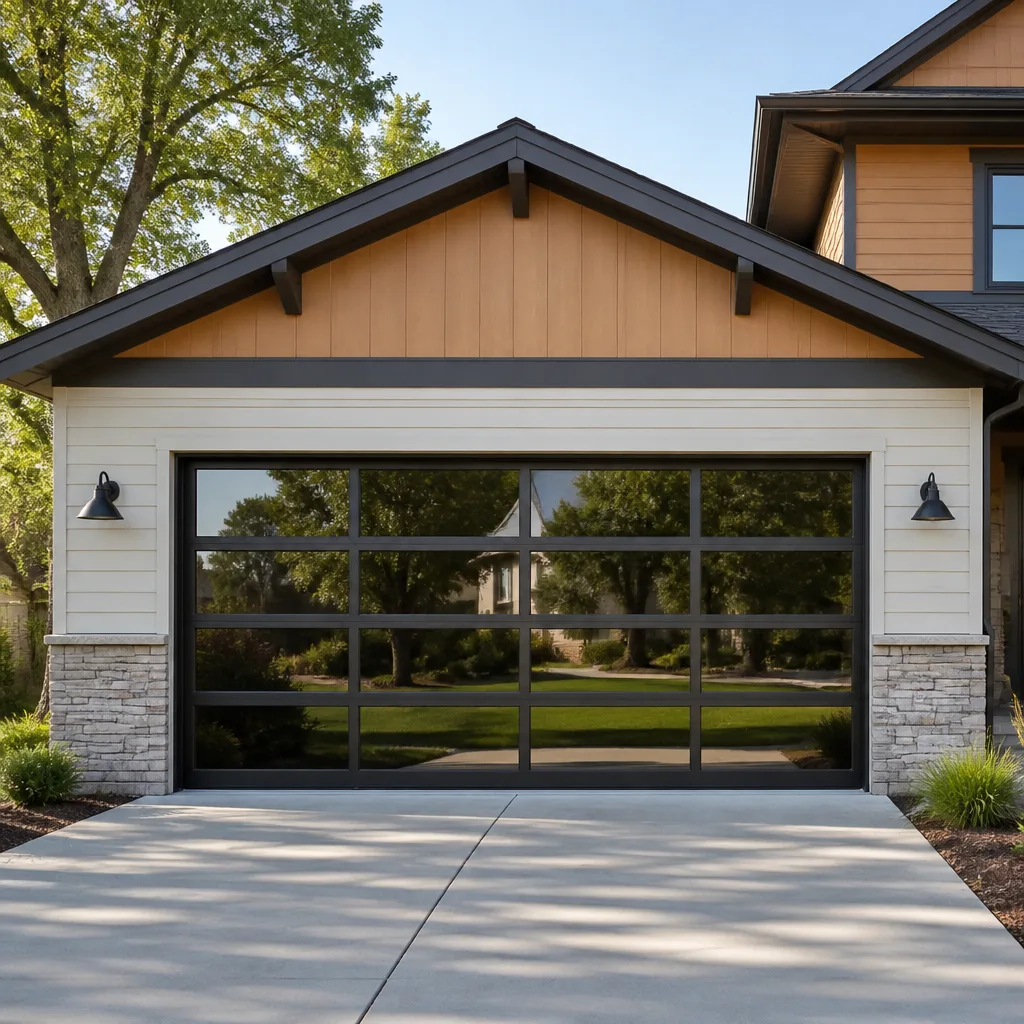 Full-view glass
 LiftMaster openers
 Chamberlain openers
Full 25-point door and opener safety check with every visit - springs, cables, rollers, tracks, and your LiftMaster or Chamberlain opener included
You get a price before we start. It does not change when the pro arrives.
Get your free estimateGarage Door Repair Maintenance Schedule: What to Do and When
One coat of lubricant every spring isn’t a maintenance schedule. It’s a hope strategy.
Most homeowners treat the garage door like an appliance: it works, so you ignore it, until one morning it groans halfway up and stops. In Charleston, that mystery failure is rarely a mystery. Our humidity runs high for months, summer heat softens what winter stiffened, and the temperature swings between seasons work on springs, rollers, and seals the way a pump handle works on a well. The door you rely on every single day is a mechanical system with moving parts that wear on a clock you can’t see. What you’ll find here is a season-by-season schedule built around what Charleston weather actually does to a door, exactly which lubricant goes where, three measurements you can take yourself, and a maintenance log simple enough that you’ll actually keep it.
Styles & brands we work with
- Raised-panel steel
- Carriage house
- Modern flush
- Full-view glass
- LiftMaster openers
- Chamberlain openers
Quick Answer
A garage door in Charleston needs attention roughly four times a year, not once: a full tune-up in spring before storm season, a humidity and hardware check in mid-summer, a weather-seal inspection after hurricane season ends, and a contraction and balance adjustment when cooler weather arrives in late fall or winter. Between those visits, monthly checks of lubrication, balance, and seals catch most wear before it becomes a repair. Lubricant goes on hinges, rollers, and the opener’s chain or screw drive, and never on the springs or the tracks.
Table of Contents
- Why Charleston Doors Need a Seasonal Schedule, Not an Annual One
- Spring: The Pre-Season Tune-Up Before Hurricane Season
- Summer: Humidity Checks and Hardware Inspection
- After Storm Season: The Weather Seal Most People Ignore
- Winter: Contraction, Balance, and Reversal Testing
- Which Lubricant Goes Where (and What Never to Spray)
- Three Measurements You Can Take Yourself
- The Maintenance Log: Why Tracking Catches Wear Early
- Common Mistakes to Avoid
- When to Call a Professional
- Frequently Asked Questions
- The Bottom Line
Why Charleston Doors Need a Seasonal Schedule, Not an Annual One
A calendar-year tune-up makes sense in a place where the weather changes slowly and evenly. Charleston doesn’t work that way. The door that feels fine in April can start binding in August, not because anything broke, but because the humidity swelled the wood jamb, the heat loosened the tolerances in the opener carriage, and the rollers that rolled freely in spring now resist. Then the first cold snap in November tightens everything back up and the door starts slamming or reversing for no reason you can see.
Those swings are the core of the problem. Metal contracts and expands. Wood swells and shrinks. Lubricant thins in heat and thickens in cold. Every one of those changes affects how a torsion spring carries the door’s weight. A spring is wound to balance a door at a specific tension, and when the door’s weight shifts even slightly with moisture or temperature, that balance drifts with it.
There’s a second reason for a seasonal schedule in Charleston. Late spring and summer here mean hurricane season, and a garage door is the largest opening in most homes. A door that’s off-track, missing a roller, or running with a failing spring is not the door you want on the side of the house taking wind load. Pre-season prep isn’t a sales pitch. It’s the same logic as trimming trees before a storm instead of after.
So the schedule below is built around Charleston’s actual weather rhythm: prep in spring, monitor through the humid middle, inspect after storm season, and adjust when the cold arrives. Four touch points a year, plus small monthly checks you can do in five minutes. It’s a rhythm, not a project.
Spring: The Pre-Season Tune-Up Before Hurricane Season
Spring in Charleston is the window to catch anything that winter left behind and get the door into its best shape before the hot, humid months and hurricane season arrive. This is the once-over that matters most, and it’s a good time to bring in a technician if you haven’t had a professional look at the door in a while. Here’s what a spring tune-up covers:
- Balance test. Disconnect the opener and lift the door by hand to about waist height. A balanced door stays put. One that drifts down or rises on its own is telling you the spring tension is off.
- Visual hardware inspection. Look at every hinge, roller, and bracket for cracks, loose bolts, or rust. Rust matters more here than in dry climates because the humidity accelerates it.
- Roller check. Steel rollers wear flat spots; nylon rollers crack. Roll each one and listen. A grinding roller is on its way out.
- Track alignment. Tracks should be straight, clean, and evenly spaced. A dented track drags the rollers and stresses the opener.
- Opener force and travel check. Test the safety reverse, adjust travel limits if the door doesn’t fully close, and confirm the opener isn’t straining.
- Weather seal review. Check the bottom seal and the side and top seals before storm season. Any gap is a place water and wind get in.
- Lubricate the right parts. Hinges, rollers, and the opener’s chain or screw drive. Not the springs, not the tracks.
- Look up. Inspect the springs, cables, and center bearing plate. If a spring looks stretched, gapped, or has visible wear, stop and call a professional. High-tension torsion springs and the cables under load are dangerous, and adjusting them is not a homeowner task.
This pre-season pass takes a technician maybe an hour on a typical door. If you have a Clopay or Amarr steel door with a standard torsion setup, the balance and hardware check is straightforward. Doors with unusual geometry or older hardware take a little longer, but the list is the same. Getting this done before the heat arrives means you’re not troubleshooting a stuck door in August.
Summer: Humidity Checks and Hardware Inspection
Charleston summers are the stress test. Relative humidity stays high for months, and the door lives in a space that’s often hotter and more humid than the rest of the house. What that does to a door is predictable:
- Wooden jambs and frames swell. A door that closed cleanly in April can start rubbing its frame by July. If you’re hearing a scrape on one side, the frame has likely swelled, not moved.
- Metal expands. Section joints can loosen slightly, and hinges can work their way loose as everything shifts.
- Lubricant thins and migrates. Light household oils thin out in the heat and drip off the parts they were supposed to protect, leaving hinges and rollers dry by August.
- Rubber seals get soft and tacky. A bottom seal that’s been in the sun can start to stick to the threshold or crack along its edge.
- The opener works harder. Increased rolling resistance means more strain on the opener motor, especially on older units with worn gears.
A mid-summer check isn’t a full tune-up. It’s a 15-minute look: listen to the door open and close, look for loosened bolts at the hinges, feel the bottom seal for softness or cracking, and re-lubricate the moving metal parts if they feel dry. If the door is on a LiftMaster or Chamberlain opener, the safety reverse test is easy to run and worth doing once a month while the heat is on.
This is also the season when people notice their opener starting to labor. If you have a garage door opener repair question in July, it’s often about the opener doing more work than it should because the door itself has gotten stiff. Sometimes the fix is at the door; sometimes it’s the opener. A technician can tell you which.
After Storm Season: The Weather Seal Most People Ignore
The bottom weather seal is the part of the door that takes the most abuse and gets the least attention. It sits against the threshold, takes the full force of rain driving under the door, collects grit, and quietly dries out or tears. Most homeowners don’t think about it until water is already pooling on the garage floor.
After storm season, inspect it properly:
- Look at the seal from the outside. With the door closed, check the entire length of the bottom seal for cracks, tears, flattening, or sections that have pulled away from the retainers.
- Close the door on a sheet of paper. Slide the paper along the bottom edge. If it slides out freely anywhere, the seal isn’t making contact there and water will follow the same path.
- Check the side and top seals. The trim seals around the opening do the same job on the edges. Look for gaps where they’ve pulled away from the frame.
- Clean the seal and threshold. Dirt and grit trapped under the seal hold moisture and wear the rubber faster. Wipe the seal with a mild soap solution and clear debris from the threshold with a brush.
- Check the seal’s retainers and fasteners. The metal or plastic retainers that hold the seal in place can loosen over time as the door flexes. Tighten loose fasteners and replace any that are rusted.
- Replace the seal if it’s cracked, hard, or flattened. A new bottom seal is an inexpensive part and one of the highest-value maintenance jobs on a door.
While you’re out there, run your hand along the door’s panels and look for dents or impact damage from debris. Storm-blown branches can dent a steel panel without cracking anything structural. If a panel is bent badly enough to bind, it may need to be addressed before the next season starts.
Charleston’s storm season is the reason this inspection sits where it does on the calendar. You prep before the season and repair before the next one. The seal is what tells you whether the door came through it intact.
Winter: Contraction, Balance, and Reversal Testing
When the cool weather arrives, everything that swelled in summer tightens up. Metal contracts. Wooden jambs shrink back. A door that rubbed its frame in August usually stops rubbing by December. But contraction brings its own set of changes.
The one that catches people is balance. A spring wound to carry the door at summer tension changes character as the door’s weight settles with the cold. If your door has started slamming down, stopping short, or reversing mid-travel, the balance has shifted. That’s a signal to test the door by hand, not to assume the opener is at fault.
Winter is also the season to test the safety reverse and force settings. The reverse test is simple: lay a roll of paper towels flat under the door’s path and close the door. It should reverse on contact. If it doesn’t, stop using the door until the opener is adjusted. A door that doesn’t reverse is a serious safety problem.
Here’s what each winter item covers:
- Balance test with the opener disconnected, door at waist height, checked for drift.
- Reversal test with an object under the path, per the opener manufacturer’s method, which is described in the manual and varies a bit between LiftMaster, Chamberlain, Genie, and Craftsman units.
- Force settings reviewed so the opener isn’t compensating for a stiff door by pushing harder.
- Weather seal and threshold checked again now that summer’s sticking is gone; a seal that behaved in the heat can crack in the cool.
- Hinge and hardware torque rechecked after the summer’s expansion loosened things.
- Track and roller condition spot-checked for anything that shifted with the cold.
Winter is also a good time to look at the opener’s drive system. Older Wayne Dalton and Craftsman units are common on doors that were installed years ago, and their belts, chains, or screw drives need the same seasonal attention the door itself gets. If something sounds wrong, garage door repair in Charleston covers the full door-and-opener system in one visit, which saves you hunting for two different companies.
Which Lubricant Goes Where (and What Never to Spray)
This is where well-intentioned maintenance does real damage.
Never spray WD-40 or any general-purpose household oil on the springs or the tracks.
WD-40 is a solvent, not a lubricant, and it was never formulated for the pressures inside a garage door. On a torsion spring it does two harmful things: it strips away whatever protective lubricant was there, and it dissolves the surface oil that keeps the spring from attracting grit. Springs are wound tight and under constant load. A dry, solvent-cleaned spring collects dust and grime that finds its way into the coils and accelerates wear. On tracks, WD-40 leaves a residue that grabs dirt, and a dirty track drags on the rollers. That’s the opposite of what you want.
Here’s the right map:
- Hinges: a light lithium grease or a garage-door-specific spray lubricant, applied at the pivot points.
- Rollers: a few drops at the roller stem where it meets the hinge, not on the wheel face that rolls in the track. Nylon rollers need less oil than steel but still benefit from a small amount at the stem.
- Opener chain or screw drive: chain-drive openers want a chain lubricant or a light grease; screw drives want a specific screw-drive grease; belt drives want nothing on the belt itself. Check your opener manual since LiftMaster, Chamberlain, Genie, and Craftsman each have their own recommendation.
- Springs: a small amount of garage-door-specific spring lubricant applied at intervals to keep dust off. If you’re not sure what product to use, skip it and let a technician handle it at your seasonal visit.
- Tracks: nothing. Wipe them clean with a dry cloth. They’re designed to be dry.
The overall rule is: lubricate the moving metal, keep the springs lightly protected, and leave the tracks dry. If you take away only one thing from this guide, take that.
Three Measurements You Can Take Yourself
You don’t have to guess whether your door needs a professional visit. Three simple checks tell you whether the door is behaving normally or drifting out of adjustment. None of them involve touching the springs or cables.
- Gap consistency along the bottom seal. Close the door and look at the gap under the bottom seal at several points. It should be even along the whole width. A gap that’s tight on one side and wide on the other means the door isn’t sitting level. You don’t correct that yourself; you note it and call.
- Reversal sensitivity. Use the test the opener manufacturer describes in the manual. With the door on its way down, an object in its path should trigger a reversal. If it doesn’t reverse, or reverses late, the opener’s force settings or safety sensor alignment are off. Stop using the door and get it looked at.
- Manual lift weight. Disconnect the opener and lift the door by hand. It should lift easily and stay at waist height when you let go. If it takes real effort to lift, or it falls when you release it, the spring balance is wrong.
Write the results down when you take them. Three measurements logged once a month is the cheapest early-warning system you have. A door’s weight and gap don’t change much between checks unless something is wearing. When those numbers start moving, you’ve caught a problem while it’s still small.
The Maintenance Log: Why Tracking Catches Wear Early
Nobody remembers when they last lubricated the hinges. That’s the whole problem with preventive maintenance. Without a record, you rely on memory. With a record, you can see a trend.
Keep it simple. A single page pinned to the garage wall or a note on your phone with these columns:
- Date of each task or check
- Task (balance test, lube, seal inspection, reversal test, etc.)
- Result (normal, or what you noticed)
- Action taken (nothing, or “called for service”)
That’s it. The value comes when you look back at three months of results and see a pattern. If your balance test was fine in April, drifted in June, and was off again in August, the door’s tension is changing faster than normal. That’s a sign of an aging spring, a worn roller, or a hinge issue. If your bottom seal gap was even all year and started widening in October, the door’s alignment shifted and needs a look.
Wear is usually gradual, which is why it’s invisible. A single measurement tells you what today looks like. A log tells you the rate at which it’s changing. Catching a spring at 70 percent of its life instead of waiting for it to break means you schedule the repair rather than dealing with a dead door on a weekday morning when your car is inside.
If you’re keeping a log and you notice the door’s behavior changing in a way that doesn’t fit the pattern, that’s your signal to call. A technician can check the balance, spring condition, and hardware in one visit and tell you what’s actually happening.
Common Mistakes to Avoid
- Spraying WD-40 on springs and tracks. It feels like maintenance but strips the spring’s protective lubricant and leaves a sticky film on the tracks that grabs dirt and drags the rollers. Use a proper lubricant and keep the tracks dry.
- Replacing a door when a repair would do. A technician who knows your door’s brand can tell the difference between a worn roller, a tired spring, and a problem that actually needs replacement. In our experience, a lot of “it’s the whole door” diagnoses turn out to be a single worn part.
- Ignoring the bottom seal until water gets in. The seal takes the worst abuse in Charleston’s weather and is one of the cheapest parts to replace. Waiting until the garage floor is wet means you’ve already had a leak.
- Skipping the reversal test after adjusting force settings. If someone bumps up the opener’s force so the door will close, the safety reverse needs to be re-tested. A door that won’t reverse is a hazard to anything in its path.
- Leaving track dents unrepaired. A small dent in the track drags the rollers and makes the opener work harder. Left alone, it wears the rollers and can pull the door off alignment.
- Assuming a one-brand shop will handle your older door. If you have a Wayne Dalton or Craftsman system and get turned away by a shop that only carries one brand, you’ve lost a maintenance cycle. A brand-agnostic technician works on what you already have.
- Doing annual maintenance instead of seasonal. A single tune-up a year doesn’t account for the humidity of a Charleston summer or the contraction of winter. The season-to-season rhythm is what keeps a door in balance.
When to Call a Professional
Most of the schedule above is designed for you to do yourself. But some situations call for a trained technician, and knowing where that line is saves you trouble.
Call when a spring looks stretched, gapped, or broken. Call when the door is off its tracks, or when a track is bent badly enough that the door won’t run straight. Call when the door falls rather than holds at waist height, or when you need real effort to lift it. Call when the safety reverse doesn’t work after a force adjustment, or when the opener is grinding, humming without moving, or reversing for no reason. Call when you see cable wear or fraying. And call if you’re just not sure what you’re looking at. None of that is a do-it-yourself problem.
A spring or cable under tension can cause serious injury if handled incorrectly. This is the one part of garage door maintenance where a trained professional isn’t a recommendation, it’s the only safe option.
If you’re in the Charleston area and your door’s schedule has drifted, we’re here. Loyal Garage Door Service offers free estimates in Charleston, and we handle both the door hardware and the opener system in one visit. We’re trained across LiftMaster, Chamberlain, Genie, Clopay, Amarr, Wayne Dalton, Craftsman, and Raynor, so we’re not guessing when we arrive. Call (855) 745-6192. We answer 24/7. Fast dispatch from 7am to 7pm, Sunday through Friday.
Frequently Asked Questions
Four times a year is the right rhythm in Charleston, roughly once per season, plus monthly five-minute checks of lubrication, balance, and seals. The humidity and temperature swings here wear parts faster than the annual tune-up most guides suggest. Spring is the pre-season tune-up, summer is a humidity and hardware check, fall is the post-storm weather seal inspection, and winter is for contraction and balance adjustments. If your door gets heavy use, like a family coming and going through it daily, err on the side of more frequent checks.
Use a garage-door-specific spray lubricant or light lithium grease on hinges and at the roller stems, and a chain or screw-drive lubricant on the opener, matching the product to the drive type. Never use WD-40 on the springs or the tracks; it strips the spring’s protective oil and leaves a sticky residue that grabs dirt on the tracks. Springs can take a small amount of spring-specific lubricant, and the tracks should stay dry. Call (855) 745-6192 if you’re not sure what your opener’s manual recommends; estimates are free.
Cold weather causes metal to contract and the door’s spring balance to shift, which usually means the door is running heavier or lighter than when the spring was set. That imbalance can make the door slam, stop short, or reverse unexpectedly. The cause is often an aging spring or a worn roller rather than the opener itself. It’s worth a service call to check the balance properly. Call (855) 745-6192 for a free estimate in Charleston.
No. Torsion springs are under high tension and adjusting them is one of the most dangerous jobs on a home, one that can cause serious injury if a winding bar slips or a spring releases unexpectedly. Springs and cables are the one part of garage door maintenance that should always go to a trained technician. Everything else on the schedule, like lubrication, seal checks, and the three simple measurements, is safe to do yourself. Call (855) 745-6192 to have a technician handle anything involving springs or cables.
Maintenance handles lubrication, seal care, and visual checks, while repair is needed when the door’s balance, alignment, or safety functions have drifted. Use the three measurements: if the bottom gap is uneven, the reversal test fails, or the door won’t hold at waist height when lifted, those are repair signals, not maintenance items. A spring that’s stretched, gapped, or broken, a door off its tracks, or a track that’s bent also mean a call. If you take the measurements and the numbers are moving faster than your log shows in past months, that’s a sign to have it checked. Call (855) 745-6192 for a free estimate.
Yes, and often more of it. Older openers have more wear on their gears and drive components, and their lubrication needs may differ from newer smart openers. Wayne Dalton and Craftsman systems are both common in Charleston, and they’re systems we work on regularly. Use your owner’s manual for the specific lubrication schedule, and if you don’t have the manual, a technician can check the drive type and tell you what it needs. A brand-agnostic technician can service what you have rather than pushing a replacement; call (855) 745-6192 to book a check.
The Bottom Line
A garage door is a mechanical system under constant load, and in Charleston’s climate it wants attention more often than once a year. Build the rhythm: a spring tune-up before hurricane season, a humidity and hardware check in mid-summer, a weather seal inspection after storm season, and a balance and reversal adjustment in winter. Keep the tracks dry, lubricate the right parts, and never spray WD-40 on springs or rails. Take the three measurements monthly and write them down, because the trend tells you more than any single check. And when anything touches a spring, a cable, or the tracks, that’s a job for a trained professional.
If your door’s schedule has lapsed, we can help you catch up. Call (855) 745-6192 for a free estimate. We answer 24/7. Fast dispatch from 7am to 7pm, Sunday through Friday. One call covers the door and the opener, and we’re opener repair specialists as much as we are door repair specialists. Loyal to the job, and loyal to you.
Written by the team at Loyal Garage Door Service.
See the difference
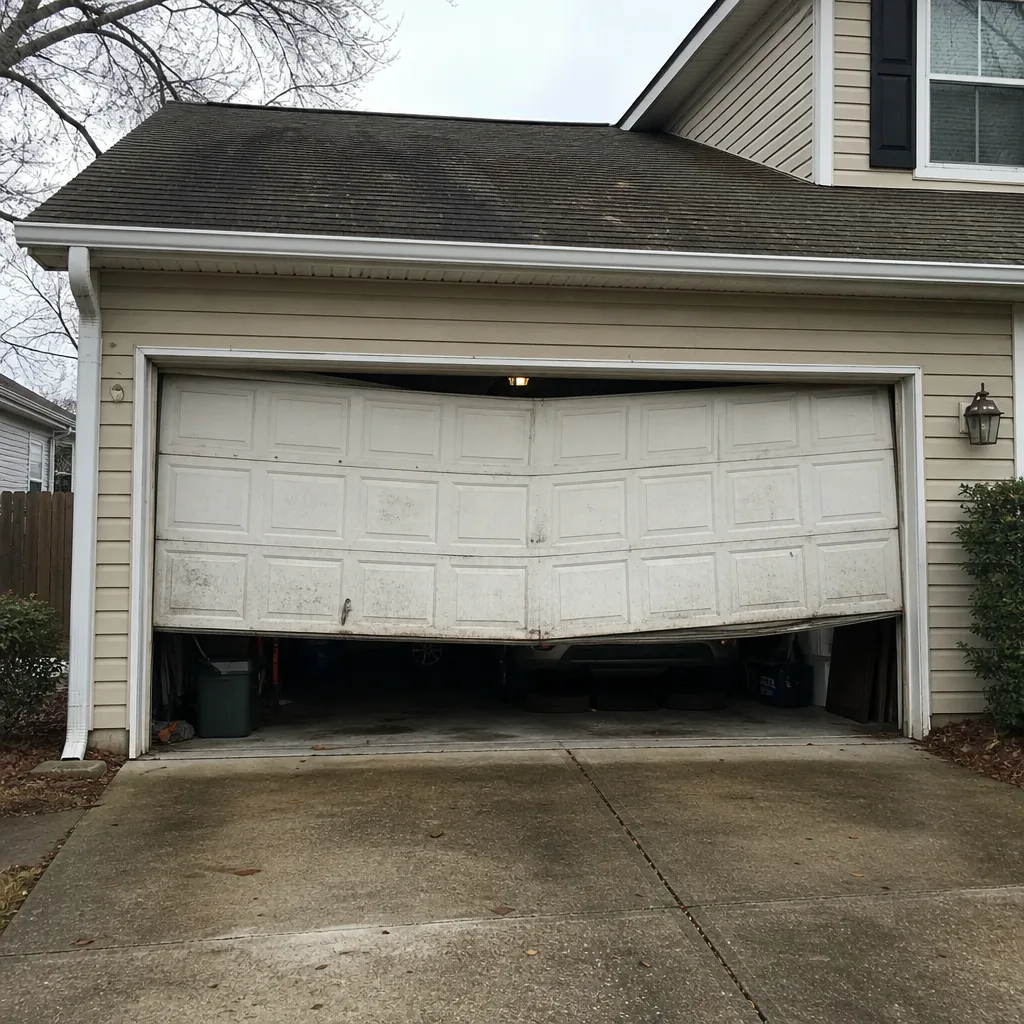 Before
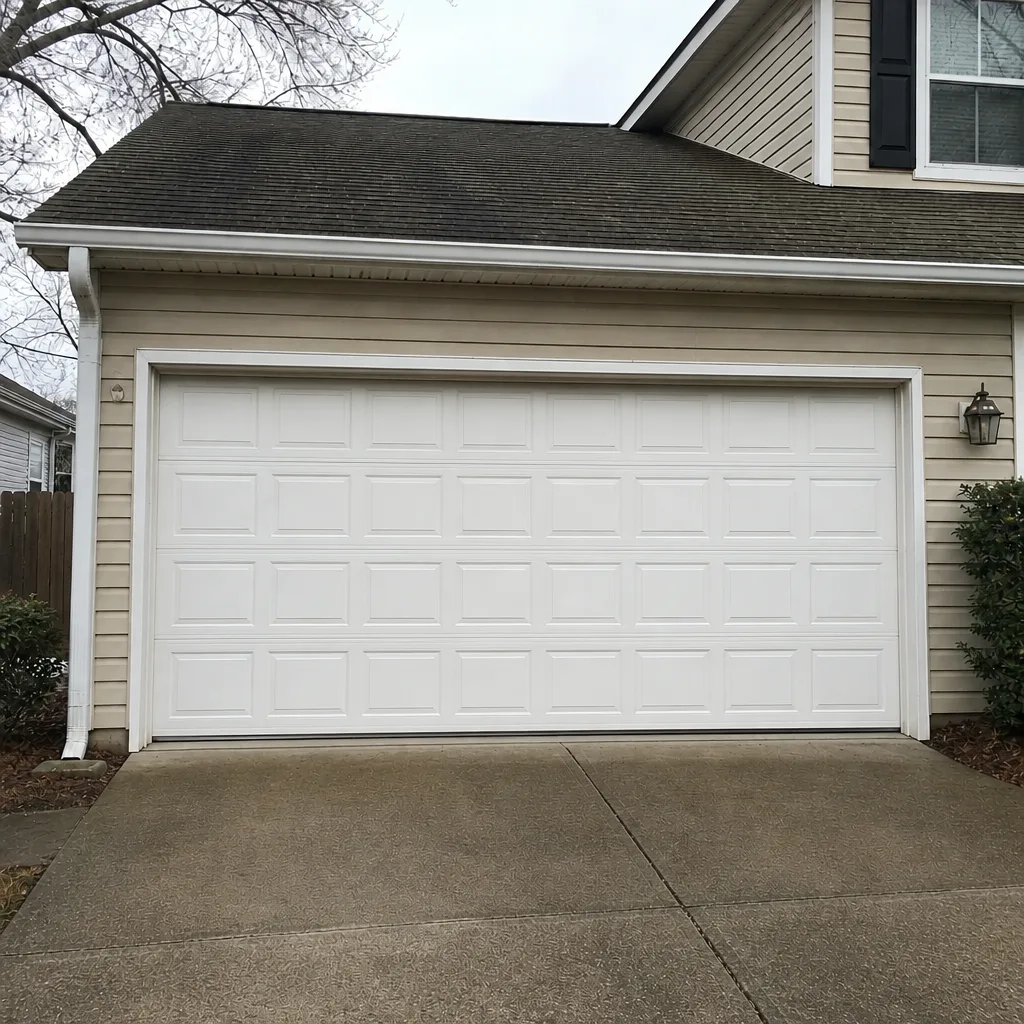 After
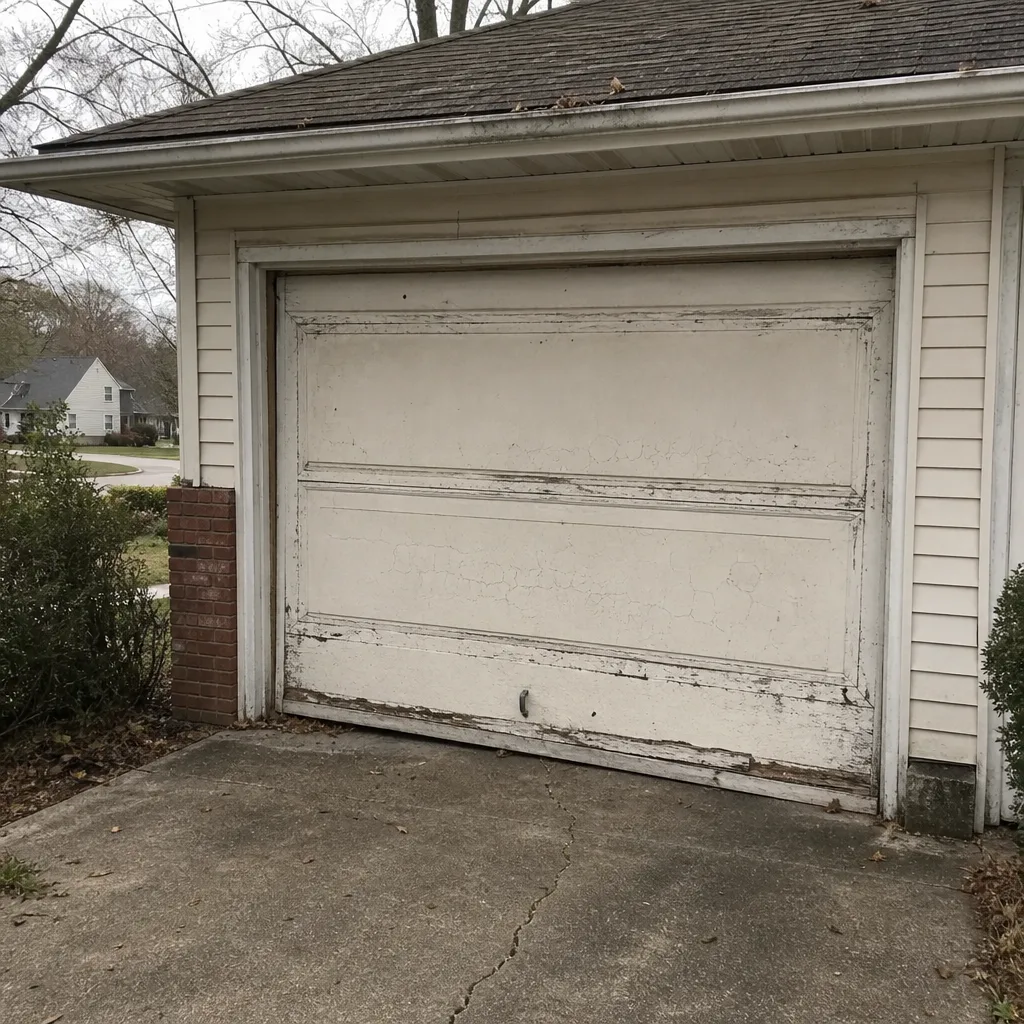 Before
 After
 Before
 After