
Last updated November 15, 2026
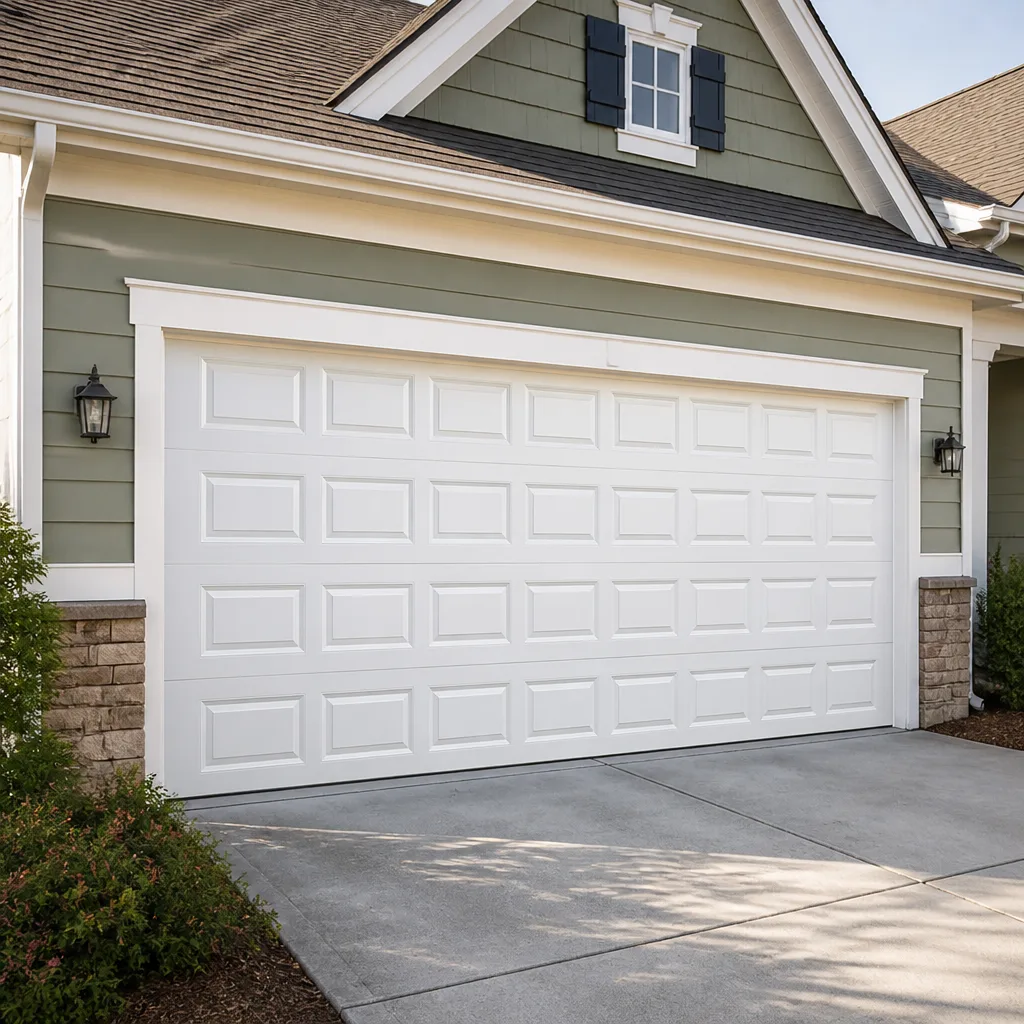 Raised-panel steel
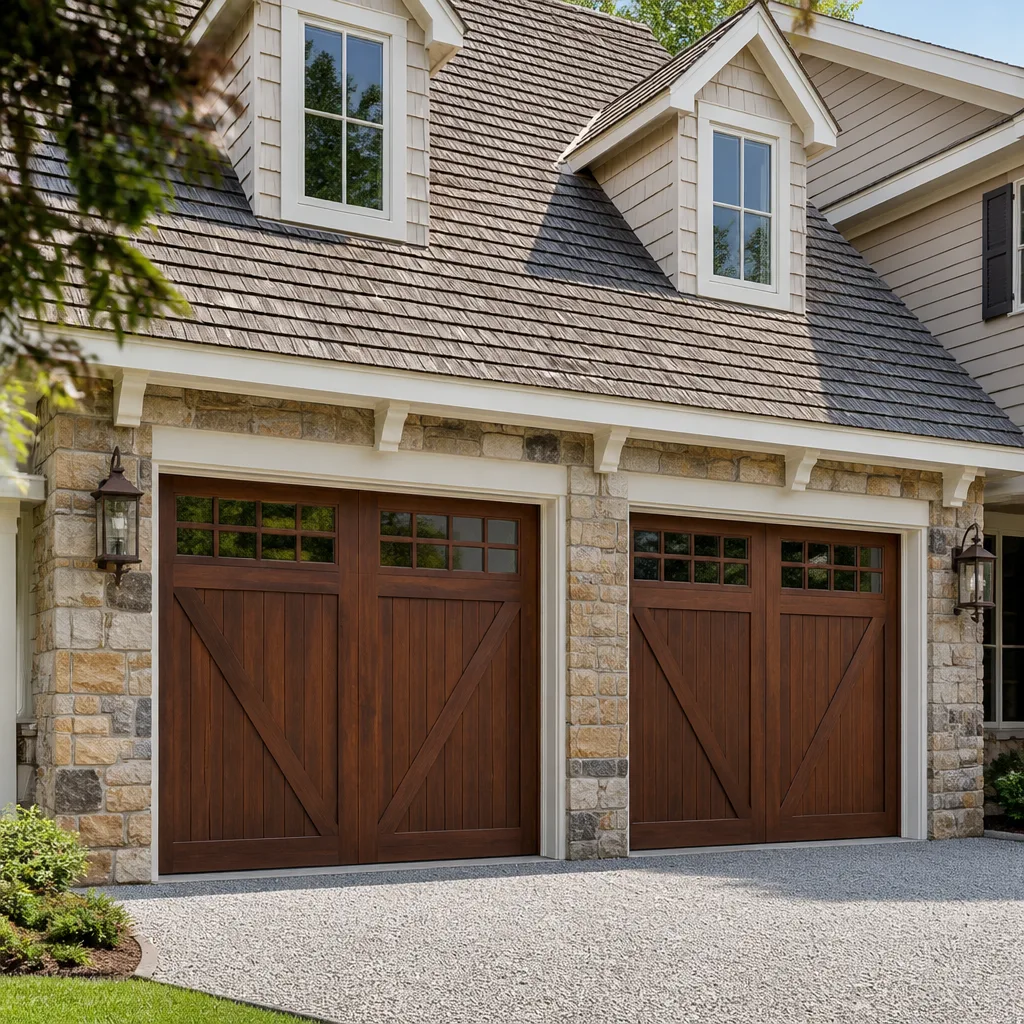 Carriage house
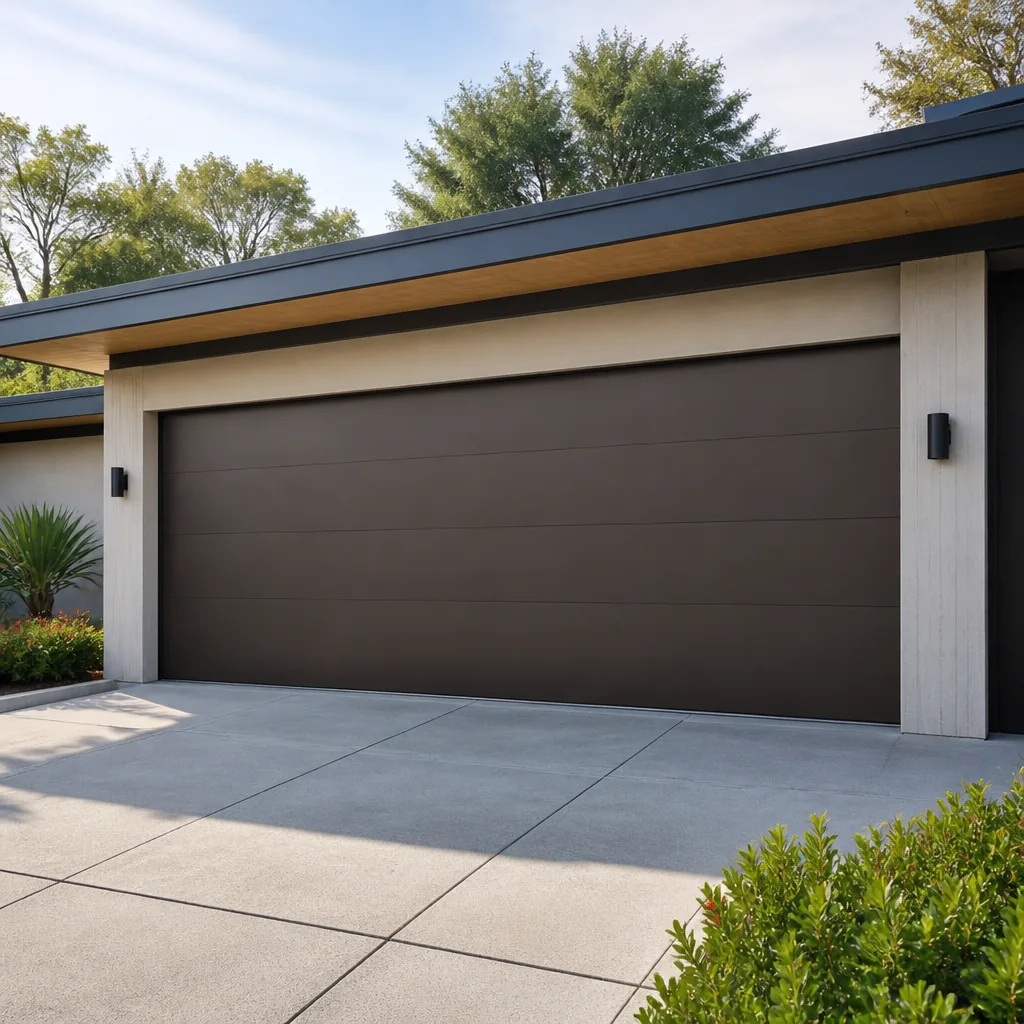 Modern flush
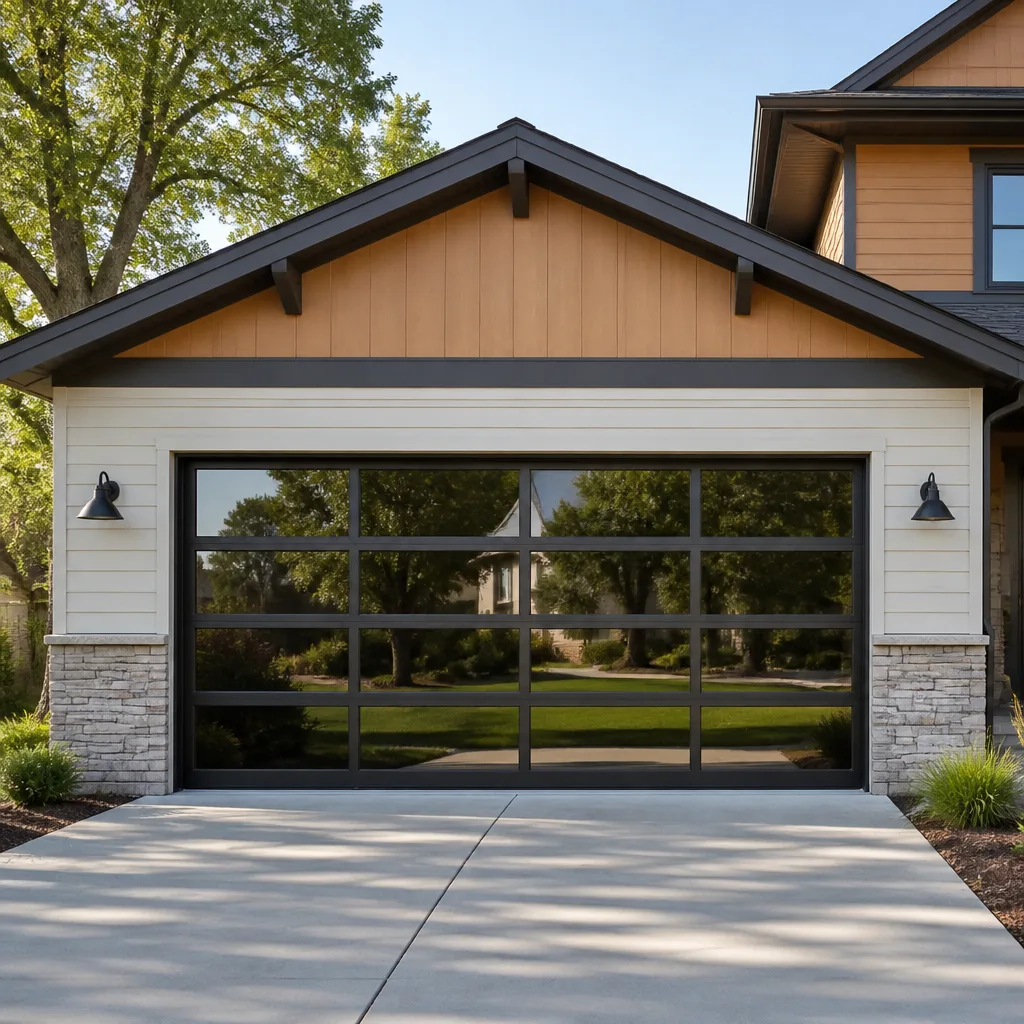 Full-view glass
 LiftMaster openers
 Chamberlain openers
Full 25-point door and opener safety check with every visit - springs, cables, rollers, tracks, and your LiftMaster or Chamberlain opener included
You get a price before we start. It does not change when the pro arrives.
Get your free estimateSeasonal Garage Door Care for Charleston: Year-Round Homeowner’s Guide
The most common mistake Charleston homeowners make with their garage doors is treating “seasonal maintenance” as a national checklist: oil in fall, dust in spring, done. That template was written for places with four equal seasons, and Charleston doesn’t have them. This city has a long, humid summer that pushes wood, steel, seals, and opener electronics harder than any other stretch of the year; a brief, mild winter that can still stiffen springs and thicken grease; a pollen-heavy spring that coats every track and photo-eye lens; and a hurricane season that overlaps all of it. The real question isn’t what to do in spring versus fall. It’s what June in Charleston does to your torsion spring that a cooler month doesn’t, and how you get ahead of it. This guide maps the actual climate calendar here to the specific tasks each period demands.
Quick Answer
Garage door care in Charleston breaks into three main windows: pre-hurricane prep in May (wind-rating checks, reinforcement, securing the door), humidity and heat monitoring from June through September, and a short cold-snap routine whenever a freeze hits, usually a handful of nights in winter. Spring means clearing pollen and debris from tracks and photo-eye sensors without knocking them out of alignment. Fall is the reset for hardware lubrication and balance testing. Spreading those tasks across the year is what keeps springs, seals, and opener components from failing all at once.
Styles & brands we work with
- Raised-panel steel
- Carriage house
- Modern flush
- Full-view glass
- LiftMaster openers
- Chamberlain openers
Table of Contents
- Why Charleston’s Climate Doesn’t Fit a National Maintenance Checklist
- Pre-Hurricane Season Prep: What to Do in May
- Summer Humidity: June Through September
- Spring Pollen and Debris: Clearing Tracks and Sensors Safely
- Winter Cold Snaps: What Most Charleston Homeowners Skip
- What a Storm Brace Kit Actually Does (and Doesn’t Do)
- Your 12-Month Charleston Garage Door Task Calendar
- Safety: What You Should Never Test or Adjust Yourself
Why Charleston’s Climate Doesn’t Fit a National Maintenance Checklist
Most garage door maintenance advice is copied from cold-climate markets, where the biggest stresses are ice in the tracks and road salt on steel. Those guides spend paragraphs on de-icing and almost nothing on what humidity, heat, and freezes do to the same hardware. Charleston has a very different stress profile: months of high heat and heavy moisture from June through September, a brief but real winter cold snap, and pollen that lands on everything in spring.
Those conditions hit different parts of the system at different times. Heat softens and degrades rubber seals. Humidity works on wood doors and paints inside electrical enclosures slowly and invisibly. Morning freezes stiffen grease and can make springs feel heavier than normal until temps climb back up. Pollen and grit find every track and every sensor lens. None of this announces itself with a dramatic failure. It builds.
That’s why the calendar in this guide is built around Charleston’s real climate, not a generic template. The parts of the door and opener that need attention in February are not the parts that need it in July. Once you understand which components take each seasonal hit, the schedule becomes obvious. That same logic applies whether you call us for garage door repair or you do the routine checks yourself.
Pre-Hurricane Season Prep: What to Do in May
May is the window to look at your garage door as a big, light, wide opening in your house and ask whether it’s rated, braced, and ready for what hurricane season could bring. Garage doors are often the largest unsupported opening in a home’s envelope, and wind that gets past one can pressurize the entire structure. Prep in May (before storms form) is far calmer than hunting for help in the middle of an active storm.
Here’s the practical prep sequence:
- Find the wind-rating label. Most modern doors carry a label or stamped marking with a design pressure (DP) or wind-load rating. Photograph the label where it sits and store the image with your home documents. If you can’t find one, note the door’s brand, model number, and size from the sticker or panel markings and keep those instead.
- Test the balance. Pull the manual release and lift the door halfway by hand. Properly balanced, it should feel steady and stay put. If it drops, feels heavy, or the opener has been working harder than usual, that’s a sign to have springs and hardware checked before storm season.
- Look at the door’s hardware. Check hinges, rollers, and brackets for looseness. A door that bangs or wobbles in normal use will suffer badly in high wind.
- Inspect the seals. If the bottom seal is cracked or compressed, wind-driven rain will find its way inside. Replacing a worn bottom seal is fast and much easier to do now than during a storm.
- Test the opener’s manual release and backup battery, if you have one. During an extended power outage you need to be able to open the door by hand.
Labels, hardware, seals, and manual-release function: that short list is your May to-do. If you’re not sure what your door’s rating means, most cities require specific documentation during installation, so ask your city’s building department directly. When in doubt, a professional can read the label and hardware and tell you what your door’s wind rating actually is.
Summer Humidity: June Through September
Summer is where Charleston’s climate differs most from most of the country, and where a lot of slow damage happens. Humidity and heat work on your garage door from three angles: wood, seals, and the electronics inside the opener. Between June and September, watch for these signs:
Wood doors
Wood panels swell and contract with humidity swings. Watch for paint that bubbles or peels along the bottom edge of panels and near the bottom seal, where moisture parks longest. That’s usually where rot and warping start. Repainting or resealing before summer can buy you years of life on a wood door.
Bottom seals and weatherstripping
The bottom seal is the piece of rubber or vinyl that touches the floor when the door closes. Heat and humidity age it fast. Look for softness, cracking, flattening, or bits coming loose. A worn seal lets in water, insects, and warm, humid air, and it changes how well the door closes against the floor. Replacing the seal is usually straightforward and cheaper than dealing with the damage it lets in.
Opener electronics
Openers mounted in garages can be exposed to months of heat and humidity. Warning signs to catch before the opener quits:
- Frequent remote or wall-button misfires
- The door reverses for no clear reason on closing
- The opener’s travel limits drift, so the door stops short of the floor or goes too far
- Any intermittent behavior that comes and goes with the weather
Heat degrades solder joints, grease dries out, and tiny moisture paths on circuit boards can cause strange behavior. Any of the above is worth a look at the door as a whole, not just the opener. LiftMaster, Chamberlain, Genie, and Craftsman are the most common systems we see in Charleston homes, and they each show wear a little differently. When the door and the opener start misbehaving in tandem, garage door opener repair is usually straightforward once it’s clear which component is actually the problem.
Spring Pollen and Debris: Clearing Tracks and Sensors Safely
Spring in Charleston means a coat of yellow pollen on everything, including your garage door tracks, photo-eye lenses, and the insides of the opener housing. Most homeowners clean the door itself and skip the parts that actually matter. Pollen and grit in the tracks work like sandpaper against the rollers, and a dirty sensor lens is the most common cause of “the door won’t close and I don’t know why.”
Here’s how to clear the tracks and sensors without causing alignment problems:
- Disconnect the opener first. Pull the manual release so the door won’t operate while you’re working near it.
- Clean the tracks with a dry method. Use a soft cloth or a vacuum crevice tool. Avoid spraying lubricant into the tracks: the rollers are designed to be the guide, and a wet track collects grit. Any stubborn clumps of hardened pollen can be loosened with a plastic scraper, not a metal tool.
- Wipe the rollers and hinges gently. Don’t twist or pull them. A cloth moved along the roller is enough to clear surface dust.
- Wipe the photo-eye lenses with a damp soft cloth. The eyes sit near the floor on either side of the opening. They’re mounted in brackets, and a hard bump will knock them out of alignment. Wipe, don’t scrub, and don’t reach over the top of the bracket. If the opener stops responding after cleaning, the eyes probably got bumped and need careful realignment.
- Clear the area in front of the door. Debris on the ground gets swept into the bottom seal and under the door. A quick sweep after a pollen peak pays off through the summer.
If your garage sits under trees, or the spring pollen is especially heavy, this cleaning is worth repeating mid-spring. It’s also worth doing before a seasonal inspection: it’s easier to see real wear on the hardware when it isn’t covered in dust.
Winter Cold Snaps: What Most Charleston Homeowners Skip
Charleston winters are brief, but a real freeze does happen, usually for a few consecutive nights in January or February. Two things go unnoticed through a cold snap: springs stiffen and grease thickens. That combination makes the door feel heavier than normal, which loads the opener more than you’d expect for a few cold mornings.
What to do after a freeze in Charleston:
- Run the door slowly and listen. On the first open after a cold night, let it complete a full cycle without interruption. Banging, scraping, or unusual groaning should stop once the door warms up. If it doesn’t, it’s worth checking.
- Look at the springs and hardware. Cold doesn’t break springs by itself, but a spring that’s already fatigued becomes far more likely to fail in cold weather. If the door suddenly feels much heavier or you hear a loud crack, stop using it until a professional looks at it.
- Watch the opener’s effort. If the opener struggles to lift the door on a cold morning and then seems fine later in the day, that’s a sign the door’s balance or the operator’s force setting needs attention.
- Clean the bottom seal. Cold makes rubber less flexible. If the door was sitting on a dirty seal or a piece of grit through the cold, the seal can get a permanent flat spot or pinch. A quick wipe after a freeze prevents that.
- Re-check the photo-eye alignment. Cold shrinking and settling can shift the brackets a tiny amount. If the door refuses to close after a freeze, the eyes are usually the first thing to check.
Most Charleston homeowners skip the post-freeze cycle check entirely. That’s the simplest one to keep, and the one most likely to catch a problem while it’s still a small one.
What a Storm Brace Kit Actually Does (and Doesn’t Do)
A storm brace kit reinforces a garage door so it can better resist wind pressure. It typically includes horizontal braces or struts that attach across the back of the door panels, along with heavier track reinforcement and stronger hardware at the mounting points. Its purpose is to keep the door from flexing under load and to reduce the chance of the door blowing inward or the tracks bending.
What it does:
- Stiffens the door so wind-driven pressure is spread across more of the panel
- Reinforces the connection between the door and the tracks
- Adds a layer of support that makes the door hold up better in high wind
What it doesn’t do:
- It isn’t a replacement for a properly rated door. A door’s wind rating is determined by the door’s design, not by adding parts after installation. A brace kit reinforces the door you have; it doesn’t upgrade the door’s official rating.
- It doesn’t make a door storm-proof. No garage door is rated to survive every possible wind condition.
- It requires proper installation. Braces attached incorrectly, or without the right hardware and track reinforcement, can stress the door unevenly. This is not a “bolt on and hope” job.
If you have a Wayne Dalton or Amarr door and aren’t certain what hardware it’s designed to accept, that’s worth asking about before adding reinforcement. Doors over a certain width need specific brace configurations to be effective. Most cities require specific documentation during install and follow-up work, so ask your city’s building department what applies to your home. A free measure and a written price will give you the clearest picture of what’s actually right for your door.
Your 12-Month Charleston Garage Door Task Calendar
Here’s the schedule we’d hand a homeowner if we could only give one page. Every month on it reflects Charleston’s climate, not a national template:
- January – post-freeze check. Run the door slowly after any freeze. Listen for unusual strain, check the photo-eye alignment, and wipe down the bottom seal.
- February – balance and hardware look. Pull the manual release, lift the door by hand, and check that it stays put when opened halfway. Look at hinges and rollers for wobble.
- March – early pollen clear-out. Wipe tracks, rollers, and photo-eye lenses. Sweep the floor in front of the door.
- April – seal inspection. Look at the bottom seal and weatherstripping for softness or cracking. If you have a wood door, check the paint along the bottom edge.
- May – pre-hurricane prep. Photograph the wind-rating label, test the manual release and any opener backup battery, check hardware tension, and confirm seals are intact. Replace anything that looks worn now, before the season starts.
- June through August – humidity watch. Pay attention to changes in the door’s feel and the opener’s behavior. Note anything that comes and goes with the weather. This is also when bottom seals start wearing fastest.
- September – second pollen and debris clear, plus end-of-summer review. Wipe tracks and lenses, sweep the floor, and review your notes on any opener quirks from the summer.
- October – hardware lubrication and balance test. Lubricate the door’s hinges and springs at the points the manufacturer recommends, and repeat the balance test. A door that no longer balances is a door that’s working its opener harder.
- November – pre-cold-snap prep. Check seals, clear the area in front of the door, and note any changes to the opener’s performance.
- December – reset and review. Do a full visual inspection of the door from the ground. Look for anything that changed over the year and plan any repair for the new year.
This isn’t a month-by-month drill. It’s a lightweight check list that puts each task in the window when it actually helps. Most of the tasks take minutes. The ones that matter are the ones you notice you’ve skipped.
Safety: What You Should Never Test or Adjust Yourself
Torsion springs, cables, and the mounting bracket hardware on a garage door hold large amounts of stored energy, and the spring you can see is not the whole story. Neither is the opener’s electrical enclosure, which contains live wiring. We’re listing these as things to check and notice, not things to adjust yourself. A trained professional can see the state of the spring, the drum, the cable, and the bracket in a way that a homeowner can’t judge from the outside.
Do not:
- Reach into the spring area or attempt to loosen, wind, or replace a torsion spring
- Adjust cables, drums, or brackets
- Open the opener’s electrical enclosure or touch the wiring
- Stand under a door that is partially open or resting on only one spring
Do:
- Watch and listen to the door through its cycle, and note anything that changes
- Test the door’s balance with the manual release, which is designed for the homeowner to use
- Wipe tracks, lenses, and the bottom seal
- Watch for spring, cable, or bracket problems and call a professional when you see them
A door that suddenly feels much heavier, makes a loud noise, or won’t balance is not a “wait and see” situation. It’s an opportunity to have a trained professional look at it before the opener and the door sustain more wear.
Common Mistakes to Avoid
- Treating a national maintenance guide as universal. A cold-climate guide will talk about ice and road salt and skip pollen and humidity entirely. Charleston’s stress points are different, and the schedule should be too.
- Spraying lubricant into the tracks. Garage door tracks are designed to guide rollers without grease. A wet track collects grit and creates more wear, not less.
- Cleaning the door and skipping the photo-eye lenses. The most common “my door won’t close” call starts with a smudged or misaligned eye. Cleaning the lenses takes a minute; getting the eyes realigned takes more.
- Bumping the sensor brackets while cleaning. Photo eyes are mounted on brackets and don’t take well to being knocked. Wipe the lens surface, not the bracket, and don’t lean on the eye while sweeping the floor.
- Skipping the post-freeze run. A single cycle after a cold night catches spring and grease problems that otherwise show up as an opener that’s working much harder than it should.
- Adding a storm brace without knowing the door’s rating or hardware design. Brace kits need to match the door, and a door’s official rating doesn’t change just because you added parts.
- Assuming a door aged past the humidity is “still fine” because it opens. A door that opens but drags, wobbles, or has a compressed seal is a door quietly damaging itself every cycle. Small fixes done early cost less than a spring, cable, and opener repair at the same time.
See the difference
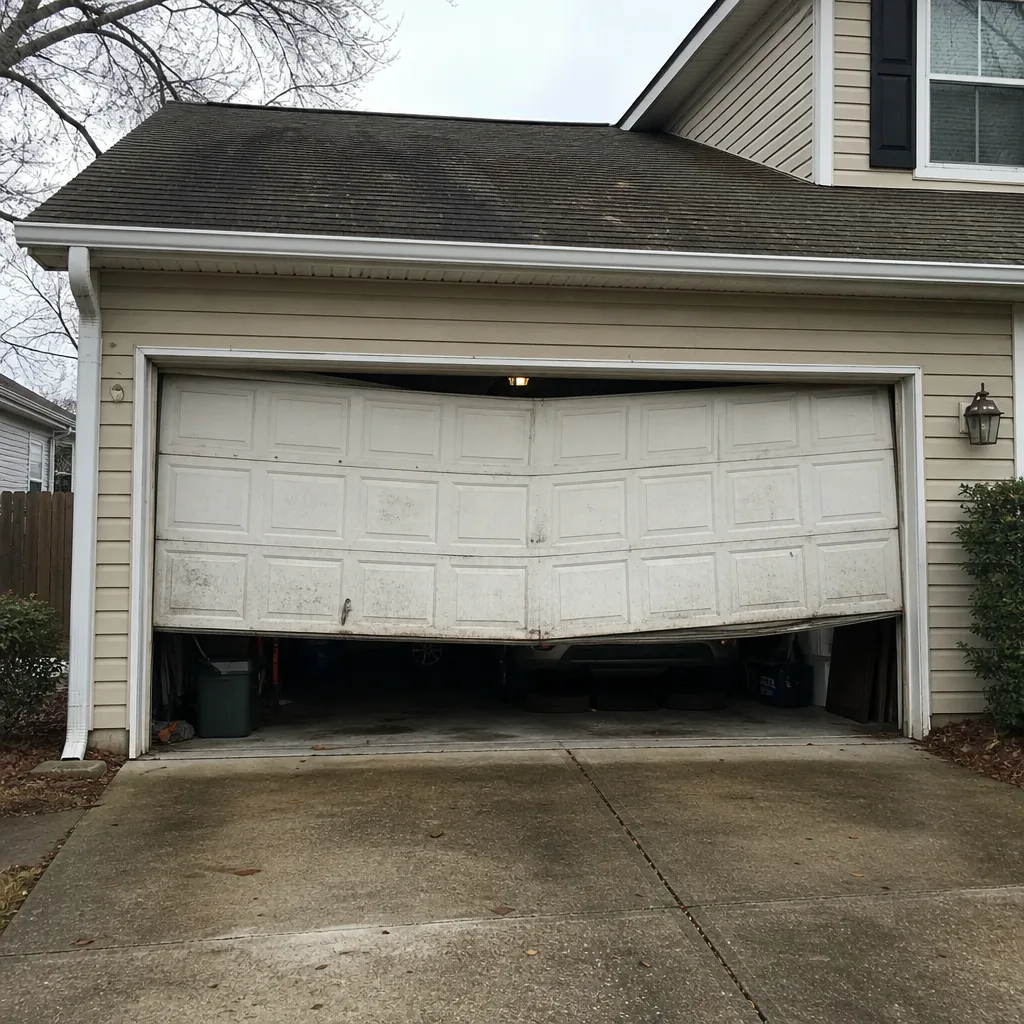 Before
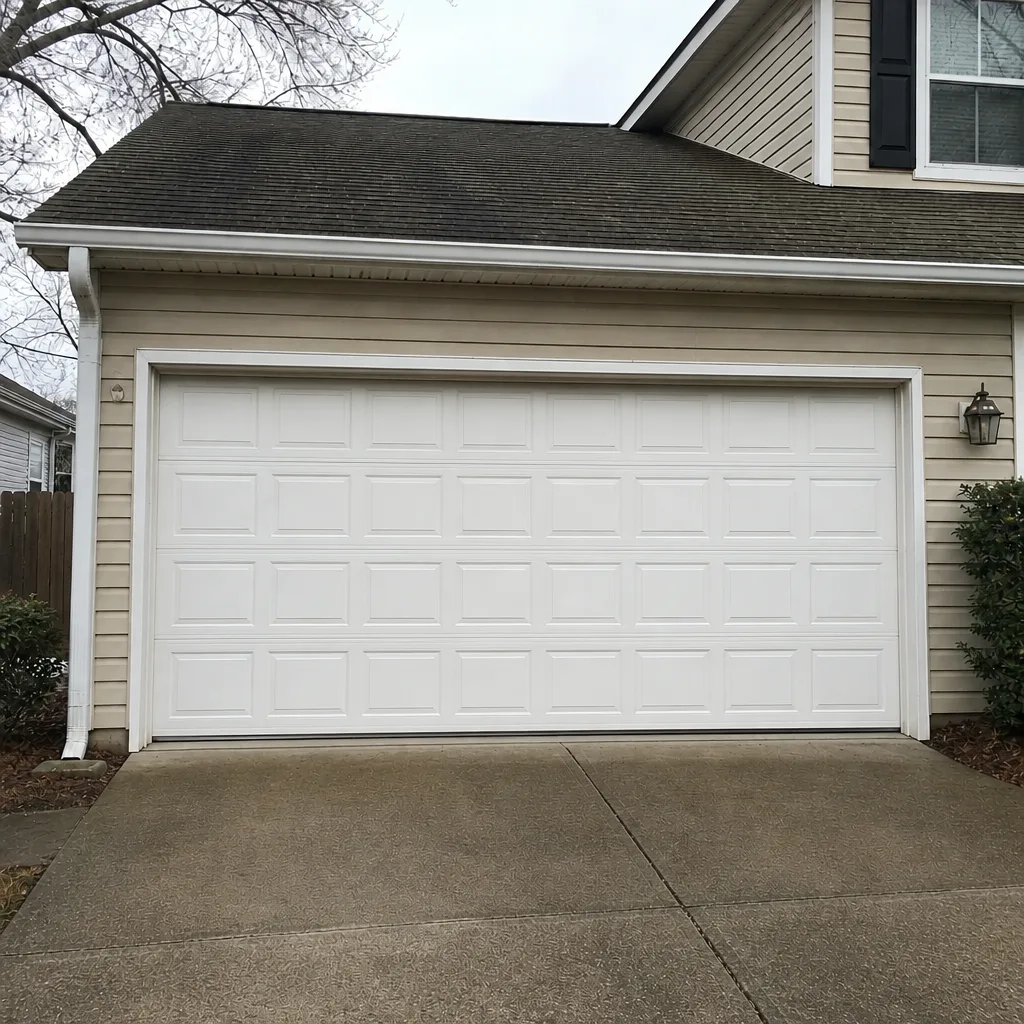 After
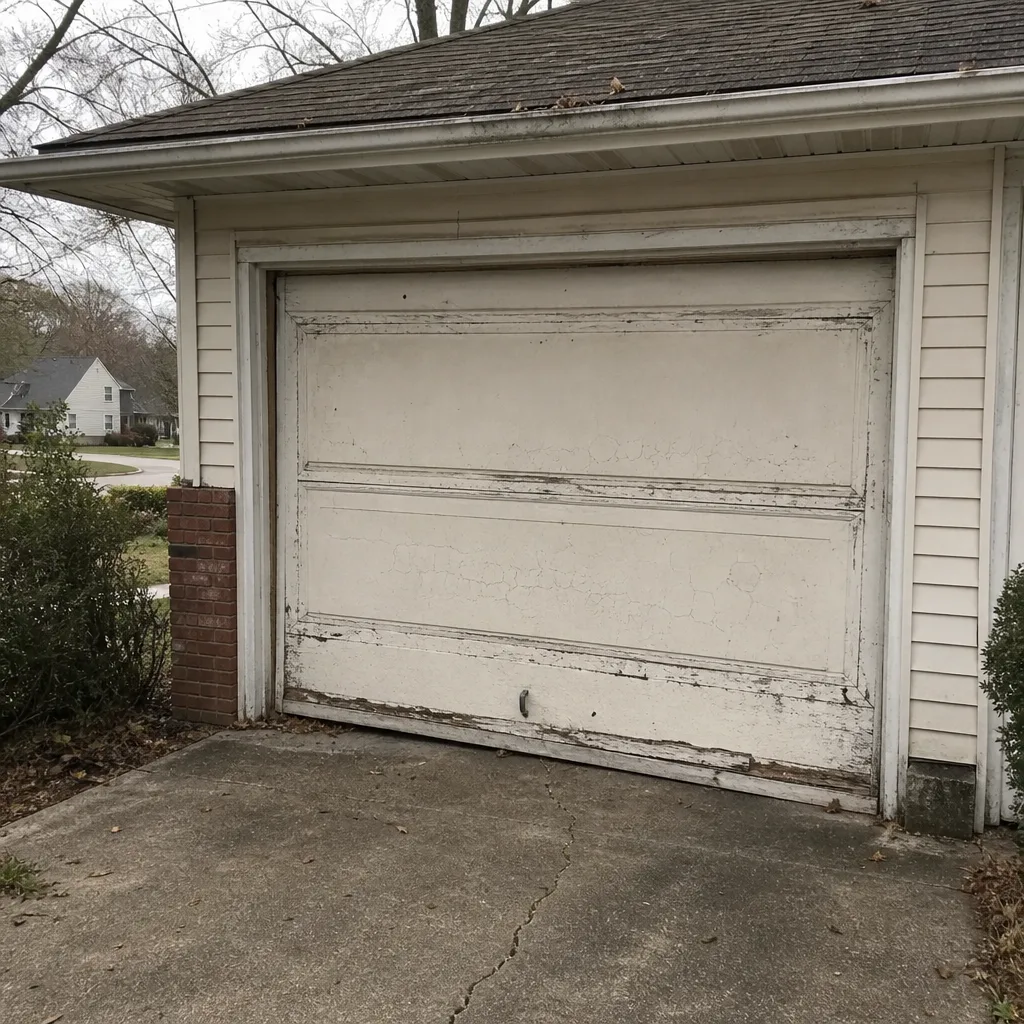 Before
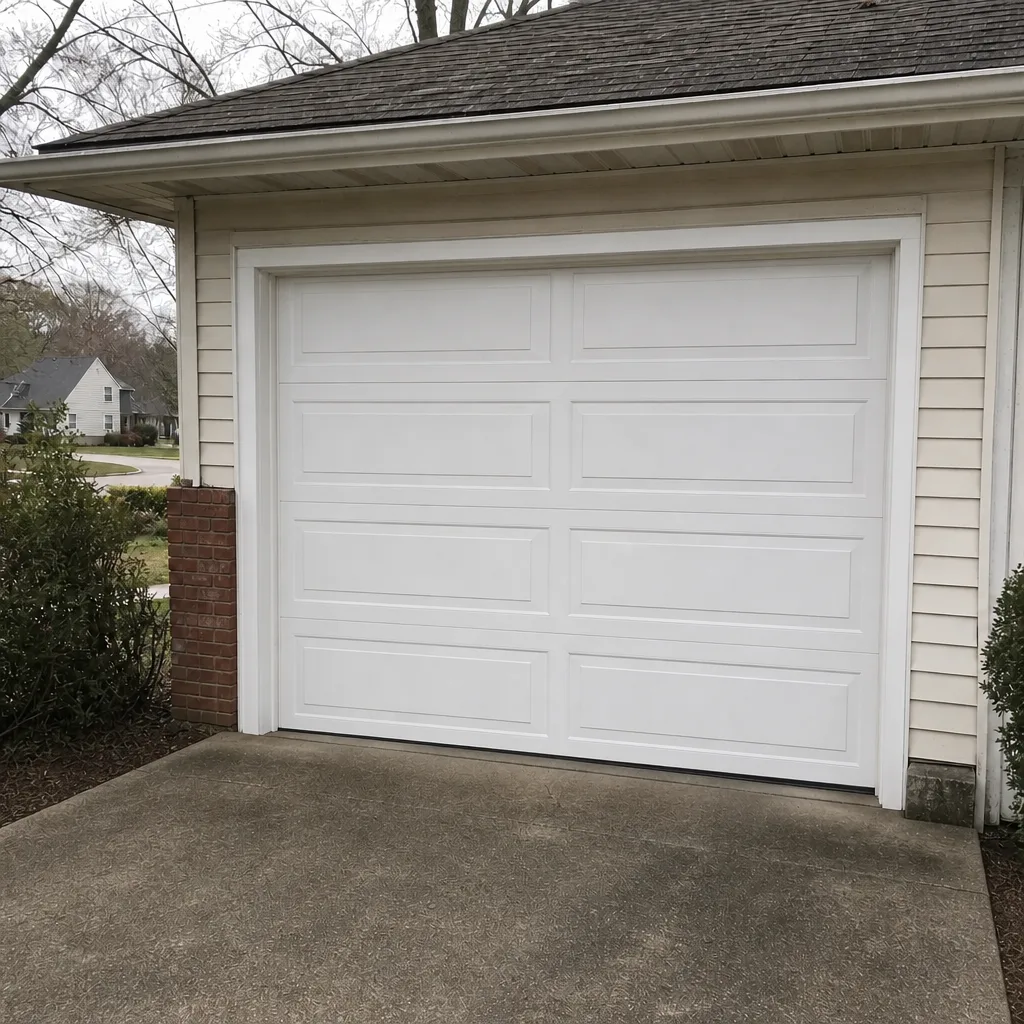 After
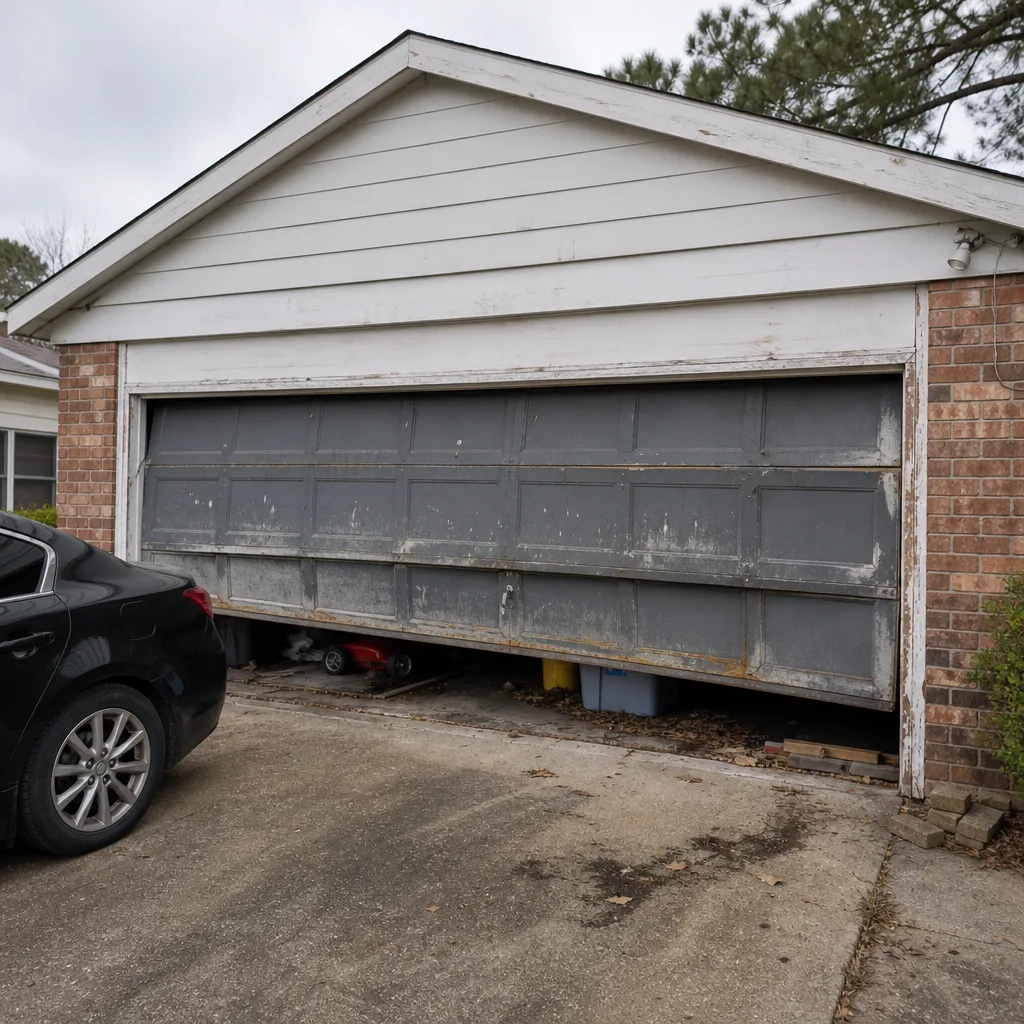 Before
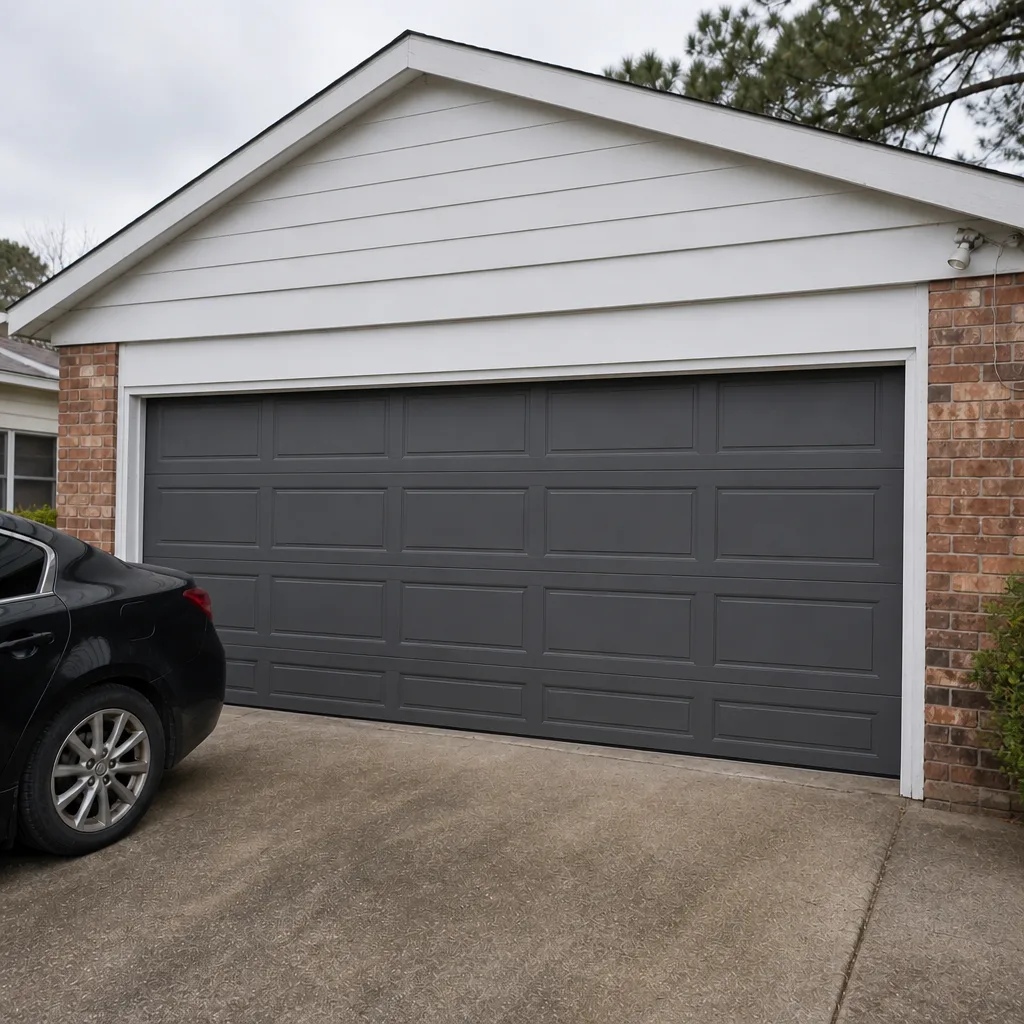 After
When to Call a Professional
Some signs are worth calling on directly. A door that suddenly feels much heavier, a loud crack followed by the door not opening, a door that wobbles or bangs during the cycle, springs with visible gaps or paint that’s peeling off in winding coils, or an opener that reverses for no clear reason are all worth a professional look. So is anything involving the springs, cables, or the opener’s electrical enclosure: those are the parts of the system where a homeowner should stay hands-off. A bottom seal that’s clearly worn, a door that’s stopped balancing, or an opener that’s started hesitating in the heat are also enough to warrant a visit. Loyal Garage Door Service offers free estimates in Charleston. Call (855) 745-6192 to get a straight answer.
Frequently Asked Questions
For Charleston specifically, the highest-value seasonal checks are pre-hurricane prep in May, humidity and heat monitoring from June through September, and the post-freeze door cycle in winter. Spring pollen clearing and fall hardware lubrication round out the list. Those are the tasks that align with what Charleston’s climate actually does to a door. Call (855) 745-6192 if you’d rather have a professional walk through the list with you; estimates are free.
Yes. Wind that reaches an inland Charlestton neighborhood still loads a garage door, and a garage door is often the largest unsupported opening in the house’s envelope. The prep in May is the same whether you’re a few blocks from the water or further inland: check the rating label, test the balance, secure the seals and hardware, and confirm the manual release works. Call (855) 745-6192 for a free estimate if anything looks off.
Twice a year is a reasonable baseline in Charleston: once in early spring after the first pollen peak, and once at the end of summer. If your garage sits under trees or you notice the door starting to drag or squeak, clean more often. The job is dry, takes minutes, and prevents the most common cause of roller wear. Call (855) 745-6192 if the door keeps dragging after a clean.
Two reasons are most common: cold makes grease thicker, and cold can make springs feel stiffer until temperatures come back up. If the heaviness disappears once it warms up, it’s usually the weather. If it persists, or you hear a loud crack, that’s a spring or hardware issue and worth a professional visit before the opener gets overloaded. Call (855) 745-6192 for a free estimate in Charleston.
We don’t recommend it. A brace kit has to match the door’s design and hardware, and incorrect installation can stress the door unevenly. A door’s official wind rating doesn’t change because you added parts, and the reinforcement only works when it’s done correctly. Have a professional look at the door and the hardware, then quote you a written price before any work starts. Call (855) 745-6192 for a free estimate.
Not necessarily. Heat and humidity stress opener electronics, and often a repair is the right answer. LiftMaster, Chamberlain, Genie, Craftsman, and other major systems each show heat-related wear a little differently, and an experienced technician can tell whether it’s a component, an adjustment, or the door itself dragging. Repair first is usually the right call. Call (855) 745-6192 and we’ll give you a free estimate before anything is touched.
The Bottom Line
Charleston doesn’t run on four equal seasons, so a generic maintenance guide misses the point. The tasks that matter here are the ones that line up with what the climate actually does: pre-hurricane prep in May, humidity and heat monitoring through the summer, a pollen clear-out in spring, and a post-freeze door cycle in winter. None of them take long. Each of them prevents a category of failure that would otherwise arrive all at once. If you’d rather not sort it out alone, we’re here. Loyal Garage Door Service works on what you already have, across LiftMaster, Chamberlain, Genie, Clopay, Amarr, Wayne Dalton, Craftsman, and Raynor systems. Our technicians have up to 11 years of experience, and one call covers the door and the opener. Call (855) 745-6192 for a free estimate. We answer 24/7. Fast dispatch from 7am to 7pm, Sunday through Friday, closed Saturday.
For more about how we work, see Loyal Garage Door Service and our Charleston service area.
Written by the team at Loyal Garage Door Service.