
Last updated November 15, 2026
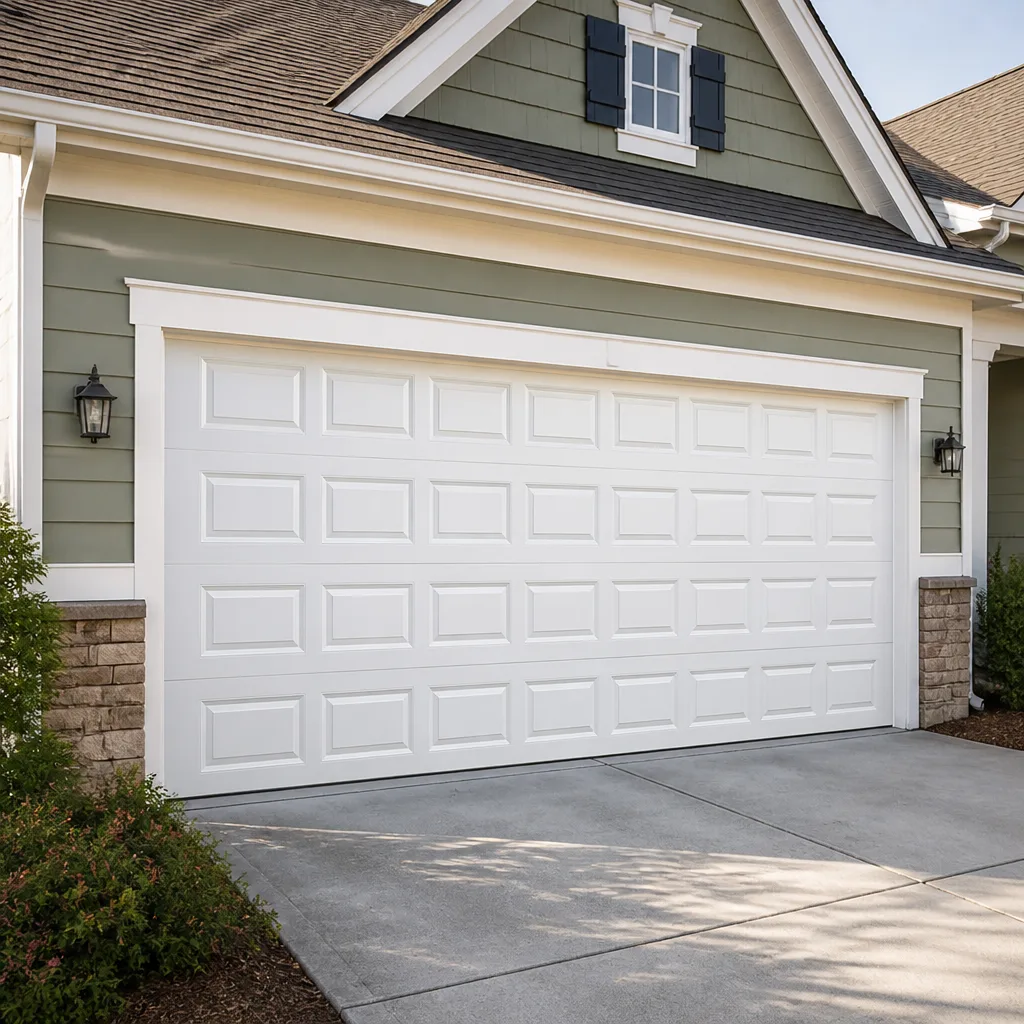 Raised-panel steel
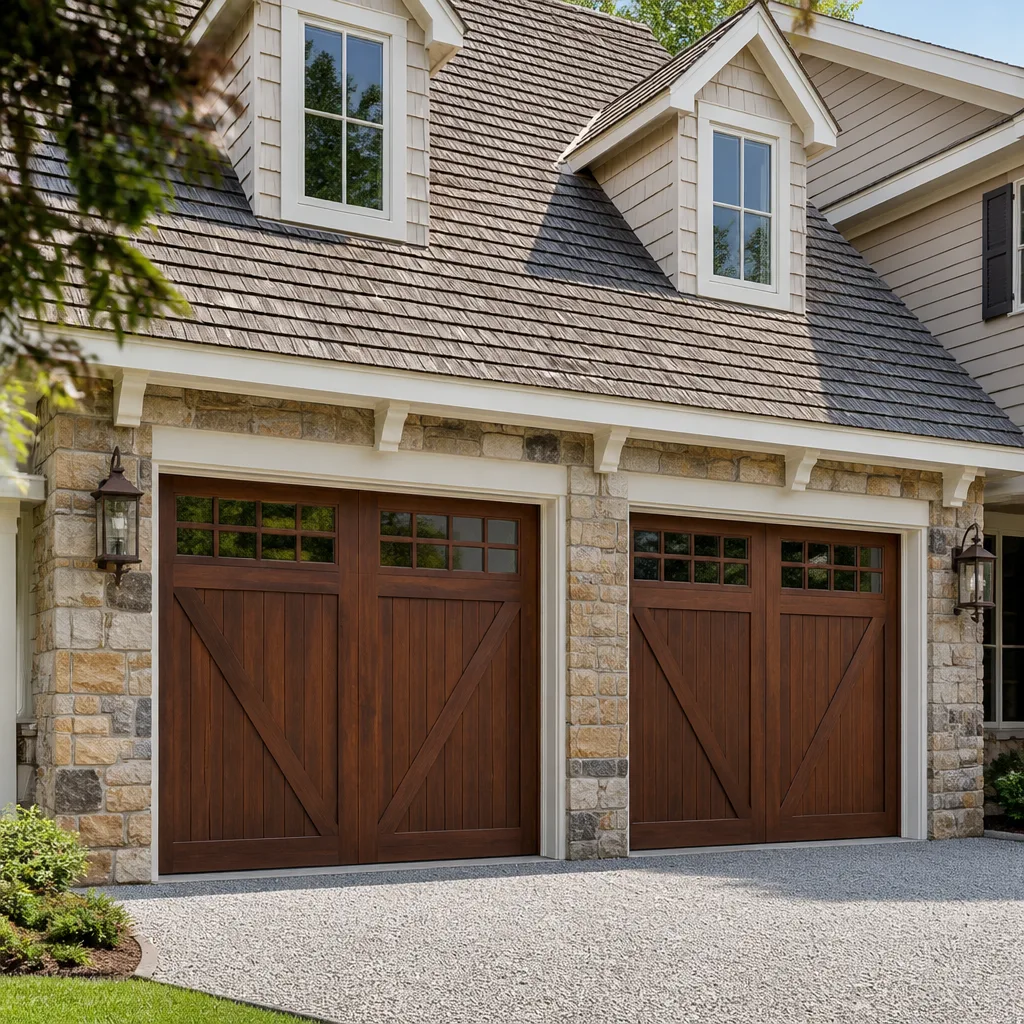 Carriage house
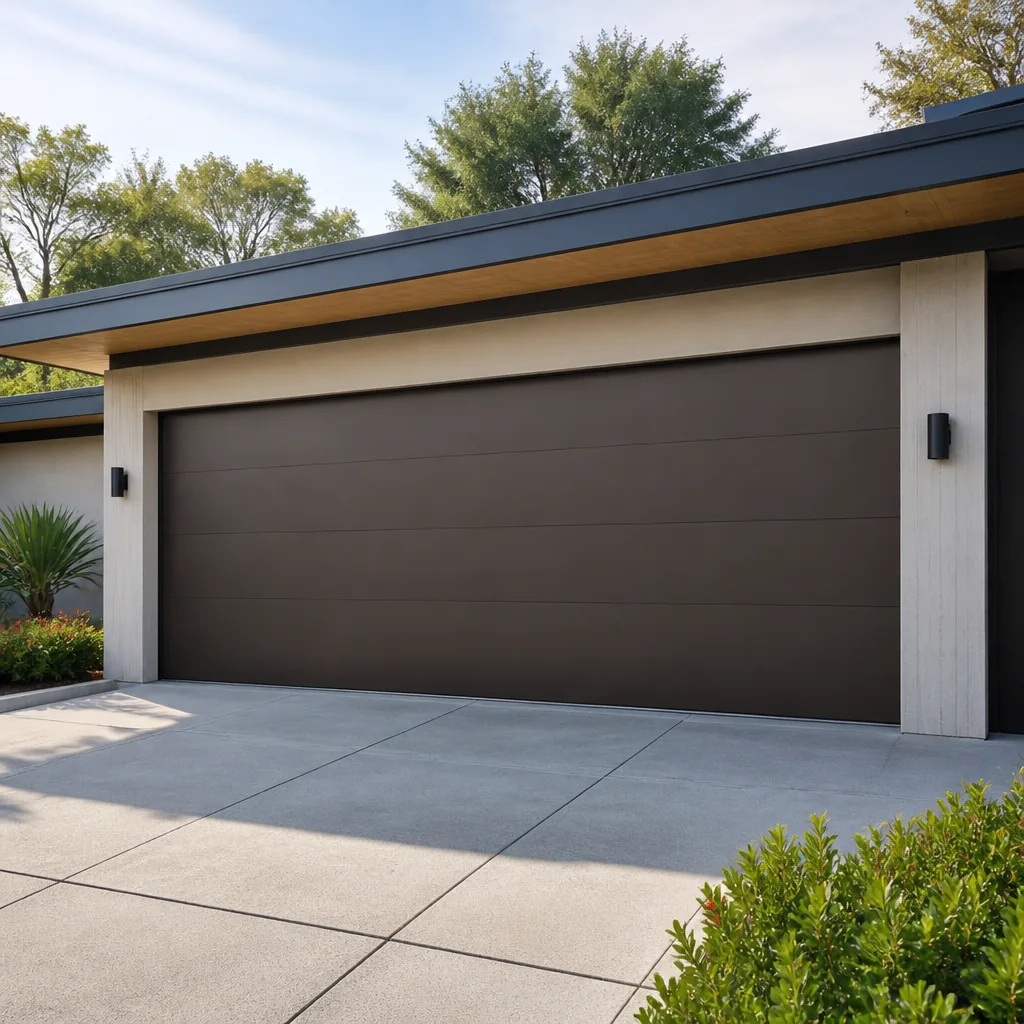 Modern flush
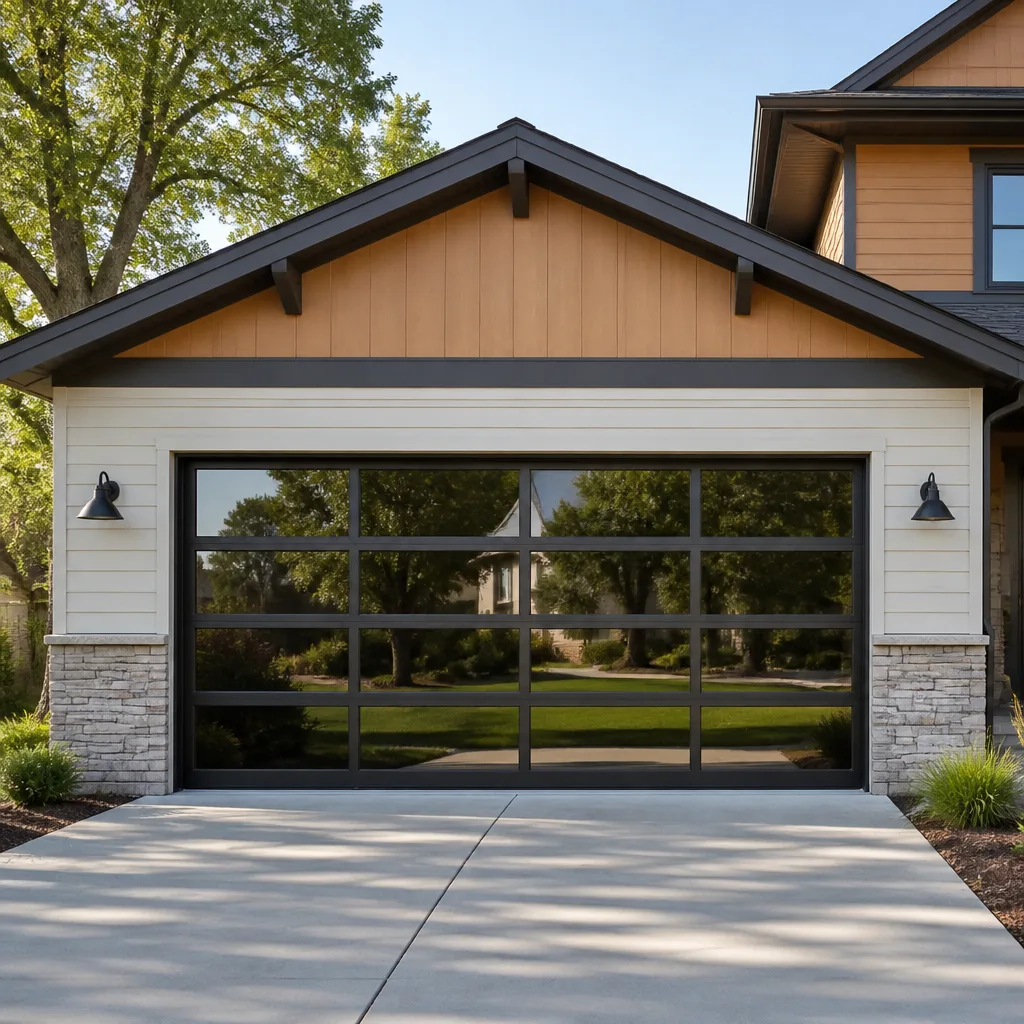 Full-view glass
 LiftMaster openers
 Chamberlain openers
Full 25-point door and opener safety check with every visit - springs, cables, rollers, tracks, and your LiftMaster or Chamberlain opener included
You get a price before we start. It does not change when the pro arrives.
Get your free estimateGarage Door Repair Troubleshooting in Charleston: Common Problems and How to Fix Them
Most garage doors we’re called out to in Charleston don’t have an opener problem. They have a mechanical one. The opener gets blamed because it’s the part you hear and the part with the button, but when a door drags, shudders, or hangs halfway, the cause is usually in the springs, cables, rollers or tracks – and a brand-new operator bolted to a door that’s out of balance will fail just as fast as the old one did. This guide walks you through reading what the door itself is telling you, which checks are safe to do yourself, and where the line sits between a homeowner fix and a job for someone trained on the hardware.
Quick Answer
Garage door problems in Charleston usually trace back to the mechanical system, not the opener. Start by testing the door’s balance by hand with the opener disconnected; a door that won’t stay put is a spring or cable problem, not an operator problem. Spring replacement is not a homeowner job – lift tension is stored in those parts and the risk is serious – but track cleaning, roller inspection and lubrication are safe to handle yourself.
Styles & brands we work with
- Raised-panel steel
- Carriage house
- Modern flush
- Full-view glass
- LiftMaster openers
- Chamberlain openers
Table of Contents
- Why Charleston’s Climate Is Hard on Garage Doors
- The 60-Second Balance Test That Tells You Where the Problem Is
- Symptom-First Diagnostic Tree: Match the Behavior to the Cause
- Track Alignment vs. Roller Problem: Telling Them Apart
- Springs and Cables: What’s Safe and What Isn’t
- When the Opener Really Is the Problem
- Noise, Reversal and Sensor Issues
- A Charleston Maintenance Routine That Actually Helps
Why Charleston’s Climate Is Hard on Garage Doors
Charleston’s humidity does more damage to garage door hardware than most homeowners realize, and it does it slowly enough that nobody notices until something snaps. The Lowcountry sits in a warm, wet climate for most of the year, and a garage – even an attached one – traps that moisture against steel components. Springs, cables, hinges and the bottom brackets that hold the cable are all steel under load, and steel plus persistent moisture is a corrosion problem.
What corrosion looks like before failure is worth knowing, because it’s visible months in advance if you look:
- Springs: A light rust bloom along the coil, then powdery orange patches, then pitting between the coils. A spring that’s pitted has lost cross-section and is holding less tension than it did. It will still work right up until it doesn’t.
- Cables: Frayed strands near the drums at the top corners, or a cable that looks dull and speckled rather than bright. Cables under tension that are losing strands are a genuine safety concern.
- Hinges and rollers: Stiff movement and brown staining around the pin. A hinge that no longer swings freely forces the whole door to work harder.
- Bottom brackets: The most overlooked spot. Moisture collects near the floor line, and the bracket that anchors the cable is often the first part to show rust.
Inland climates with dry summers don’t produce this pattern as quickly. Charleston garages stay damp, and a door that was installed perfectly will still need its first serious hardware inspection sooner here than it would 200 miles inland. That’s not a sales pitch – it’s a reason to look at the door every few months rather than waiting for a noise.
The heat matters too. Summer garage temperatures climb high enough to soften lubricant on tracks and rollers, which then attracts grit and turns into a sticky film. That film is one of the most common reasons a door starts running rough in July when it ran quietly in March. If you want a broader overview of what we handle, our Loyal Garage Door Service page covers the full scope of repair, opener work and installation.
The 60-Second Balance Test That Tells You Where the Problem Is
The balance test is the single most useful thing a homeowner can do, because it separates tension problems from operator problems in under a minute. You are testing the door’s springs, not the motor, which is why the opener has to be out of the picture first.
- Close the door fully and make sure nobody is standing under it.
- Pull the emergency release cord – the red handle hanging from the opener rail. This disconnects the door from the operator so the door moves free.
- Lift the door by hand to about waist height and stop. Don’t force it.
- Let go. A correctly balanced door stays where you put it, or drifts only slightly.
- Watch what happens. If it drops fast, the springs have lost tension. If it wants to rise on its own, the springs are over-tensioned or the wrong size.
- Reconnect the release by running the opener once so the carriage re-engages, then test the door with the button.
A door that won’t hold position is telling you the tension system is already failing. That’s the answer you were looking for, and it means the opener was innocent all along. It also means you should stop cycling the door and get it looked at, because a spring that’s already weak is closer to breaking than one that’s still carrying its rated load.
If your door is old enough that you’re weighing repair against replacement, the balance test result is useful information to bring to that conversation. It tells a technician immediately whether you’re looking at a hardware job or a door that’s genuinely at the end of its life.
Symptom-First Diagnostic Tree: Match the Behavior to the Cause
Start with what the door actually does, not with what you think is broken. The behavior narrows the cause faster than any inspection.
- Door doesn’t move at all, no sound from the opener: Usually electrical or operator – check the wall button, the breaker, and whether the safety sensors have a lit indicator. If the opener hums but the door doesn’t move, the carriage may be disconnected or the gear assembly inside the unit has failed.
- Door opens a few inches and stops: Almost always a tension problem or a binding track. The opener is hitting resistance and the safety system is stopping it. Disconnect the door and try the balance test before touching the opener.
- Door opens halfway then reverses: Either the travel limits on the opener are set wrong, or something is physically binding the door at that height – often a track that’s been pushed out of line.
- Door shakes or shudders while moving: Worn rollers, a bent track, or a door that’s out of balance. Rarely the opener.
- Door reverses immediately on closing: The safety sensors are misaligned, obstructed, or the close-force limit is too low.
- Door is lopsided – one side higher than the other: A stretched or snapped cable on one side, or one spring that’s failed on a two-spring setup. Stop using the door.
- Loud bang from the garage, door won’t lift: A torsion spring has broken. This is a professional job, full stop.
In our experience across Charleston, the halfway-stop and the lopsided-door complaints are the two most often misattributed to the opener. Both are mechanical. Both get worse with use. Neither is fixed by a new motor.
One thing to know about a two-spring setup: when one spring breaks, the door will sometimes still lift partway on the remaining spring, which makes it look like an intermittent electrical fault. It isn’t. A door running on one spring out of two is under-sized for the load, and continuing to run it puts the surviving spring and the cables under more stress than they were designed for.
Track Alignment vs. Roller Problem: Telling Them Apart
From the driver’s seat, a door with a bent track and a door with a worn roller look identical. Both bind. Both make noise. The fix is completely different, and replacing rollers won’t help a door with a misaligned track.
Here’s how to tell them apart:
- Look at the gap. Stand inside the garage and watch the door travel. The rollers should sit centered in the track channel with even clearance on both sides. If you see a roller riding hard against one edge, or the track visibly bowed, that’s alignment.
- Look at the roller itself. A worn roller has play in it – you can wiggle it in the hinge. It may also be flat-spotted or have a rough, grinding feel when you spin it by hand. That’s a roller problem, and it’s a cheap fix.
- Listen for where the noise comes from. A single thump at one point in the travel suggests a track kink. A constant rumble along the whole run suggests rollers or lubrication.
- Check the vertical tracks with a level. If the vertical section isn’t plumb, the door will bind on the way up regardless of roller condition.
Track alignment matters more in Charleston than in some markets because a track that’s slightly out of line gets worse when the door is running against resistance from a weakening spring. The two problems feed each other. A door that’s been dragging for months because of a tired spring will often develop a track issue as a secondary problem, and fixing only the track leaves the original cause in place.
Straightening a track is a judgment call. A mild bend in a vertical section can sometimes be brought back with careful adjustment, but a kinked horizontal track or a track that’s been hit by a car needs replacement. We treat track work as part of standard garage door repair, because it’s rarely the only thing wrong.
Springs and Cables: What’s Safe and What Isn’t
This is the section where we stop being diplomatic. Torsion springs and the cables that run through them store an enormous amount of energy. A torsion spring under tension can cause serious injury if it releases unexpectedly, and the tools required to wind one safely are not things most homeowners own. This isn’t a “be careful” warning – it’s a “don’t do this” one.
Here’s the honest split:
- Safe for a homeowner: Lubricating springs, hinges and rollers with a proper garage door lubricant. Cleaning tracks. Tightening visible bolts on the door panels. Testing the balance. Replacing a roller if you’re comfortable and the door is fully closed and disconnected. Adjusting the opener’s force and travel limits per the manual. Aligning safety sensors.
- Not safe, regardless of DIY confidence: Winding or unwinding torsion springs. Replacing torsion springs. Removing or reattaching cables under tension. Adjusting the bottom brackets that anchor the cables. Replacing extension springs without the proper containment hardware. Straightening a bent track that’s carrying a loaded door.
The distinction isn’t about skill. Someone with good mechanical ability and a full tool set can still be seriously hurt by a torsion spring, because the failure mode doesn’t give you a warning. The spring either holds or it releases. There’s no in-between where you get to step back.
Cables deserve the same respect. A cable under tension that’s frayed near the drum can let go while the door is moving, and the door will come down unevenly and fast. If you see fraying, stop using the door and get it looked at. This is one area where we’d rather you call than experiment.
One useful cost note: spring pricing is per spring. If your door has two springs and both are the same age, they’re usually replaced as a matched pair, and a pair costs roughly twice what a single spring does. Replacing one spring on a two-spring door is possible, but the older spring is likely to fail soon after, which is why most technicians recommend doing both.
For the operator side of the system, garage door opener repair is a separate scope, and we handle both under one visit so you’re not coordinating two companies for one problem.
When the Opener Really Is the Problem
About three in ten of the calls we get in Charleston turn out to be genuine opener issues. The pattern is different from a mechanical failure, and it’s worth knowing because the fix is often simpler than homeowners expect.
Signs the opener itself is at fault:
- The opener runs but the door doesn’t move. The carriage is disconnected, or the drive gear or belt has failed.
- The opener hums and nothing happens. Often a failed capacitor or a stripped gear, both common on older units.
- The door works from the wall button but not the remote. Remote battery, or the logic board’s receiver.
- Intermittent operation, works sometimes. Could be a failing logic board, a loose connection, or a safety sensor issue that only appears at certain light levels.
- The opener runs past the door’s travel limits. Programming, not hardware.
Brand matters more than people think here, mainly because technicians who work on one brand every day know its specific failure patterns. We work with eight major brands, including LiftMaster, Chamberlain, Genie, Clopay, Amarr, Wayne Dalton, Craftsman and Raynor, and the failure modes aren’t interchangeable. A Craftsman unit from twenty years ago and a current LiftMaster with myQ have almost nothing in common inside the housing.
Our technicians have up to experience, which is useful precisely because older equipment is still common in Charleston garages. A Chamberlain from the 1990s is not a reason to replace the whole system – it’s a reason to know what you’re looking at.
Noise, Reversal and Sensor Issues
Noise is the symptom homeowners most often ignore, and it’s usually the cheapest to fix. A door that’s been quiet for years and starts groaning is telling you the rollers are dry, the hinges are stiff, or the track has picked up grit. A proper garage door lubricant on the springs, hinges and roller stems, applied a couple of times a year, handles most of it.
What not to do: spray the tracks with lubricant. Tracks should be clean and dry. Lubricant in the track collects dust and grit and turns into a paste that makes the door work harder. Clean them with a rag and a mild cleaner instead.
Reversal problems are almost always sensor-related:
- Check for obstruction. A cobweb, a leaf, or a bicycle moved into the sensor beam will cause a reversal on close.
- Check the sensor lights. Both sensors should show a steady indicator. If one is blinking or dark, that sensor is misaligned, has a bad connection, or has failed.
- Check alignment. The two sensors need to face each other directly. A slight knock – from a trash can, a car, a pet – is enough to break the beam.
- Check the close-force setting. If the door reverses on a properly aligned beam with nothing in the way, the force limit may be set too low. The manual for your opener will explain how to adjust it.
Charleston’s damp air is unkind to sensor wiring at the exterior of the garage, and a connection that worked fine in dry weather can get flaky when humidity rises. If you’ve realigned the sensors and the problem persists, the wiring is the next thing to look at. That’s a job worth handing to a technician rather than tracing through a wall yourself.
For a full picture of what a service visit covers in the area, our Charleston page lays it out.
A Charleston Maintenance Routine That Actually Helps
Ten minutes a few times a year is worth more than any single repair. The point is to catch the corrosion pattern before a component fails under load.
- Run the balance test once a season. Disconnect the opener, lift the door to waist height, and let it go. It should hold. Any change from the previous test is worth noting.
- Look at the springs and cables for rust and fraying. A flashlight along the coil and near the drums at the top corners. Powdery orange rust or frayed strands mean a call.
- Lubricate springs, hinges and roller stems. Not the tracks. A garage door lubricant, not WD-40, and not grease.
- Wipe the tracks clean. A dry rag and a mild cleaner. Remove grit that’s collected in the channel.
- Check the hardware for loose bolts. Vibration loosens things over time, and a loose bracket puts uneven load on the door.
- Test the safety reverse. Put a piece of wood in the door’s path and close it. The door should reverse on contact. If it doesn’t, that’s an adjustment or sensor issue worth addressing.
- Watch the door travel once a month. A ten-second look at the door moving up and down catches a wobble or a bind before it becomes a failure.
The routine matters more in Charleston than in drier markets because the corrosion clock runs faster here. A spring that would last many more cycles inland can lose its margin in Lowcountry humidity because the surface is pitted. Regular inspection won’t stop the corrosion, but it will catch the failing component before it snaps.
Common Mistakes to Avoid
- Replacing the opener to fix a mechanical problem. If the door doesn’t balance, a new motor will fail the same way the old one did. Test the door by hand before spending money on the operator.
- Spraying lubricant into the tracks. It feels like maintenance and it’s the opposite. Tracks should be clean and dry; lubricant in the channel collects grit and makes the door drag.
- Ignoring a rust bloom on the springs because the door still works. In Charleston’s humidity, pitting is an early warning. The door works until the spring breaks, and then it doesn’t.
- Replacing one spring on a two-spring door. The older spring is usually close behind. Doing both at once is cheaper than doing them separately and being without the door twice.
- Straightening a bent track with the door under load. A track carrying a door with tension in the springs is dangerous to force. Disconnect the door first, or leave it to a technician.
- Assuming older equipment can’t be serviced. Craftsman and Wayne Dalton systems are still common in Charleston, and they’re serviceable. Not every older unit needs replacing.
- Tightening the opener’s close-force limit to stop a reversal. Forcing the door closed past a binding track or a stiff hinge hides the problem and wears out the motor. Find the cause instead.
See the difference
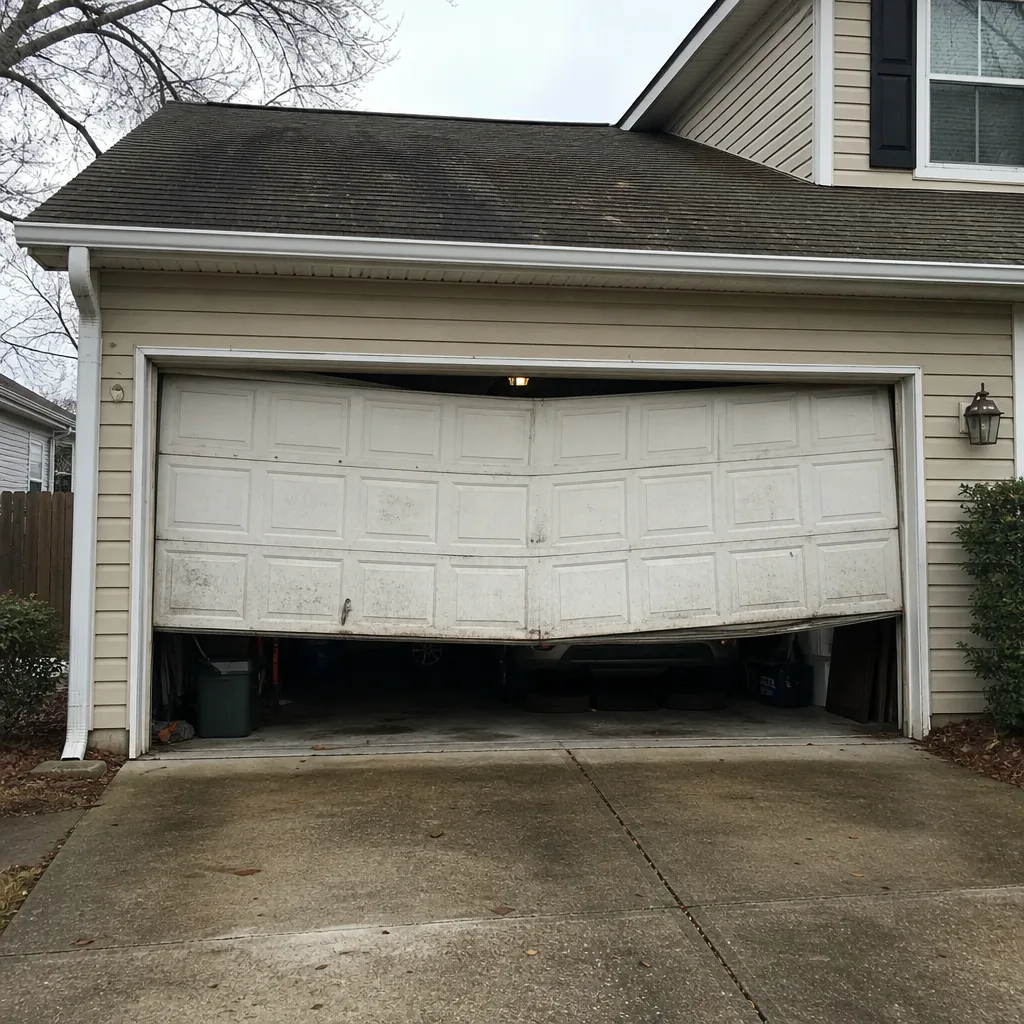 Before
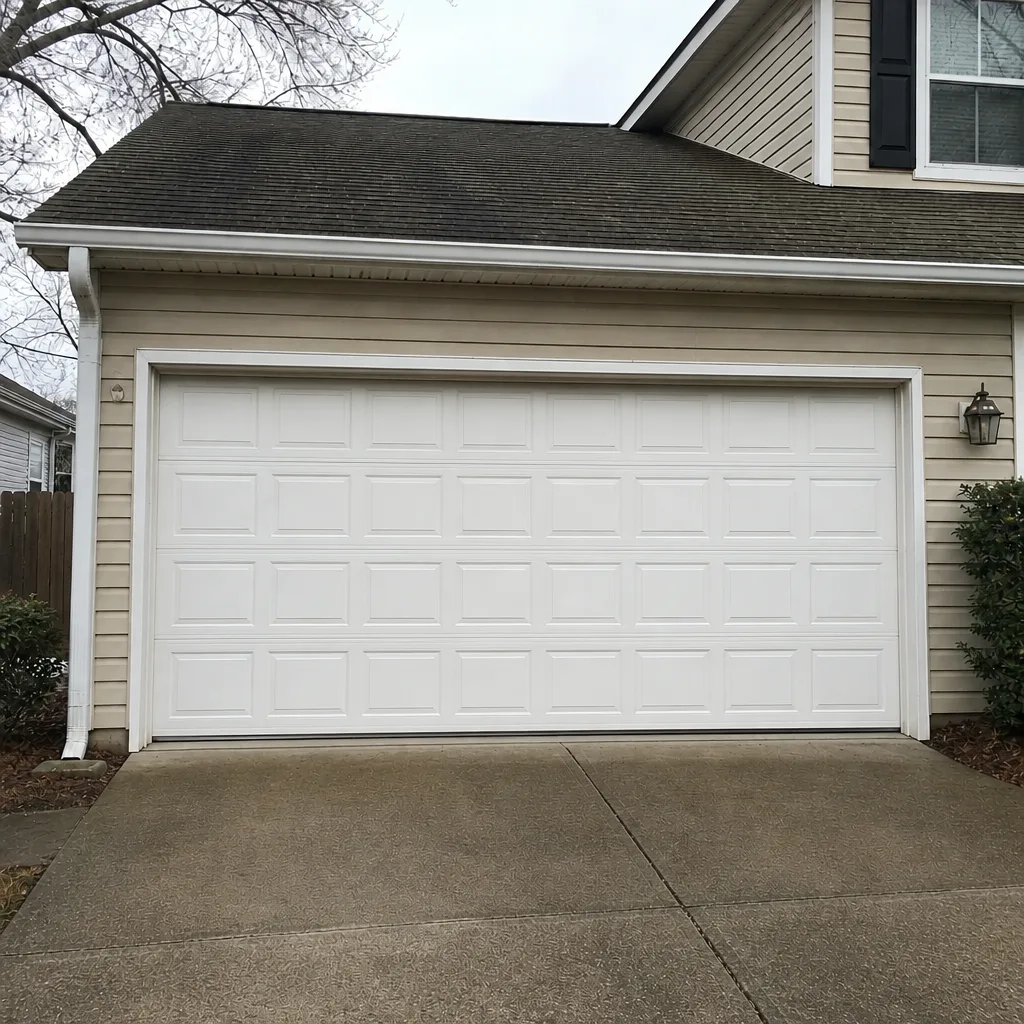 After
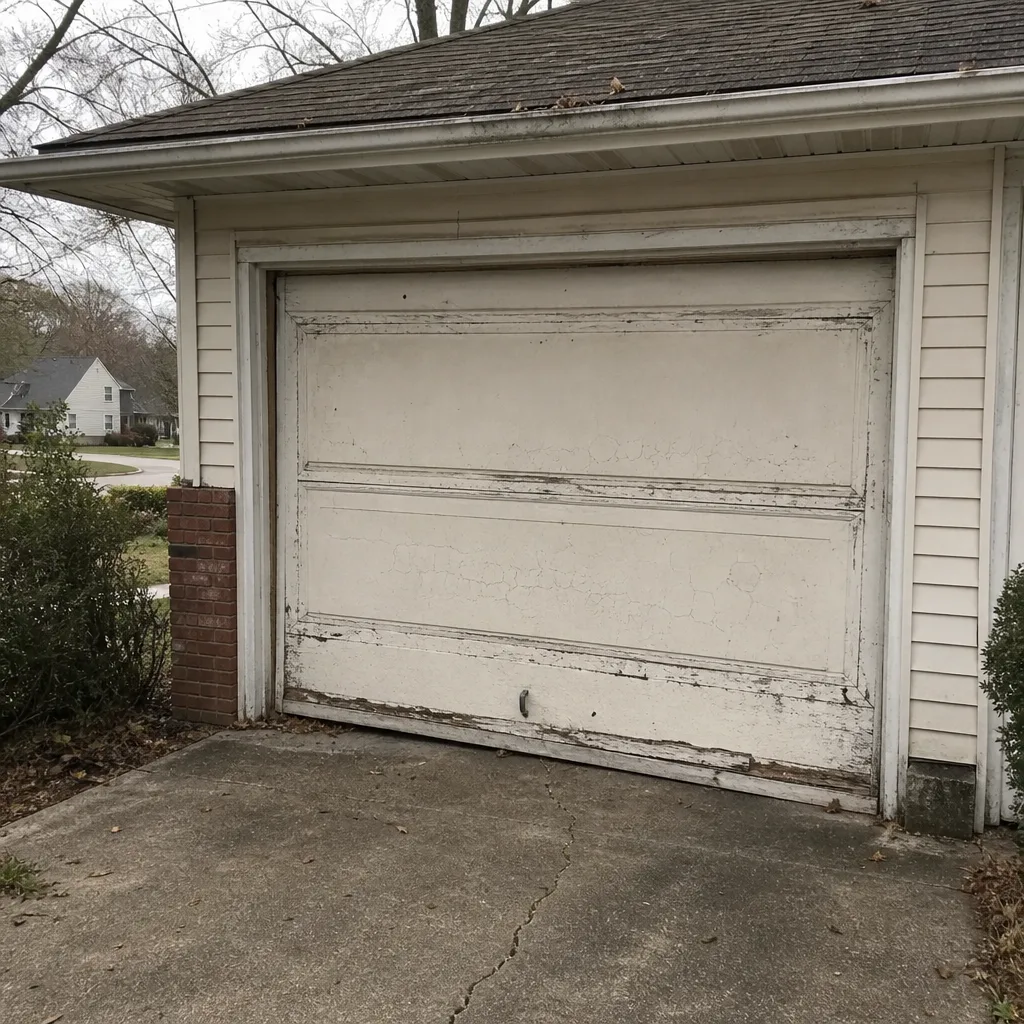 Before
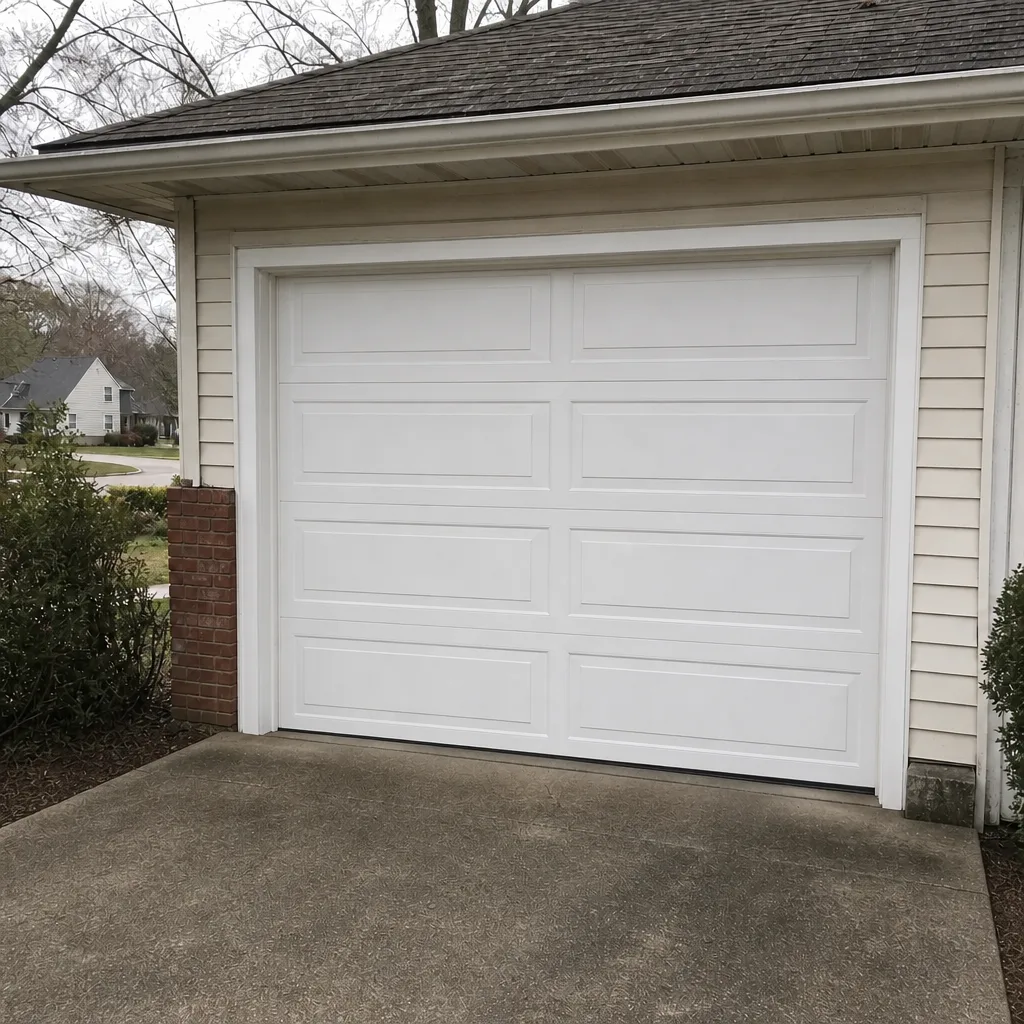 After
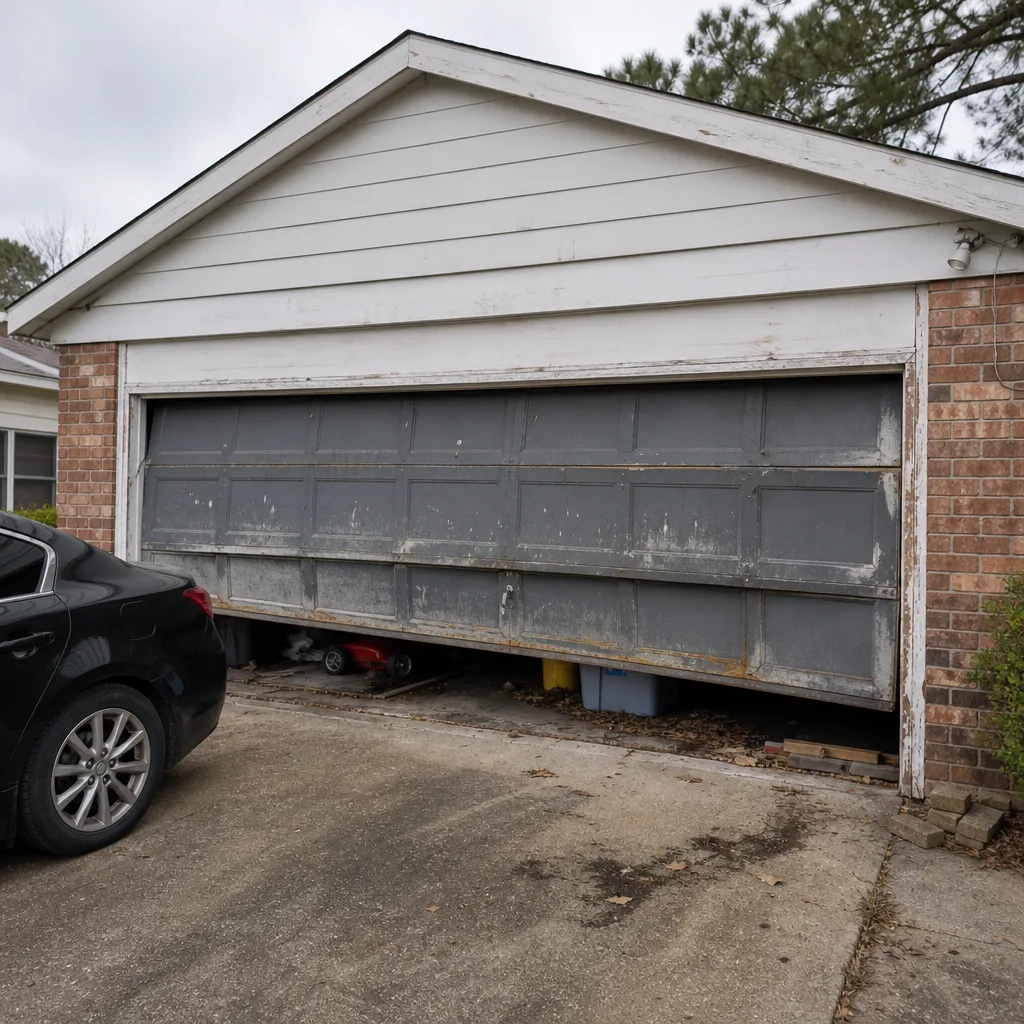 Before
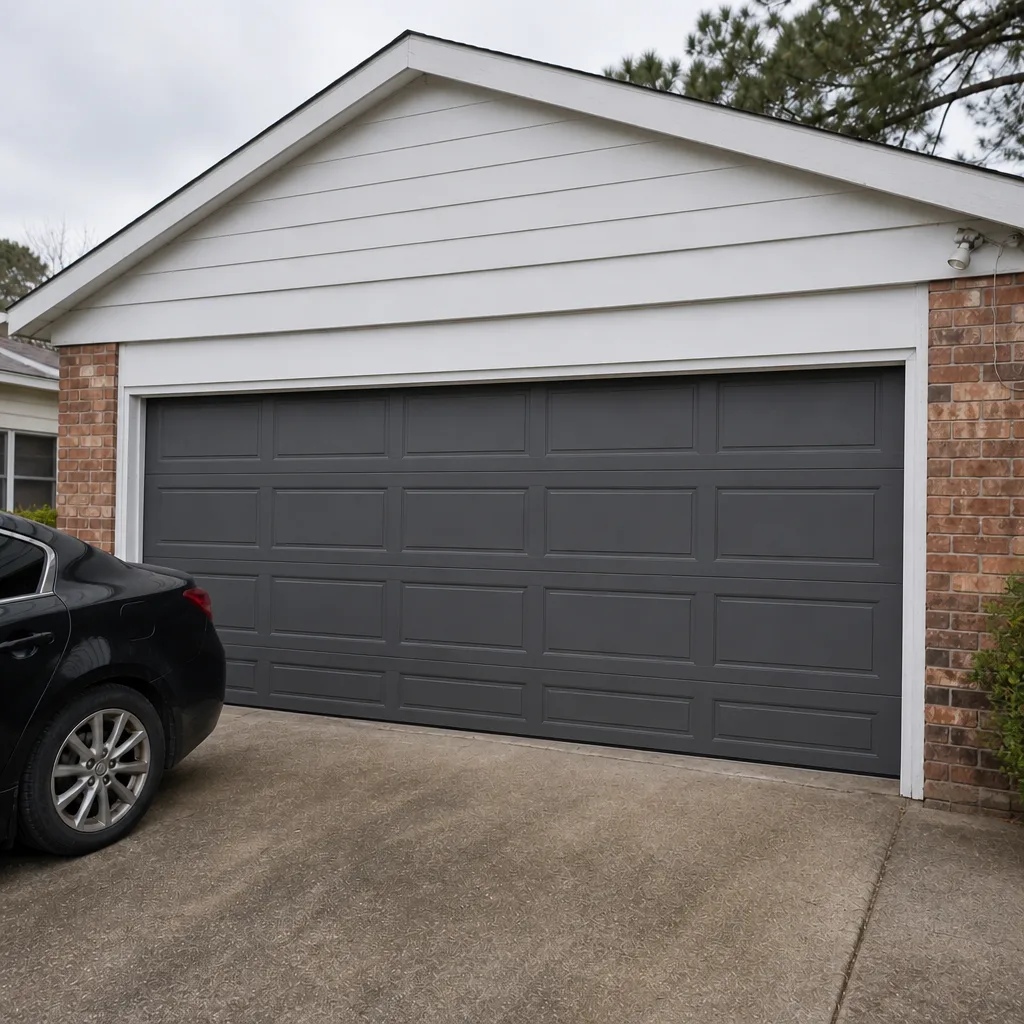 After
When to Call a Professional
Call a professional for anything involving torsion springs, cables under tension, or a door that’s hanging lopsided. Those aren’t judgment calls – the stored energy in those parts is high enough that a mistake can cause serious injury, and the tools to handle them safely aren’t things most homeowners own. Also call if the door has been dragging for weeks despite your lubrication and cleaning, if you’ve run the balance test and the door won’t hold position, or if you’ve realigned the sensors and the door still reverses. Any of those means the problem is past what a homeowner should be handling. Loyal Garage Door Service offers free estimates in Charleston – call (855) 745-6192. We answer 24/7. Fast dispatch from 7am to 7pm, Sunday through Friday.
Frequently Asked Questions
Run the balance test: pull the emergency release cord so the door is disconnected from the opener, lift it to waist height by hand, and let go. If the door drops or rises on its own instead of holding position, the problem is in the springs or cables, not the opener. If the door holds position perfectly and the opener still won’t run it, the operator is the likely cause. In our experience across Charleston, the balance test settles the question about seven times out of ten in favor of the mechanical system.
Charleston’s humidity keeps garages damp for most of the year, and that moisture accelerates corrosion on steel springs and cables. Rust pits the surface of a spring, which reduces its effective cross-section and its load capacity. The spring doesn’t fail suddenly from a single event – it fails after months of gradual weakening that you can see as a rust bloom if you look. Inland climates with dry summers don’t produce the same pattern nearly as quickly.
No. Torsion springs store a large amount of energy, and the tools required to wind one safely aren’t standard homeowner equipment. The failure mode when something goes wrong is sudden and can cause serious injury, and there’s no warning stage where you get to step back. This is the one part of the door we’d tell any homeowner to leave alone regardless of mechanical skill. Lubrication, cleaning and inspection are safe; winding a torsion spring is not.
Cost depends entirely on what’s wrong, and that’s why the balance test matters – it tells you whether you’re looking at a small hardware job or a spring replacement before anyone quotes you a number. Spring pricing is per spring, and a two-spring door usually gets both replaced at once. Every job gets a written estimate before any work starts, and the written estimate sets the final price. Call (855) 745-6192 for an exact quote – estimates are free.
A door that opens a few inches or halfway and then stops is almost always hitting resistance the opener can’t push through. The cause is usually a weakening spring, a binding track, or a door that’s out of balance. Disconnect the opener with the release cord and try the balance test – if the door won’t hold position by hand, the spring is the issue. If it holds fine by hand but still stops under power, look at the track and the opener’s travel settings.
Not usually. Older LiftMaster, Chamberlain, Craftsman and Genie units are still serviceable, and a failed gear, capacitor or logic board can often be repaired rather than replaced. The decision usually comes down to whether parts are available and whether the rest of the unit is healthy. We work on eight major brands including Wayne Dalton and Raynor systems that many companies won’t touch, so an older opener isn’t a reason to write it off without a look.
The Bottom Line
Most garage door problems in Charleston aren’t operator problems. A door that drags or won’t hold position has a mechanical cause, and the balance test is the fastest way to confirm it. Springs and cables are professional territory; lubrication, cleaning, sensor alignment and inspection are things you can do yourself. The Lowcountry’s humidity means the corrosion clock runs faster here than inland, so a quick look at the springs and cables a few times a year is the single best preventative step. Catch the rust bloom before it becomes a snap, and you’ll skip most of the calls we get.
If something on your door isn’t behaving the way it should – or you’ve run the balance test and the answer isn’t what you hoped – call Loyal Garage Door Service at (855) 745-6192 for a free estimate. We answer 24/7. Fast dispatch from 7am to 7pm, Sunday through Friday. One call covers the door hardware and the opener system, so you’re not chasing two companies for one problem.
Written by the team at Loyal Garage Door Service.