
Last updated November 15, 2026
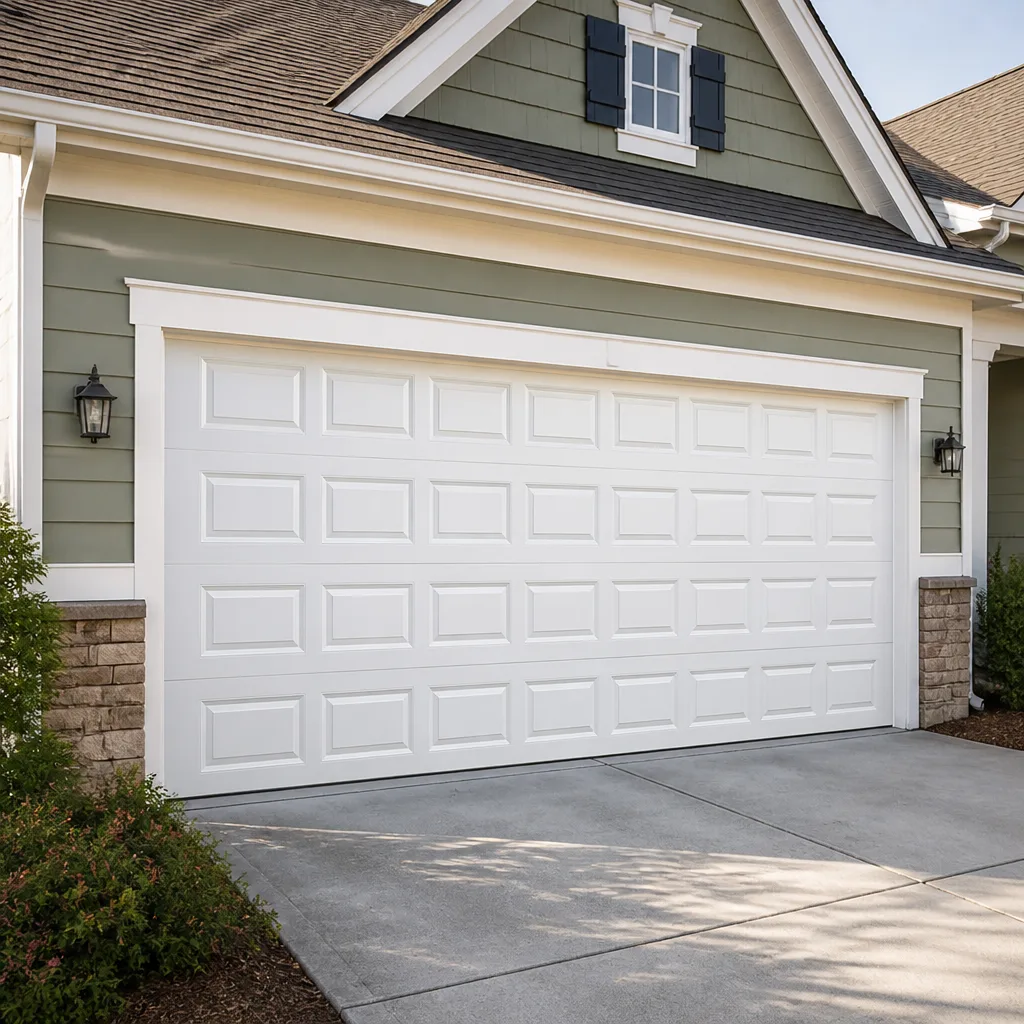 Raised-panel steel
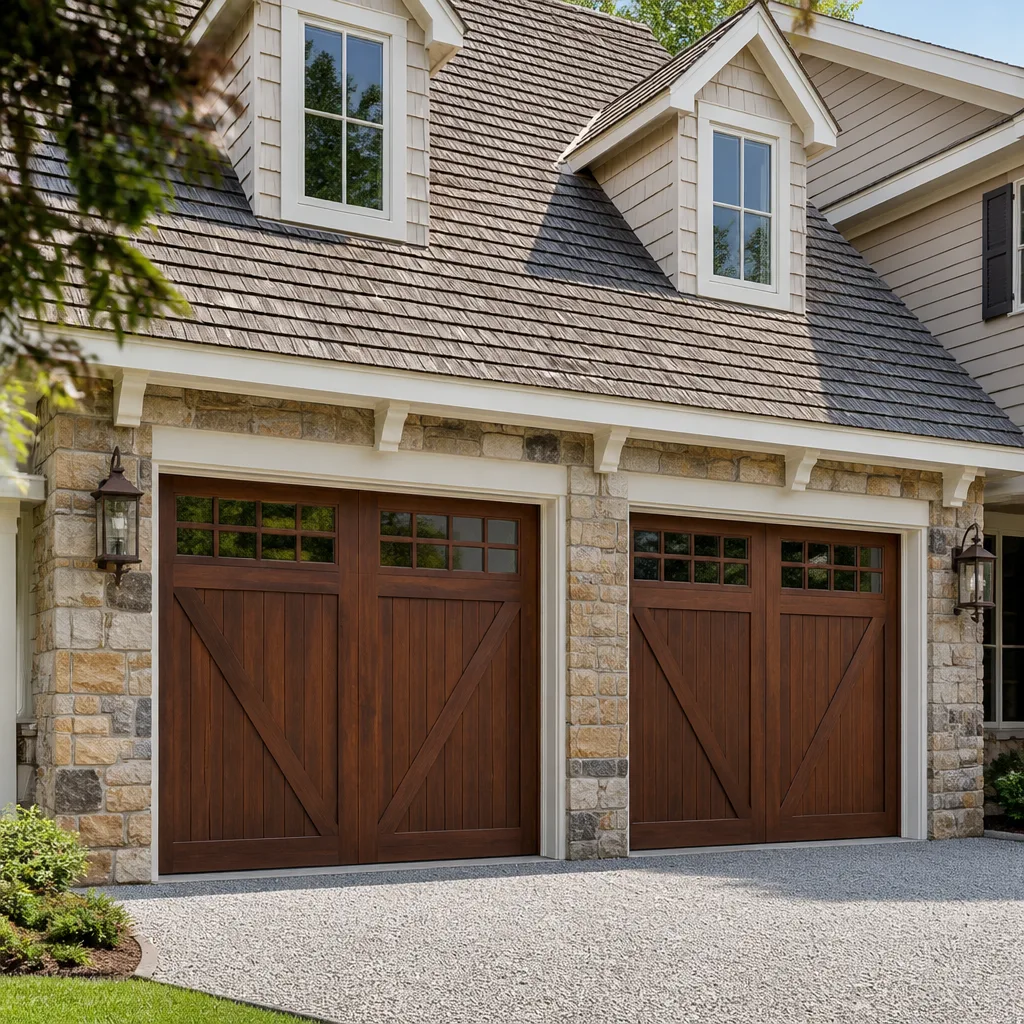 Carriage house
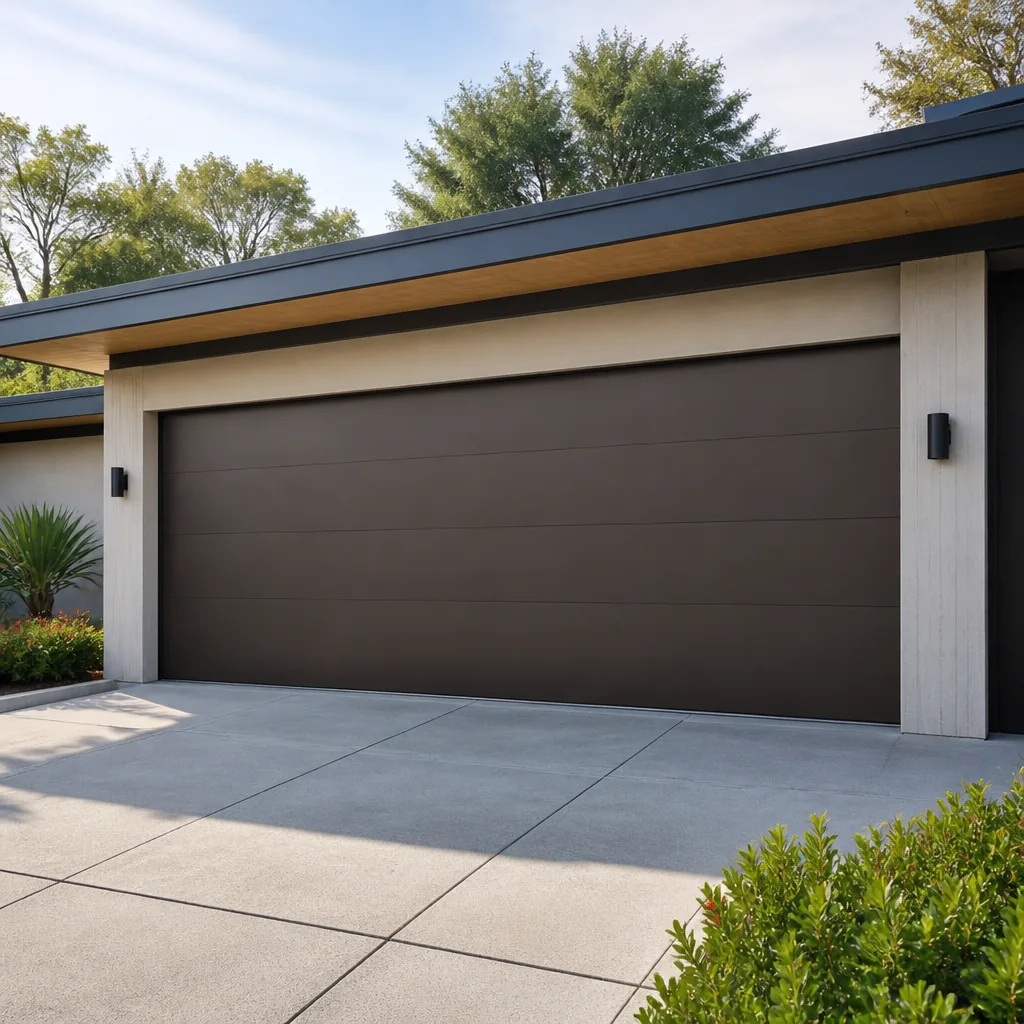 Modern flush
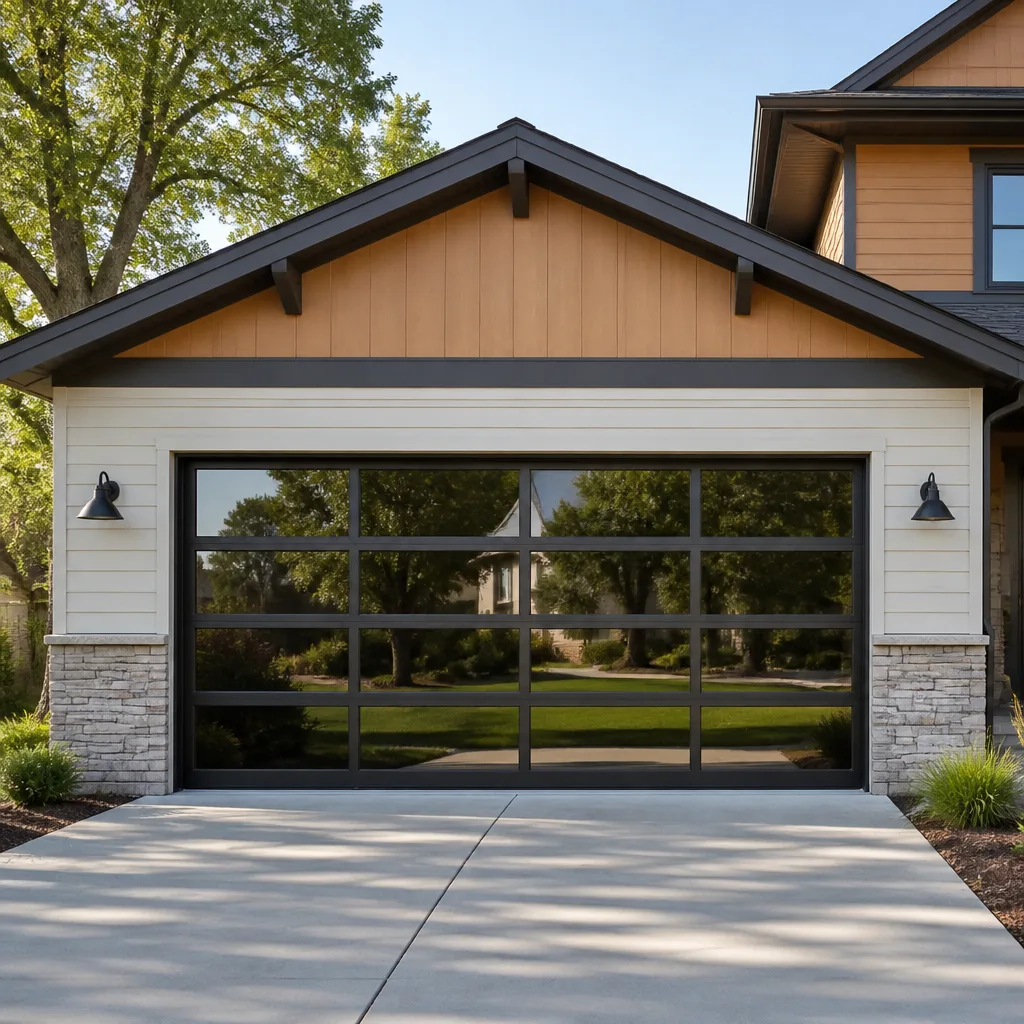 Full-view glass
 LiftMaster openers
 Chamberlain openers
Full 25-point door and opener safety check with every visit - springs, cables, rollers, tracks, and your LiftMaster or Chamberlain opener included
You get a price before we start. It does not change when the pro arrives.
Get your free estimateGarage Door Permits, Codes & Inspections in Charleston, SC: What You Need to Know
Most people assume a garage door is a simple swap: pop out the old door, bolt in a new one, done. In Charleston, that assumption can cost you at closing. A replacement done without the required permit can surface as an open violation on a title search the week before your home sale, and sorting it out then is far more expensive and stressful than pulling the permit upfront. The rules aren’t complicated, but they’re easy to miss, and they vary depending on what’s being done and where your house sits. This guide covers when Charleston County and the City of Charleston require a permit, how wind-load rules affect which doors you can legally install, who’s responsible for pulling the permit, and how to check on work a previous owner had done.
Quick Answer
In Charleston, SC, a full garage door replacement generally requires a building permit, while routine repairs, hardware fixes, and opener swaps typically do not. Wind-load compliance matters for doors installed in areas subject to South Carolina’s coastal wind provisions, and homes in the historic districts may face additional review. The homeowner is ultimately responsible for ensuring a permit is pulled and closed out, even when a contractor does the filing.
Styles & brands we work with
- Raised-panel steel
- Carriage house
- Modern flush
- Full-view glass
- LiftMaster openers
- Chamberlain openers
Table of Contents
- When does garage door work need a permit in Charleston?
- Repair vs. replacement vs. opener swap: what triggers a permit
- How wind-load compliance affects which doors you can install
- Charleston’s historic preservation rules and your garage door
- Who is legally responsible for pulling the permit?
- How to check whether previous work was permitted
- What a garage door inspection actually covers
- Frequently asked questions
When Does Garage Door Work Need a Permit in Charleston?
The short answer: a full replacement usually needs a permit, most repairs don’t, and the line between the two is clearer than most homeowners expect.
Charleston, like most South Carolina municipalities, treats a garage door replacement as a structural alteration when the door’s weight, size, or anchoring changes. Because the door sits in an opening that’s part of the building envelope, replacing it means new fasteners, new tracks, and a different load pattern on the framing. That’s why the work gets reviewed in the same way a window replacement would be. If the door is a like-for-like swap of the same size and rated assembly, some jurisdictions still require a permit because the door is a rated component. Ask the City of Charleston’s building department or Charleston County’s permitting office directly, and get the answer in writing before you order a door.
What typically does require a permit in Charleston:
- Full replacement of a garage door and its track or torsion system
- Enlarging or reducing a garage door opening
- Converting a garage into living space (and the reverse)
- Replacing a door with a different wind-load rated model, even of the same size
- Any structural work on the header or framing around the opening
What typically does not:
- Replacing torsion springs, cables, rollers, or hinges
- Replacing a broken panel with a matching panel
- Replacing or repairing a garage door opener, including LiftMaster and Chamberlain units
- Adjusting tracks that have drifted out of alignment
- Safety inspections and tune-ups
If you’re repairing a door that’s damaged or failing, that work usually falls outside permitting. Our garage door repair work in Charleston is almost always in the no-permit category. Replacement is a different conversation, and it’s one worth having with the permitting office before anything is ordered.
Repair vs. Replacement vs. Opener Swap: What Triggers a Permit
It helps to separate the three things people lump together when they call a garage door company in Charleston. A repair fixes what’s already there. A replacement puts a new door into the opening. An opener swap changes the motor and the drive system. Only one of those three reliably crosses into permit territory.
Repair (usually no permit)
Repairs cover springs, cables, drums, rollers, hinges, bearings, panels, tracks, and weather seals. None of these change the door’s rated assembly or the way it attaches to the house. A snapped torsion spring, a door that comes off track, or a panel with a dent or crack all fall under repair. If you’ve got a Wayne Dalton door with a broken hinge or a Craftsman door whose opener has failed, both of those jobs are repair work.
Replacement (usually needs a permit)
A new door, a new torsion or extension spring system, and new track are a package. The door that ends up on your house has to meet the wind-load rating your area requires, and the permit is how the city confirms what was actually installed matches what was approved. This is where homeowners get tripped up: a door that’s visually identical to a neighbor’s can carry a different wind rating, and if that rating doesn’t match the local requirement, the permit won’t clear.
Opener swap (usually no permit)
Replacing a garage door opener, adding a battery backup, or upgrading to a smart-enabled LiftMaster or Chamberlain unit doesn’t change the structure of the door. Opener work sits outside the building permit system in most South Carolina jurisdictions. The electrical side matters if you’re adding a new outlet, but a straight swap of an operator powered by an existing circuit is usually straightforward. Our garage door opener repair work stays in that lane.
How Wind-Load Compliance Affects Which Doors You Can Install
South Carolina applies the wind-load provisions of the building code, based on standards like ASCE 7, and coastal areas sit in higher wind zones than upstate cities. That matters for Charleston: a door that’s perfectly legal in the Midlands may not meet the requirement for a house in Mount Pleasant or on James Island. Wind-load compliance isn’t about the door’s color or style. It’s about the assembly’s rated capacity to resist pressure and uplift at your specific address.
What you or your installer should be able to confirm before ordering:
- The design wind speed for your address, based on your wind zone and exposure category.
- The required wind-load rating for the specific door size and installation type (wind load ratings scale with door width and height, so a double door needs a higher rating than a single).
- The manufacturer’s published wind-load chart for the model, including reinforcement options like struts or heavier gauge hardware.
- The permit application’s technical documentation showing the model, size, rating, and anchorage.
- The final inspection confirming the door installed matches what the permit approved.
In our experience, the door brands most commonly installed in Charleston homes (Amarr and Wayne Dalton among them) publish wind-load data by model and size, so the answer usually lives in the manufacturer’s documentation rather than in a phone call. If a contractor can’t produce that data before you sign, that’s a reason to slow down.
One more thing that matters in Charleston’s heat and humidity: a door rated for the right wind load still needs maintenance to hold that rating over time. Corroded hardware, loose anchors, and sagging track all reduce how the door performs under pressure, which is exactly the sort of thing a building inspector is going to look at.
Charleston’s Historic Preservation Rules and Your Garage Door
Charleston has some of the strictest historic preservation review in the country, and if your home sits inside one of the city’s designated historic districts or on a locally designated landmark property, standard permitting isn’t your only path. Alterations to the exterior of a historic structure, including a garage door replacement visible from the street, may need review by the Board of Architectural Review or its staff before a building permit is even considered.
Where this comes up most often in Charleston:
- Homes in the Old and Historic District (roughly the peninsula south of Calhoun Street)
- Properties in the Charleston Single House and Ansonborough neighborhoods with street-facing garages or carriage houses
- Downtown properties on the peninsula where a new garage door would change the visible facade
- Detached carriage houses converted to garages where the door style is part of the historic character
The reviews aren’t meant to be punitive. They exist so a 19th-century carriage house doesn’t end up with a modern flush steel door. But the practical effect for a homeowner is that the sequence matters: get preservation approval before ordering the door, then file for the building permit, then install. If you’re in a historic district, ask the city’s preservation staff what the door replacement review looks like for your specific property before you commit to a model or an order date.
If you’re not sure whether your property falls inside a historic district, the city’s mapping tools and the permitting office can confirm. It’s a two-minute question that can save weeks.
Who Is Legally Responsible for Pulling the Permit?
The homeowner is the property owner of record, which means the homeowner is ultimately responsible for ensuring permits are pulled and inspections are passed. That’s true regardless of who physically files the paperwork. If a contractor says “we’ll handle the permit” and then doesn’t, the open violation lands on the homeowner’s record, not the contractor’s.
In practice, most licensed contractors pull the permit in their own name on the homeowner’s behalf. That’s normal and it’s usually the right way to do it. What matters is that you confirm three things:
- The permit exists before work begins. Ask for the permit number and verify it with the city or county before the door is installed.
- The permit lists the work being done. If it describes a repair but the contractor is swapping the whole door, the permit is wrong.
- The permit is closed out. A permit that was pulled but never inspected and never closed stays open on the property record. That’s the item that shows up on a title search.
If a contractor tells you “we don’t need a permit for this,” ask why, and get it in writing. A contractor who’s confident about the rules can point to the specific exemption. One who just wants to skip the paperwork is inviting a problem you’ll be the one to fix.
Charleston’s permitting offices can tell you whether a specific address has open permits and what work they cover. That’s the fastest way to know where you stand.
How to Check Whether Previous Work Was Permitted
If you bought your Charleston home after 2010, or you inherited a garage door that looks newer than the house, it’s worth confirming the work was permitted. You don’t need a title search to find out. The building department can pull the permit history on your address, and that history shows every permit pulled, what it covered, and whether it was closed out.
A step-by-step check:
- Contact the City of Charleston’s building department (if you’re inside city limits) or Charleston County’s permitting office (if you’re outside, in areas like parts of Johns Island or the rural edges of the county) and ask for the permit history at your address.
- Look for permits covering “garage door replacement” or “residential alteration” tied to your address.
- Confirm each permit was “finaled” or “closed,” not left as “issued” or “expired.”
- If a permit exists, ask whether the associated inspection was passed and the correct model was installed.
- If no permit exists for a visible door replacement, ask the permitting office what the path is to legalize it. That usually means filing a permit after the fact and having the door inspected.
Legalizing a previous owner’s unpermitted work is not fun, but it’s cheaper and easier than being surprised by it during a sale or a claim. Charleston-area real estate practices typically surface permit issues during the title search, so the earlier you find out, the more options you have. If your door needs to be brought into compliance or is showing its age, that’s a conversation to have with the Loyal Garage Door Service team before you list.
What a Garage Door Inspection Actually Covers
A garage door inspection isn’t the same thing as a permit inspection, but the two overlap enough that it’s worth knowing both. A permit inspection is done by a municipal building inspector and confirms the installed door matches what was approved and meets the local code requirements. A garage door inspection done by a technician is a mechanical safety and function check.
What a technician inspection covers:
- Torsion and extension spring condition, including any signs of fatigue
- Cable condition and drum winding
- Roller condition and track alignment
- Hinge wear and loose fasteners
- Panel integrity (cracks, dents, or separation)
- Opener force settings, photo-eye alignment, and any battery backup function
- Weather seal and bottom bracket condition
If your door was installed within the last few years and you’re planning to sell, an inspection gives you a written record of the door’s current condition. It’s useful evidence if any question comes up about the install.
In Charleston’s humidity, the fasteners, hinges, and bottom brackets are the parts that fail first. That’s a maintenance issue, not a code issue, but it does affect how the door performs if an inspector ever checks it. If you want a sense of the broader list of door problems worth addressing, our Charleston page covers what we see most often.
See the difference
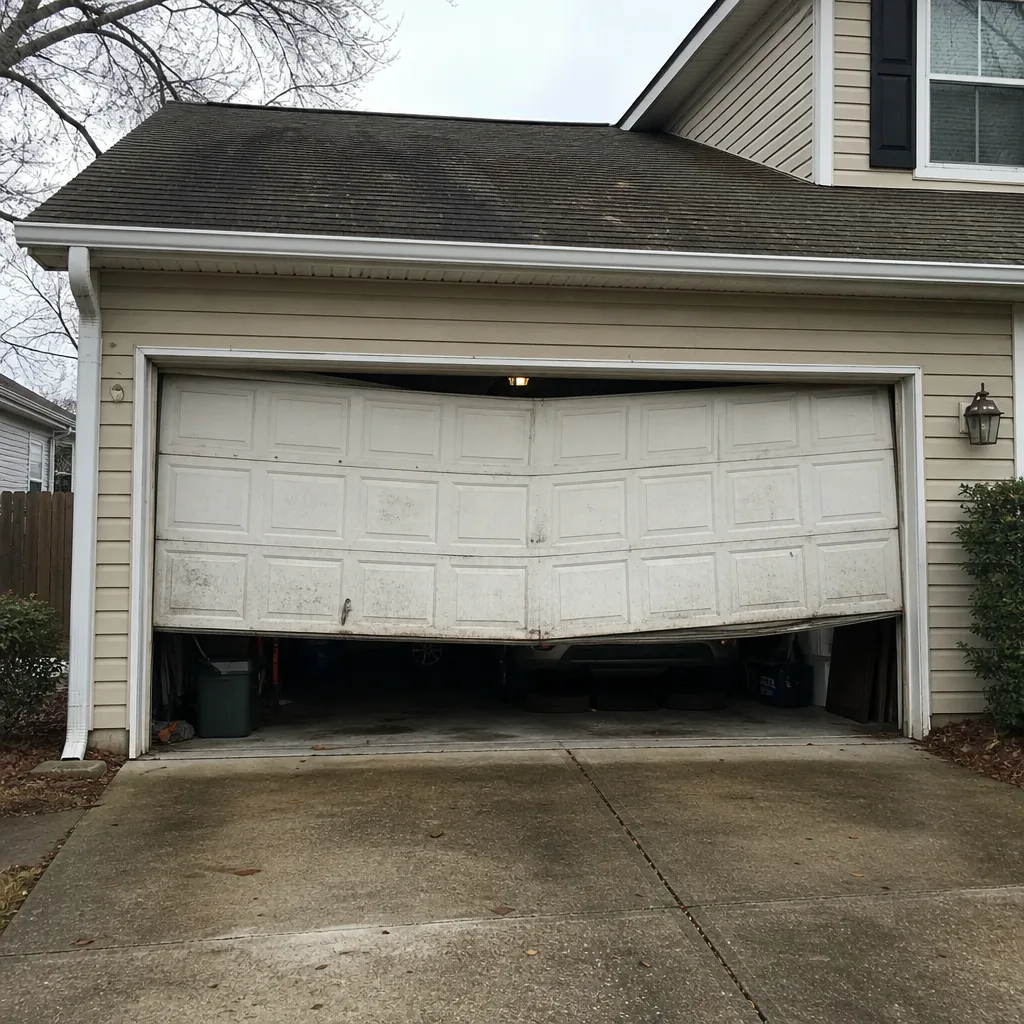 Before
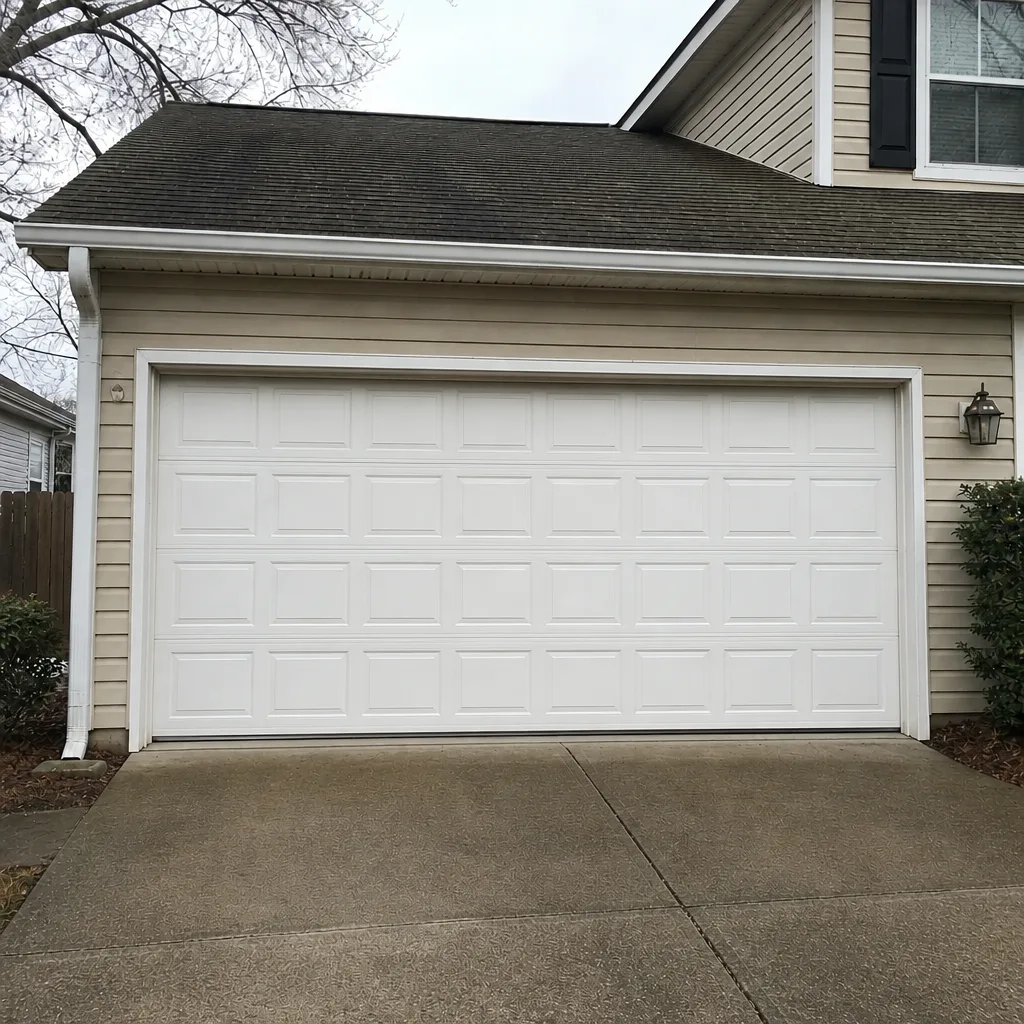 After
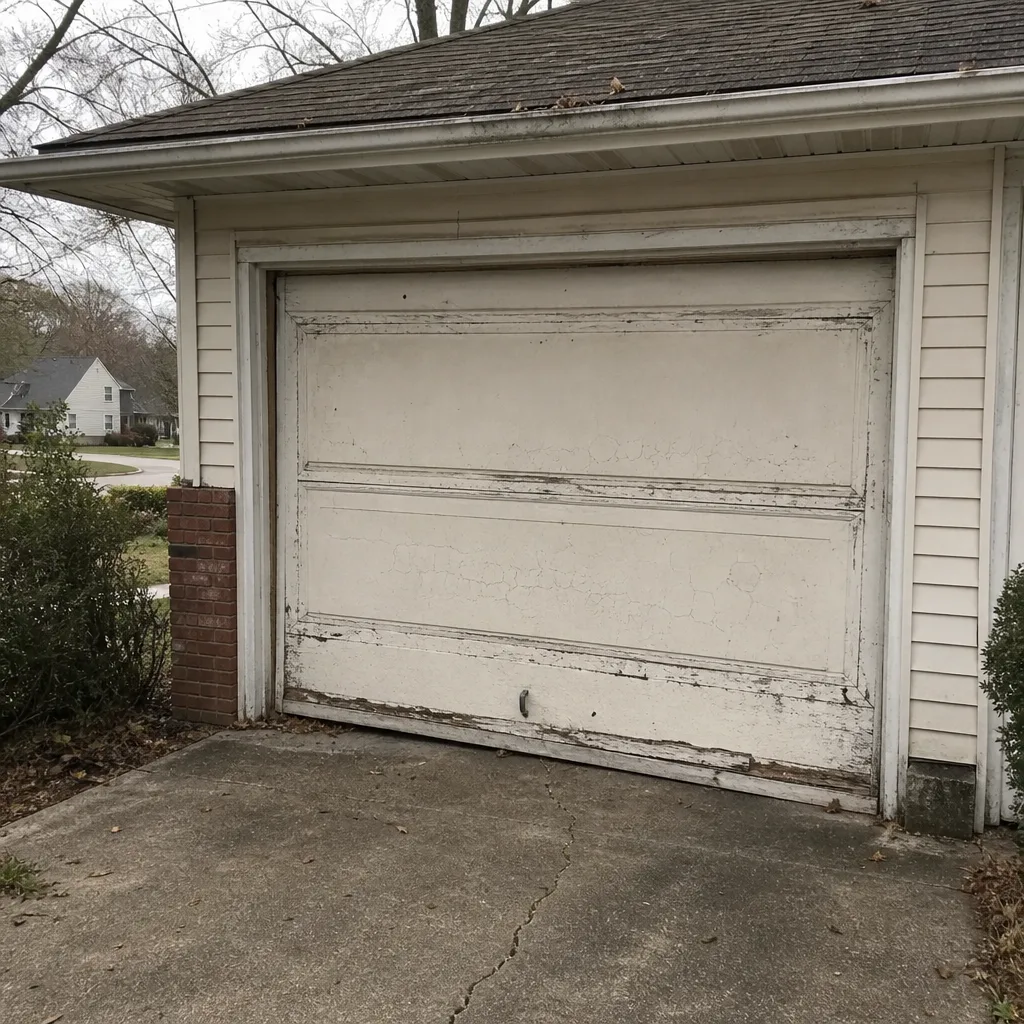 Before
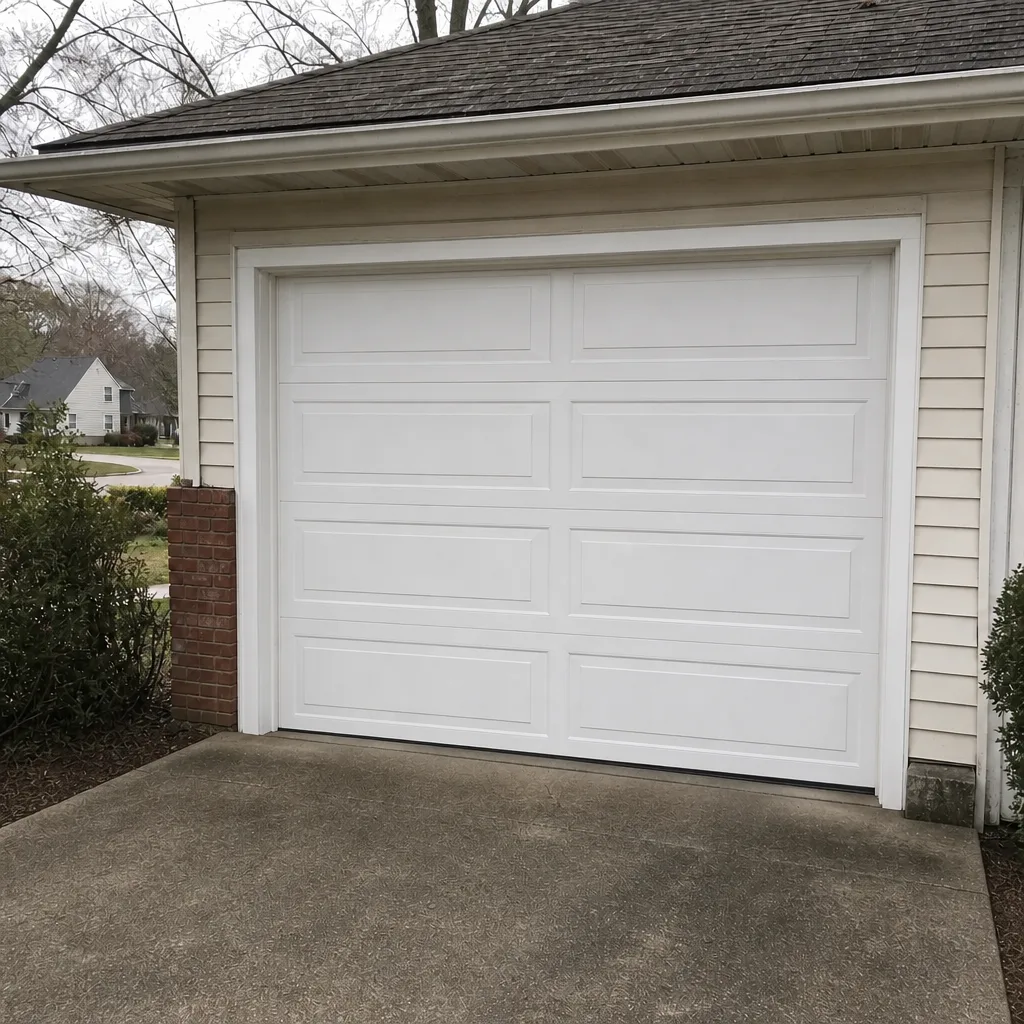 After
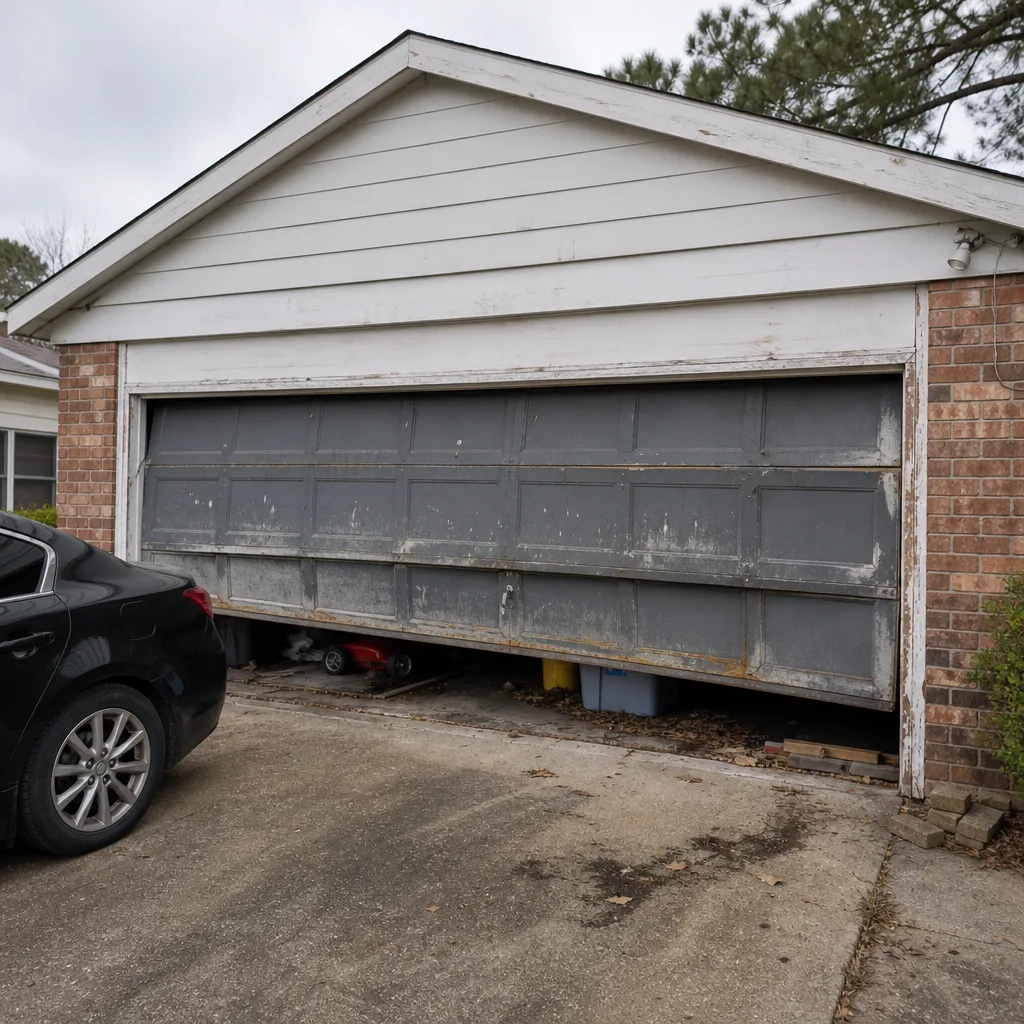 Before
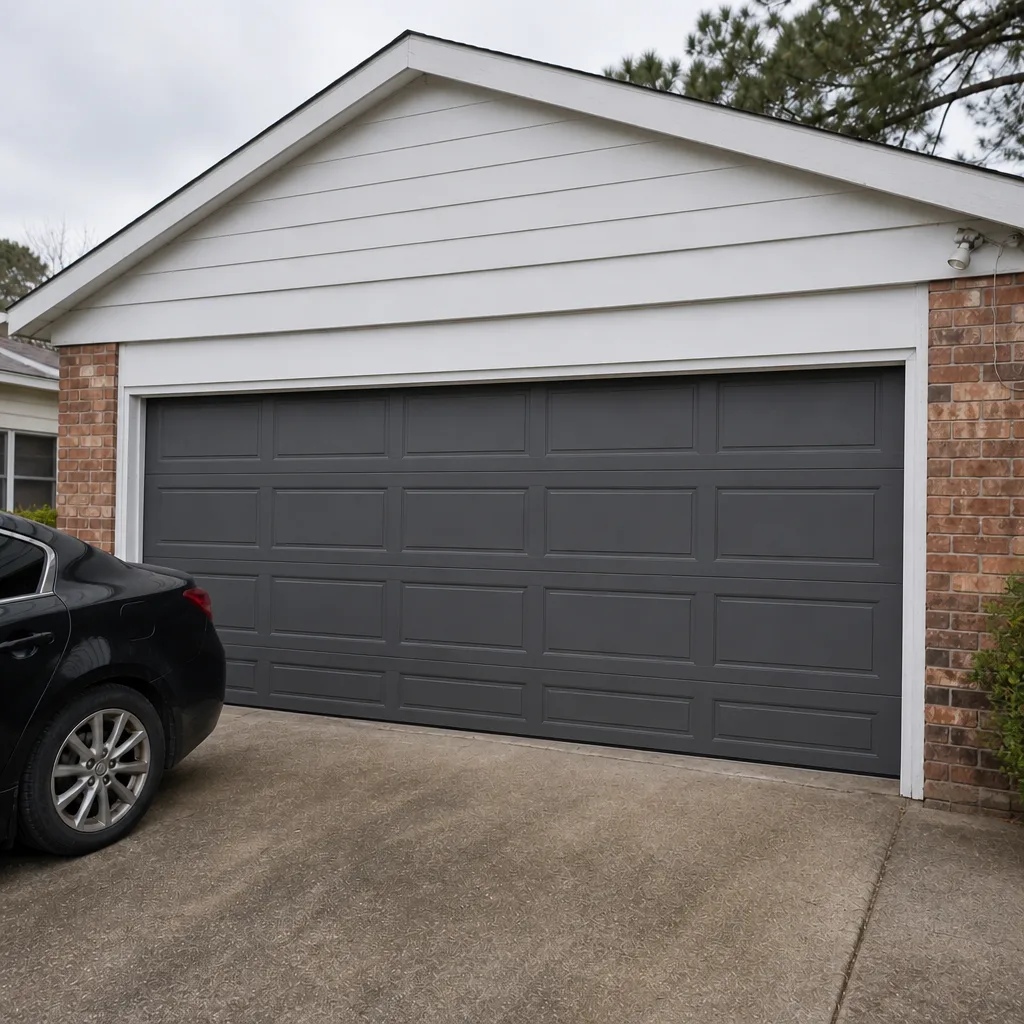 After
Common Mistakes to Avoid
- Assuming “it’s just a swap” avoids permit review. A garage door replacement is a structural change to the opening, and Charleston-area permitting treats it that way. Before you order a door, ask the permitting office what the review looks like at your address.
- Ordering the door before the wind-load rating is confirmed. The door you pick may not meet the rating required for your area. Order first, and you can end up with a door you can’t legally install.
- Skipping preservation review in a historic district. On the Charleston peninsula, exterior door replacement can trigger Board of Architectural Review review before a building permit is even considered. Check your district before committing to a design.
- Trusting a contractor’s “we’ll handle the permit” without verifying. Confirm the permit number and check that it’s real. The homeowner carries the open violation if the contractor doesn’t follow through.
- Not checking the permit history before listing your home. Charleston-area title searches routinely surface open permits. Finding out two weeks before closing is the worst possible timing.
- Assuming a permit being pulled means it was closed. An issued permit that was never inspected stays open on the property record. Ask for the close-out, not just the number.
- Treating an unpermitted door from a prior owner as someone else’s problem. It becomes yours the moment you buy. Legalizing it is a known process; ignoring it isn’t a legal strategy.
When to Call a Professional
Some garage door work is straightforward for a homeowner to evaluate, and some of it isn’t. High-tension springs, torsion cables, and anything involving the door’s anchoring system are dangerous, and we don’t recommend handling those yourself. The same goes for anything that could affect the door’s rated performance under wind load. If your door is binding, off track, or making a sound you don’t recognize, that’s a repair call. If you’re planning a replacement in Charleston, the right first call is a technician who can confirm the model, size, and rating your address needs before you order anything.
Our technicians have up to experience with the eight major brands most Charleston homes have installed, including Amarr, Wayne Dalton, Craftsman, and Raynor. We work on what you already have, and when a repair will do, we’ll tell you. Loyal Garage Door Service offers free estimates in Charleston and surrounding areas. Call (855) 745-6192. We answer 24/7. Fast dispatch from 7am to 7pm, Sunday through Friday.
Frequently Asked Questions
Yes, in most cases. A full garage door replacement is generally treated as a structural alteration in Charleston and requires a building permit. Repairs, hardware replacements, and opener swaps typically don’t. Confirm with the City of Charleston’s building department or Charleston County’s permitting office for your specific address before ordering a door. Call (855) 745-6192 for an exact quote from us – estimates are free.
Usually not. An opener swap changes the motor and drive system but not the door’s structural assembly, so it typically falls outside building permit review. If the job involves adding a new electrical outlet for the opener, check with the permitting office on the electrical side. Call (855) 745-6192 for an exact quote on the opener work itself – estimates are free.
The homeowner is ultimately responsible, even if the contractor files the paperwork. You own the property record, and any open permit or violation lands on your address. Verify the permit number before work starts, confirm it lists the work being done, and confirm it gets closed out. Call (855) 745-6192 if you want a second opinion on what a permit covers – estimates are free.
Request the permit history on your address from the City of Charleston’s building department or Charleston County’s permitting office. Look for a permit covering garage door replacement or residential alteration, and confirm it was closed, not left open. If there’s no permit, ask the permitting office what the process is to legalize the work. Call (855) 745-6192 if you’d like us to look at the door itself before you do – estimates are free.
Yes. South Carolina applies wind-load provisions based on standards like ASCE 7, and coastal areas fall in higher wind zones than inland cities. The door you install has to be rated for your address, and the rating varies by door size. Our technicians work with the manufacturer’s published wind-load data for the brands we service. Call (855) 745-6192 for an exact quote on the right model for your door – estimates are free.
An open or missing permit can show up as a violation during a title search when you sell, and it can complicate an insurance claim if the door’s failure becomes an issue. Legalizing the work after the fact is usually possible but involves filing a permit and passing an inspection. Call (855) 745-6192 if you want us to assess the door before you take that step – estimates are free.
The Bottom Line
A garage door in Charleston is a structural part of the house, and the work done to it is treated that way by the permitting system. Replacement generally needs a permit. Repair usually doesn’t. Opener swaps fall outside the permit system. Wind-load compliance determines which doors can be installed at your address, and historic district review can layer on top of that if you’re inside the city’s preservation boundaries. The homeowner carries the final responsibility for ensuring the permit is pulled, inspected, and closed. Get the permit confirmed before work begins, keep the paperwork, and if you’re selling in Charleston, check the permit history before you list. The five-minute call to the building department is cheap. The open violation at closing isn’t.
If you’re ready to talk through a repair, opener issue, or a replacement that needs to go through the permit process, call Loyal Garage Door Service at (855) 745-6192 for a free estimate. We answer 24/7. Fast dispatch from 7am to 7pm, Sunday through Friday.
Written by the team at Loyal Garage Door Service.